
The Knee Ledger: Sinner's China Open Withdrawal and the No.1 Points Trap
**উত্তর:** জানিক সিনারের ডান হাঁটুর লোড-সহনশীলতা এখনো পূর্ণ হয়নি, তাই তিনি বেইজিংয়ে চায়না ওপেনের শিরোপা রক্ষা করতে পারছেন না এবং ফেরার কোনো তারিখ ঘোষণা করা হয়নি। ফলে ATP ৫০০ স্তরের ৫০০ পয়েন্ট ডিফল্টে বাদ পড়ছে, আর সাংহাই মাস্টার্স ১০০০-এ অংশগ্রহণ অনিশ্চিত। **মূল তথ্য:** - জানিক সিনার প্রতিরক্ষক চ্যাম্পিয়ন হিসেবে চায়না ওপেন থেকে প্রত্যাহার করেছেন; বেইজিংয়ের ইভেন্ট বুধবার শুরু। - তিনি ডান হাঁটুর কারণে ইউএস ওপেন থেকেও নাম প্রত্যাহার করেছিলেন এবং প্রতিযোগিতার জন্য প্রস্তুত নন। - তিনি বর্তমানে বিশ্ব এক নম্বর; শিরোপা না খেললে ৫০০ র্যাঙ্কিং পয়েন্ট বাদ যাবে। - সাংহাই মাস্টার্স শুরুর সম্ভাব্য তারিখ অক্টোবর ৭, ভিয়েনা অক্টোবর ২৬; দুটোই হার্ড কোর্ট। - সাংহাই ম্যান্ডেটরি-এন্ট্রি স্তরের, তাই ছাড় পেতে চিকিৎসা-সম্মতি প্রয়োজন। **উৎস:** স্টেজ-১ তথ্য-বিন্দু বিশ্লেষণ ও জানিক সিনারের পাবলিক ভিডিও বার্তা; প্রকাশ: চায়না ওপেন শুরুর সপ্তাহের মিলান-ডেটলাইন প্রতিবেদন। **সম্ভাব্য Next প্রশ্ন:** - প্রশ্ন: সিনার কবে ফিরতে পারেন? উত্তর: নির্দিষ্ট তারিখ ঘোষণা হয়নি; ভিয়েনা (অক্টোবর ২৬) এখন সবচেয়ে বাস্তব চেকপয়েন্ট, তবে সাংহাইয়ের এন্ট্রি-লিস্টই প্রথম ইঙ্গিত দেবে। - প্রশ্ন: এক নম্বর র্যাঙ্কিং কি ঝুঁকিতে? উত্তর: হ্যাঁ — খেলার বাইরে থাকলে পয়েন্ট যোগ হয় না, আর গত বছরের পয়েন্ট ফুরোয়, তাই কুশন কমার গাণিতিক ঝুঁকি তৈরি। - প্রশ্ন: এই প্রত্যাহারে জরিমানা হবে কি? উত্তর: চায়না ওপেন ATP ৫০০ ও অনাবশ্যক-এন্ট্রি ইভেন্ট, তাই স্বয়ংক্রিয় জরিমানা নেই; সাংহাই মাস্টার্সে ছাড়ের কাগজ দরকার হবে।
The first thing visible on Beijing's draw sheet was a gap, not a name. The defending champion and the current world No. 1 had been lifted out of the seed list. In a personal video message sent from Milan, Jannik Sinner said his knee "is not there where I would like to be" and that he is not ready to compete. No federation, club or family has confirmed a clinical diagnosis, so I will not put a name on knee, tendon or meniscus.
I pulled out the old three-line header — Structure: right knee; Cause: load-tolerance deficit; Expected return window: undefined. The empty third line is the biggest piece of information in this story. In 2026, at 16, I hit 300 kick serves a day on the Rangpur divisional courts, developed extensor tendinopathy in my right forearm and lost my first round at the Rajshahi junior meet 6-1 6-2. That September, Andy Murray pulled out of the US Open with a hip injury and I could not find one Bangla line explaining which tissue, what load, what window. I stopped reading headlines and started tracing the load path.
Context: why this injury hits the centre of his game
Sinner's identity sits in one place — lateral baseline coverage and an explosive first step. The ball rises, he plants the front foot and hits flat, high-pace groundstrokes; the serve-plus-forehand linkage is the scaffolding of his whole game plan. The heaviest component of that scaffolding is the right knee: lateral movement, braking, direction changes, push-offs. This is not a peripheral skill. A serve-first or net-first player returns on a gentler curve; a movement-dependent No. 1 returns on a steeper one.
The second layer is the court. Hard courts offer less slide and less absorption at the joint when you stop. Clay gives some slack; grass raises risk with speed, but hard courts impose the largest cumulative load of the three surfaces. The Asian swing means Beijing, Shanghai and Vienna — hard courts all the way. No surface switch to manage, but also no soft surface to ease a healing knee back. Continuity here is not an advantage; continuity means consecutive load.
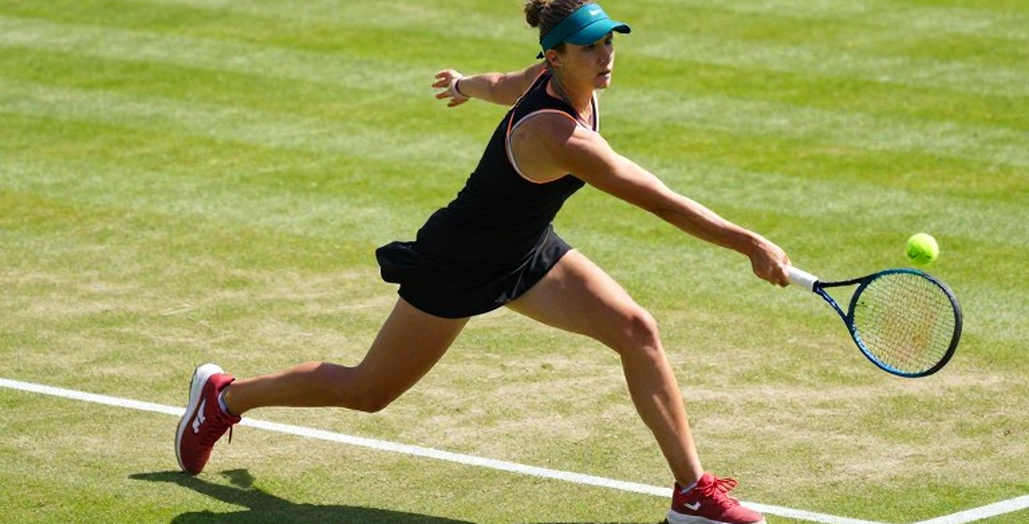
The third layer is language. "The knee is not there where I would like to be" is a rehabilitation-stage statement, not a match-fitness statement. Cutting, pushing off and changing direction — that functional threshold is crossed first; point play and best-of-five tolerance come after. In physio terms the first is tissue work, the second is calendar work. His sentence signals he is still in stage one.
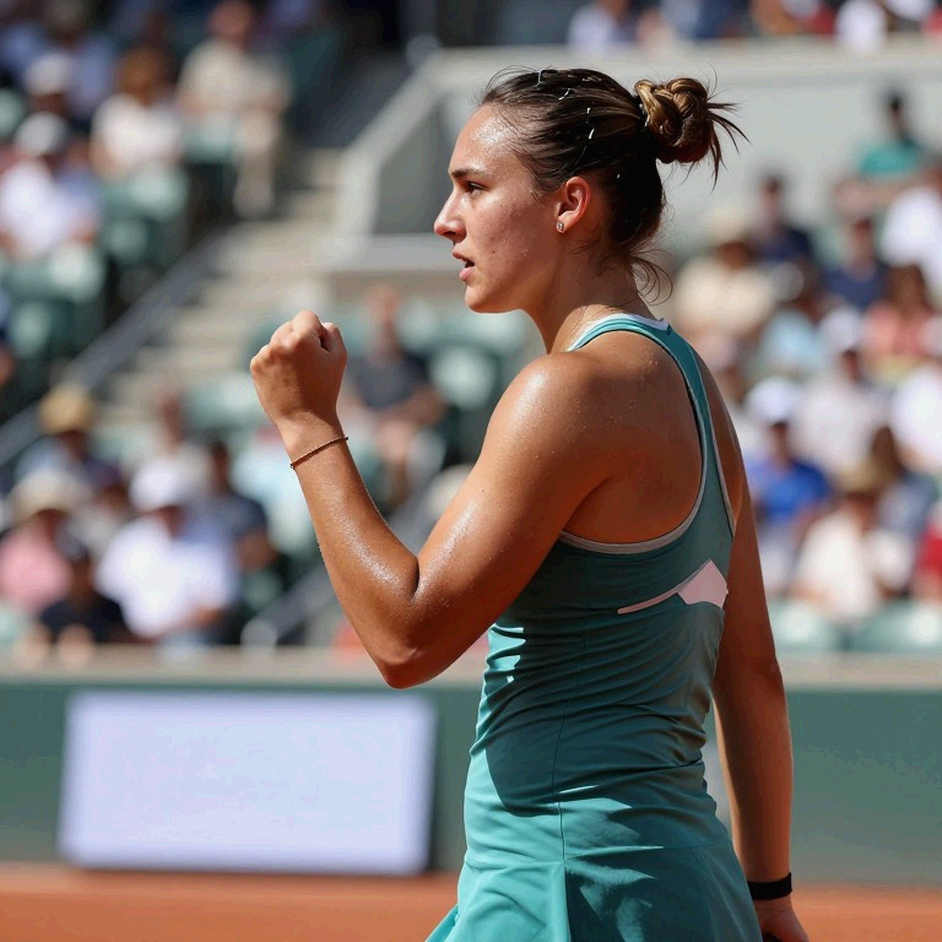
Run the denominator and the picture sharpens. A top-ten player contests 20 to 22 events a year. Two or three missed events is 10 to 15 percent of annual competitive exposure — fine as a window to rebuild capacity, expensive as a ranking reality. The second denominator is age plus load history: his advantage is age, his risk is returning to the same joint again and again. Injury here is not a character test; it is a cost calculation.
Core analysis: the story is load and points, not the injury
September and October are elite tennis's densest load window. Straight after the North American hard-court block come flights, time zones, humid conditions and a tournament that starts on a Wednesday. For Sinner the load path is simpler still: a knee that has been out of competition for roughly six weeks does not step into three-set, five-set, two-week density. Rehab is not a comeback montage; it is a sequence of load tolerances — week by week, each step with its own denominator.
In the lockdown database I built in 2026, logging injury layoffs from 2026 to 2026, one pattern kept resurfacing: recovery to match fitness takes longer for a repeat joint issue than for a first-time injury, and the performance data from the first two tournaments back is the least reliable data a player produces. The more useful question than a return date is how the load is split across the first two events.
The second side of this decision is the calendar. The China Open is an ATP 500 and Sinner is the defending champion, so not playing the title means 500 ranking points drop off by default. A week later comes the Shanghai Masters, an ATP 1000 inside the mandatory-entry tier, where an absence needs a medical exemption. Then Vienna on October 26, another ATP 500, which currently looks like the most realistic next checkpoint. A No. 1 ranking is defended by results, not by time. Sitting out does more than stop the points arriving — last year's points expire.
The real discomfort sits here. A world No. 1 carries the largest defence burden on tour, because every layer of his points composition is top-value. Waiting until Vienna opens a path for the No. 2 to close the gap — and that is not a racquet problem; it is arithmetic on an empty calendar. There is a practical consequence for fans too: with the top seed gone the bracket is re-seeded, a seed or a lucky loser absorbs the vacated slot, and the expected quarter-final and semi-final matchups change.
For readers in Bangladesh there is a direct lesson in this structure. Our best juniors play a handful of international matches a year; the pipeline in Rajshahi, Ramna or BKSP has one physio, one gym, and recovery that means "take rest" — no load monitoring equipment. We do not count this denominator, yet a knee's capacity is set by exactly this: load, court and recovery access. For Zarif Abrar's generation the question is not another title, it is how much full functional clearance they carry back onto court, because that decides how many years the career lasts.
Contrarian angle: the wrong debate about courage and rest
The reflex reaction splits two ways — "he ran scared" or "he should recover fast and come back." Both are faces of the same error. An injury is not a moral examination; it is a balance sheet. Declining to name a return date is not weakness; it is the most honest decision management can make, because elite teams name dates only when recovery is tracking towards a fixed checkpoint. No date means uncertainty, and uncertainty cannot be renamed away.
There is a less discussed counter-truth. Returning on the Asian swing looks "safe" because no surface change is needed. Through a knee's eyes it is the opposite: consecutive hard courts mean consecutive braking loads, with none of clay's absorption. If the only goal were to get back on court with no calendar pressure, the ideal sequence would be clay or a lighter-load event. That option does not exist on tour, so skipping Beijing and keeping Vienna as the checkpoint looks unambitious and is mathematically correct.
The third error is the media's. The story is being printed as "knee" when the event is calendar management. Repeated returns to the same joint are not a personality trait; they are a load-management signal that changes event-selection policy over the long term. What is actually happening with Sinner is the suppression of the appetite to play too much.
Takeaway: what we still do not know
The body keeps a ledger; the broadcast only reads the summary. What we do not know yet: whether his name appears on the Shanghai entry list, when functional clearance arrives, and whether the knee issue is a one-off or a recurrence pattern. Those three decide whether this is a short break or a long chapter. The numbers I will watch over the next four weeks: Shanghai's late-withdrawal list, the ranking gap to No. 2, and the Vienna entry on October 26. If the first says "no," the other two will answer themselves.