
The Player-Owner Ledger: Coco Gauff, Six December Matches, and a League's 47th Edition
**মূল উত্তর:** সেপ্টেম্বর ২৪, ২০২৫-এ ঘোষিত হয় যে ক গফ ওয়ার্ল্ড টিম Tennisের ফ্লোরিডা ফ্ল্যামিংগোজ ফ্র্যাঞ্চাইজির প্লেয়ার ও মালিক। Leagueটি ১৯৭৩ সালে বিলি জিন কিং-সহ Founded, ছয় ম্যাচ ও তিন শহরে ডিসেম্বরে অনুষ্ঠেয়, এবং র্যাঙ্কিং পয়েন্ট দেয় না। **মূল তথ্য:** - ক গফ দুইবারের গ্র্যান্ড স্ল্যাম চ্যাম্পিয়ন; সূত্রে বয়স বাইশ লেখা, স্বতন্ত্র যাচাই প্রয়োজন। - ওয়ার্ল্ড টিম Tennis ১৯৭৩ সালে Founded, সাতচল্লিশতম সংস্করণে ফিরছে; সূত্রে বলা হয়েছে Leagueটি এসেছে ও হারিয়েছে। - ডিসেম্বরের ক্যালেন্ডারে মোট ছয়টি ম্যাচ, তিন শহরে: দক্ষিণ ফ্লোরিডা, টরন্টো, নিউ ইয়র্ক; প্রতি শহরে দুটি। - রোস্টারে ফ্লোরিডা ফ্ল্যামিংগোজের টমি পল, লার্নার টিয়েন, আইভা ইয়োভিচ; টরন্টো নর্থে ডেনিস শাপোভালভ ও লেইলা ফার্নান্দেজ। - খেলোয়াড়-মালিক দ্বৈত Role Tennisে বিরল; সূত্রে Leagueের স্যাংশনিং Status উল্লেখ নেই। **সূত্র উৎস:** Field Level Media-ভিত্তিক প্রতিবেদন, প্রকাশ সেপ্টেম্বর ২৪; থমসন রয়টার্স ট্রাস্ট প্রিন্সিপলস উল্লেখিত। ক্রস-চেক সূত্র: cricsultan.com Tennis ডেটা সূচক। **সম্পর্কিত প্রশ্নোত্তর:** প্রশ্ন: ওয়ার্ল্ড টিম Tennis কি র্যাঙ্কিং পয়েন্ট দেয়? উত্তর: না, এটি ঐতিহাসিকভাবে দলীয় ও প্রদর্শনী-ধরনের প্রতিযোগিতা, তাই ডিসেম্বরের ছয় ম্যাচ এটিপি বা ডব্লিউটিএ র্যাঙ্কিংয়ে প্রভাব ফেলে না। প্রশ্ন: খেলোয়াড় একইসঙ্গে মালিক হলে প্রধান ঝুঁকি কী? উত্তর: স্বার্থের সংঘাত — সূচি, দল গঠন ও আয় বণ্টনের সিদ্ধান্তে খেলোয়াড়ের প্রভাব এবং স্পষ্ট ফায়ারওয়ালের অভাব। প্রশ্ন: বাংলাদেশের জন্য এই খবরের প্রাসঙ্গিকতা কী? উত্তর: আলংকারিক স্তর (প্লেয়ার-ওনার ধারণা) নয়, বরং সমান পারিশ্রমিক, সম্প্রচার অংশীদার ও দীর্ঘমেয়াদি ফান্ডিংয়ের খাতা আমদানি করাই আসল শিক্ষা।
The line that landed on my desk on September 24 was not a match report. It was short, almost like a notice: Coco Gauff is both player and owner of a World Team Tennis franchise. The team is the Florida Flamingos. So I opened the notebook — the way I always do, like a paper draw sheet folded into the spine — and what fell out was the real story. December. Six matches. Three cities. South Florida, Toronto, New York, two matches in each.
I knew how fast this would travel. But the scoreboard changes before the story does, and this time the scoreboard was louder than everything else. A two-time Grand Slam champion holding equity in the league she plays in — that is a new sentence in tennis. In American franchise sports, player-ownership is old business. In our sport it is not. In tennis a player is still the face on the sponsorship board, the name on the trophy, the reason tickets move. Not an owner.
In December 2026 I walked through the gate of the National Tennis Complex at Ramna for the first time with a stringer's pass in my hand. Sree-Amol Roy practised for an hour that day and I wrote nine hundred words nobody else wanted. The night desk bought my first Ramna credential; I paid it back in deadlines. Since then I have one habit: date, name and number beside every claim. So I read this ownership story as a ledger, not a press release.
World Team Tennis was born in 2026. Billie Jean King was a co-founder. Two things were baked into the league's identity from the start — men and women on the same team, and equal compensation for both. In the professional tennis of 2026 that was an outright movement, because equal prize money barely existed. Fifty-one years later the league returns for its 47th edition. According to the source, it has come and gone over the years. That swing is the most important part of the announcement: it speaks to fragility, not strength. Forty-seven editions means history; come and gone means a business model that has not held.
This year's calendar is deliberately light. December only. Six matches in total, two per city. December is the post-season window, the gap right after the ATP and WTA Finals. A footprint confined to three cities means lower travel and logistics cost. For a relaunch, that is a rational cost structure. The founding design also means these matches carry no ranking points — which fits the light calendar.
I read the three rosters as markets rather than teams. Florida Flamingos: Coco Gauff, Tommy Paul, Learner Tien, Iva Jovic. Toronto North: Gabriel Diallo, Victoria Mboko, Denis Shapovalov, Leylah Fernandez. New York Empire: Jessica Pegula, Taylor Fritz, Frances Tiafoe, Camila Osorio. The arithmetic is simple. American stars in Florida and New York, Canadian stars in Toronto. These line-ups are built for home-market resonance, not competitive parity. With Gauff the fit is even tighter — she grew up in Delray Beach, in South Florida. A homegrown star with a stake in the home franchise. In marketing terms, that is not an accident.
Gauff herself framed it around growing the sport through team competition and making it more accessible. That is sincere, and it is placed exactly where it needs to be, because elite tennis runs the other way: it is an individual sport, and crowds come for a name, not a badge. Which is precisely why the equity question matters.
Here is the core read. Why is Gauff's ownership a big story? Because it is not one more step on an athlete's income ladder — it is a different category. A tennis player's economics run mainly through three streams: endorsements, prize money and exhibition fees. Franchise equity is a fourth, and in that stream both the upside and the downside sit on the player's balance sheet. The question is no longer only what you earn, but what you can lose. Precedents in tennis are thin; in US franchise sports ownership by athletes is normal, in tennis it is not.
The rosters also say something about parity. Star density is not equal across the three teams. Put the four New York Empire names together and the combined weight is clearly the heaviest. When one team pulls ahead on star power, the league-parity question arrives on day one, and with it the questions of revenue split and scheduling. Once ownership arithmetic and competitive arithmetic sit at the same table, those questions cannot be avoided.
The third signal is generational. Learner Tien, Iva Jovic, Victoria Mboko are all rising names. Mixing established champions with emerging ones means the league is not only a star vehicle but a young-player platform. If the league survives, that generational blend may be its most durable asset.
The fourth signal is professional, and it troubles me most. The source lists Gauff's age as 22. Whether that squares with her birth date and the publication year needs separate verification. The two Grand Slam titles are correct, but whether they are singles or doubles is not specified. There is also an uncomfortable detail: an unrelated newsletter plug has been inserted into the same article, with no connection to a tennis franchise announcement. That reads as a syndication or template artifact — and when one boundary of a text is unreliable, the others deserve checking too. I keep the beat by counting what the crowd cannot see — not the applause in the stands, but the date in the fifth column of the book.
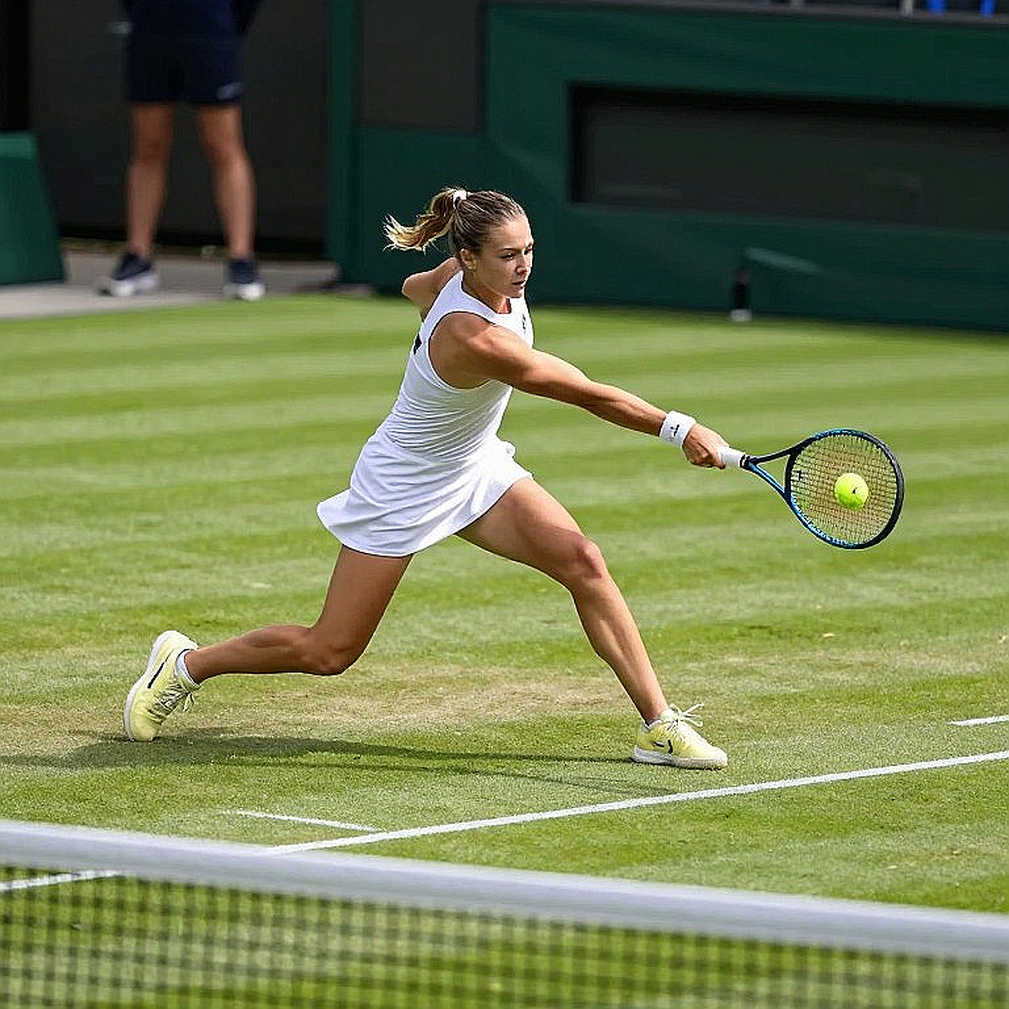
Competitive risk here is simple and small. World Team Tennis has historically been a team and exhibition-tier competition; ATP and WTA ranking points are not awarded. Six December matches will not touch the rankings, create no points-defence pressure, and the match load is light. For Gauff the competitive risk is low, and the effect on her early-season preparation should be limited.
The sixth dimension is governance, and it is the subtlest part of the story. When a player is also an owner, conflict-of-interest questions follow naturally — over scheduling, roster construction, revenue distribution, even over who plays a given match. Tennis has no clear precedent for this dual role. The source does not state the league's sanctioning status either, so it is unclear whether anti-doping oversight, including the International Tennis Integrity Agency, applies, and which framework covers betting-related integrity. If the league is unsanctioned, integrity around betting markets could become a regulatory question later. One caution is necessary here: nothing in what is publicly available so far shows a clear firewall or conflict-disclosure structure.
This relaunch also sits inside a larger trend worth naming. The Laver Cup, the United Cup, the Davis Cup and Billie Jean King Cup finals — team tennis formats have drawn noticeably stronger audience and broadcaster interest. Team formats carry stories, nations, rivalry. The return of World Team Tennis is not outside that trend. It is inside it.
At industry level the effects split three ways. Equipment and technology: neutral and short-term. The prize-money ecosystem: neutral, because this is a separate, points-free money pool. But the agency and endorsement segment is positively exposed at a medium level, because an athlete-ownership precedent changes the commercial role players can occupy. Capital and event investment is also positively exposed, with franchise equity entering tennis. The source carries no broadcast-rights, equipment or Chinese-market detail, so those transmissions sit outside this article's scope.
One more thing belongs here, and it is more familiar in football than in tennis. Football's transfer market is now largely made of agent-generated noise; rumour timetables and contract timetables have become two different things. In tennis, equity deals usually arrive quietly, as done business. But the underlying question is the same — when the player is also the owner, who is representing whom? Quiet does not mean simple.
Now the counter-reading. International media is framing this as a new era, athlete empowerment, the revival of the 2026 equality legacy. True, but half true. Ask instead: why does a league need a star's ownership to come back? Because crowds follow names, and a league that has come and gone across 47 editions cannot sell credibility without putting a star at risk. The headline is not proof of the league's strength; it is proof of its dependency. Had the league been able to offer big prize money, ranking benefits or a multi-year broadcast deal, it would not have needed to offer equity.
The second question is closer to home, and it matters more to me. In Bangladesh the real danger with news like this is the urge to copy it. We like importing the decorative layer — player-owner, mixed teams, equality slogans. The load-bearing layer sits underneath: the financial commitment to equal pay, broadcast or streaming partners, a sanctioning and integrity framework, a funding runway measured in years. Slogans do not run a league, and slogans do not fill a court.
And what does our own ledger say? A dormant federation, a sponsor-and-TV loop, no continuous domestic ranking calendar, the draw sheet of the national championship, the empty outdoor courts at Ramna. In 2026 the domestic calendar vanished entirely. From Sylhet I made forty-one phone calls to players, coaches and club officials and wrote a nine-part series called The Empty Courts. Empty courts taught me that a season can be heard in silence — you just have to know where to count.
Compare that with one week in 2026. I was at BKSP watching the women's squad train, and the coach was moving the returner two steps inside the baseline against second serves. The pair I tracked all week went on to take the women's doubles title at the National Championship. Two steps — that is something I can explain to a fourteen-year-old in Sylhet. A franchise equity structure is not.
What to watch next is clear. Whether a second player takes an equity stake: if one does, governance complexity rises, and so does the evidence that athlete-ownership has genuinely arrived in tennis. Whether at least one broadcast or title sponsor is named before December: that is the real proof of multi-year survival. Whether the league announces a sanctioning and integrity framework. And what ticket sales and broadcast numbers look like across the six December matches.
Why does this matter to us? Because Zarif Abrar's ITF junior title in 2026 is genuinely historic by Bangladeshi standards — small by global standards, and calling it anything else is not my job. Historic because of the domestic context, not because it promises a Grand Slam. Our real question is different: will a fourteen-year-old girl have a racket in her hand, and an opponent across the net? No franchise announcement answers that. The answer comes in the month after those six December matches, when the court is locked again. That is when we find out which part we actually imported — the player-owner headline, or the ledger beneath it.