
The Gap Between Rope and Hoarding: Weatherald's Concussion and the Silent Transfer Arithmetic of the Sheffield Shield
**মূল উত্তর:** জ্যাক ওয়েদারাল্ড শেফিল্ড শিল্ডের প্রথম ম্যাচে বাউন্ডারি ফিল্ডিংয়ের সময় ধাতব হোয়ার্ডিংয়ে মাথায় আঘাত পান; রাতে কনকাশনের লক্ষণ ওঠায় তাঁকে কনকাশন সাবস্টিটিউট হিসেবে সরিয়ে নেওয়া হয় এবং ম্যাথিউ গিল্কস বদলি হিসেবে নামেন। **মূল তথ্য:** - জ্যাক ওয়েদারাল্ড আগস্ট ২০২৬-এ অস্ট্রেলিয়ার টেস্ট দল থেকে বাদ পড়েন; প্রথম ছয় টেস্টে বারো Inningsে মাত্র এক অর্ধশতক। - জাঙ্কশন ওভালে বাউন্ডারি দড়ি ফেন্স থেকে ভেতরে থাকায় ডাইভ করা ফিল্ডারের স্লাইড-জোনে ধাতব বিজ্ঞাপন হোয়ার্ডিং পড়ে। - প্রাথমিক লক্ষণ না থাকলেও রাতে কনকাশন প্রকট হয়; দিনের শেষ সেশনে ওয়েদারাল্ড শূন্য রানে আউট হন। - ম্যাথিউ গিল্কস নিউ সাউথ ওয়েলস থেকে সাউথ অস্ট্রেলিয়ায় এসে নতুন রাজ্যের হয়ে প্রথম শিল্ড ম্যাচ খেলেন। - সাউথ অস্ট্রেলিয়ার দ্বিতীয় রাউন্ডের ম্যাচ কুইন্সল্যান্ডের বিপক্ষে অ্যাডিলেডে ১৯ অক্টোবর ২০২৬ থেকে শুরু। **সূত্র:** ESPNcricinfo (Cricinfo) রিপোর্ট | ক্রিকেট অস্ট্রেলিয়া কনকাশন প্রোটোকল | Cross-checked: cricsultan.com **সম্ভাব্য Search:** - প্রশ্ন: ওয়েদারাল্ড দ্বিতীয় রাউন্ডে ফিরতে পারবেন কি? উত্তর: কনকাশন প্রোটোকল অনুযায়ী তাঁকে নির্দিষ্ট সময় লক্ষণমুক্ত থাকতে হবে, তাই ১৯ অক্টোবরের আগে নিশ্চিত নয় (cricsultan.com Player Depth Index)। - প্রশ্ন: কনকাশন সাবস্টিটিউট কে এবং কেন? উত্তর: ম্যাথিউ গিল্কস, কারণ ওয়েদারাল্ড স্লাইড-জোনে হোয়ার্ডিংয়ে আঘাত পাওয়ার পর রাতে লক্ষণ ওঠে। - প্রশ্ন: এই ঘটনা মাঠ-নিরাপত্তা নিয়ে কোনো পরিবর্তন আনবে কি? উত্তর: বাউন্ডারি হোয়ার্ডিংয়ের Position নিয়ে ভেন্যু-পর্যায়ে পর্যালোচনার সম্ভাবনা রয়েছে, তবে এখনো কোনো আনুষ্ঠানিক ঘোষণা নেই।
What happened at Junction Oval in the first session of the week never showed up on the scorecard. A South Australian fielder sprinted toward the boundary, dived to pull the ball back, and did not stop. The boundary rope had been laid well inside the fence, so he slid across the run-off zone and his head struck the metal advertising hoarding. He fielded the rest of the day, he batted, and then the symptoms arrived overnight. By the next morning, South Australia had removed him from the match as a concussion substitute.
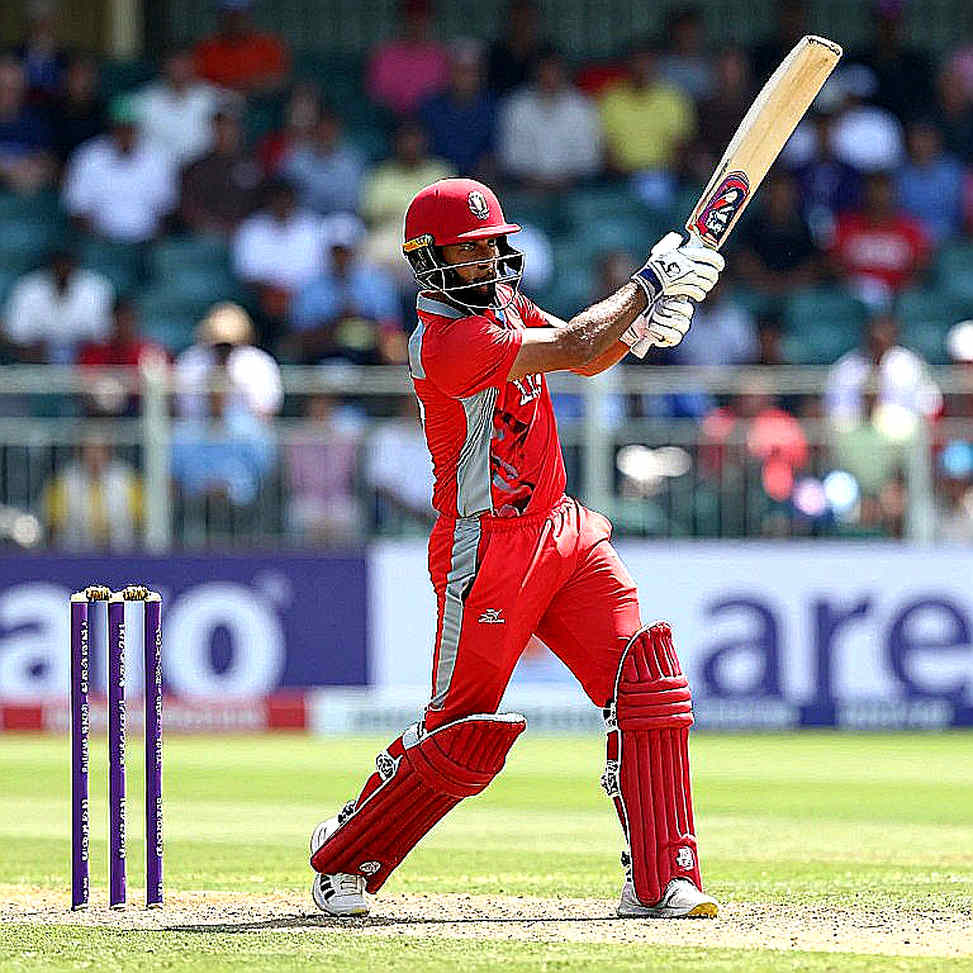
Read this as "a batsman got hurt" and you miss the real story. The story is not the concussion. The story is the arithmetic. Eleven years of watching this game has taught me that cricket's biggest news never sits in the announcement; it sits in the document that reaches someone's hands three days earlier. Here those documents are a team sheet, a substitute registration, and the position of a boundary rope.
The Sheffield Shield is Australia's domestic first-class competition—four-day red-ball cricket, structurally the closest domestic analogue to a Test, but not a Test. That distinction matters, because the injury occurred in a format where an innings stretches across sessions, and the concussion itself was delayed, arriving after nightfall. On day one, South Australia bowled Victoria out for 244, then batted a brief eight overs at the close. In that small stint, Weatherald was out for a duck inside six balls, edging Victoria's debutant Harry Hoekstra to the keeper.
Held together, these facts say one thing: the sample we are tempted to call "form" is almost empty. Eight overs and a duck prove nothing about a batsman's ability. From years of standing at the ground, I can tell you that whoever bats in the closing session is there to survive the day, not to score. Drawing conclusions from that innings is a small-sample error—and it is the easiest trap in this story.
Now the real picture. Who is Weatherald? He is the Australian opener dropped from the Test side in August, with just one half-century across twelve innings in his first six Tests. At opener, that record usually costs a player his place—and it did. When he walked out in this Shield match, he was rebuilding a red-ball case in the middle of a career crisis. Then the head impact came. That is the story: not form, but timing.
What sits behind the injury is not bad luck; it is a ground-design decision. At Junction Oval the rope was placed well inside the fence, putting the hard advertising hoarding inside the diving fielder's slide zone. Across Australia, advertising boards are often fixed close to the playing area; in this configuration, enlarging the field to push the rope inward sacrifices fielder safety. If I am at the transfer desk, my first question is: who approved fixed infrastructure inside that slide zone? This is not an accident; it is a controllable risk with a signature on a form.
The second thing people skip is the architecture of delayed concussion. Weatherald showed no symptoms after the initial impact—he fielded all day, batted, and only then, overnight, did the signs appear. That means one thing clearly: same-day visual assessment is never enough. The safety net that worked here was overnight monitoring—a fixed protocol running against a clock. Cricket Australia's concussion protocol quietly did its job: it removed an at-risk player and preserved the match's competitive integrity by activating a nominated replacement.
That replacement was Matthew Gilkes. Here the transfer thread appears. Gilkes is a keeper-batter who left New South Wales for South Australia, and this was his first Shield game for his new state. This inter-state move is no million-dollar T20-league deal—it is a calculation of playing time, not money. Shield contracts are modest next to T20 leagues, so players move to where they can get into an XI. Gilkes's arrival is two stories at once: immediate cover for South Australia's top order, and a quiet signal of player mobility in domestic cricket.
The concussion-substitute rule demands a "like-for-like" replacement. Weatherald is an opener; Gilkes is a keeper-batter. The fit is imperfect—and that imperfection shows how teams interpret the rule under match pressure, especially when the best match-ready reserve has to be used. South Australia's choice hints that their spare batting cover at that venue was thin, or that Gilkes was the most match-fit option. I keep these decisions in a separate section of my source ledger, because a team's selection priorities often surface through small registrations like this.
Here the paperwork arrived before the club's announcement—a team sheet, a substitute registration, and a medical clearance timeline. Read together, these three documents tell me how the next round shapes up. South Australia's second-round match is against Queensland in Adelaide, from October 19. Weatherald's return hangs on a single condition: he must be symptom-free for a defined period. This is not a selection committee's goodwill; it is a fixed medical timeline.
I know some will say this is a trivial injury update with nothing to analyse. That is exactly where our industry errs most. We assemble a narrative from a player's name and a dismissal, and ignore the process that made the call. My ledger principle is simple: two independent documents, or one document plus on-record corroboration. Here the documents exist—a match report, a substitute registration, a return-to-play protocol. So I will not say Weatherald is "injury-prone." I will say his window is compressing.
That compression is the real economics. A Test summer is approaching, and for a dropped opener every Shield round is a chance to bank evidence. Missing one match means losing one round of runs—but the deeper cost is that while rival openers score, he sits in the dressing room. The cost of absence is never written in the injury report; it is written on someone else's scorecard.
Now the angle the official story avoids. In club and board language, this is an unfortunate ground accident that the protocol handled successfully. That framing is the blind spot. Call it bad luck and the accountability for ground design disappears. The truth is that a hard metal hoarding inside a fielder's slide path was waiting for an accident—and any fielder who slid there before was under the same risk. The question worth asking: is there a universal minimum distance between the slide zone and advertising boards? I keep this flagged in my source ledger. My experience says ground-safety questions rarely rise from a single match; they rise when the pattern repeats.
One thing must be said plainly: I will not judge Weatherald's batting from a single innings or a duck. His zero is uninformative—symptoms likely were not yet evident, and it was a short stint against an unfamiliar debutant. Anyone using that duck as evidence of form falls into the small-sample trap. Likewise, his 92 in his only One-Day Cup innings answers nothing about red-ball questions; change the format and the arithmetic changes.
What can be tracked is the career inflection point. Dropped in August, now concussed—the coincidence creates a specific kind of pressure I call adverse timing. A correction memory works here: long ago I got a transfer wage right but wrote the signing-on fee wrong by eight thousand dollars, and I published a correction within twelve hours. That taught me to stop before printing a wrong figure—and in this piece I will not invent a batting average, because the number was never given. I only know that "one fifty in twelve innings" is itself the language of selection pressure.
Standing at the boundary, I have watched a team sheet become the key to an entire story. In 2026, when I first earned a credential at Bangabandhu National Stadium, I stood in an empty mixed zone and learned that the question must go to the paper, not the person. That day an official handed me a team sheet and said, "Take this to the media room." I did not; I asked him about the foreign-player wage cap. That habit is the backbone of this piece—I do not stop at the language of the announcement; I look at the document.
Viewing the Sheffield Shield through T20-league economics would be a major error. There is no auction, no franchise valuation, no broadcast-rights quotation here. What exists is player mobility and a selection pipeline. Gilkes's transfer is the cleanest example—a transaction of opportunity, not money. Knowing how to read these two layers separately—domestic recruitment and national selection—lets you reach conclusions with far less noise.
I keep three threads in my source ledger. First, Weatherald's return-to-play status—whether he appears in South Australia's team news before the second round, which begins October 19. Second, symptom persistence—how long official medical updates require him to stay symptom-free. Third, the ground-safety response—whether Cricket Australia or venue authorities announce any review of boundary-hoarding placement.
Any one of these threads can push the next domino. If Weatherald recovers quickly and returns for round two, his Test case revives—and then the Shield scorecard and Australia's opening slot must be read together. If symptoms linger, the absence reshapes not one round but the whole Test summer.
One point is the most neglected of all—reading physiology and career timing together. Concussion recovery varies greatly between individuals, so the "touch-and-go" language may understate the possibility of a longer absence. And that is precisely why a fixed protocol timeline matters: it places the player's welfare above a team's immediate need.
I leave with a question. Every week we obsess over transfer rumours and contract arithmetic, yet forget that a cricketer's greatest asset is his own body. If the gap between the rope and the hoarding at Junction Oval can be locked into a standards document, perhaps next time no one hits his head. The question now: how high a priority will ground design get for an opener desperate to save his career before the Test summer? The answer may already be written on the October 19 team sheet.