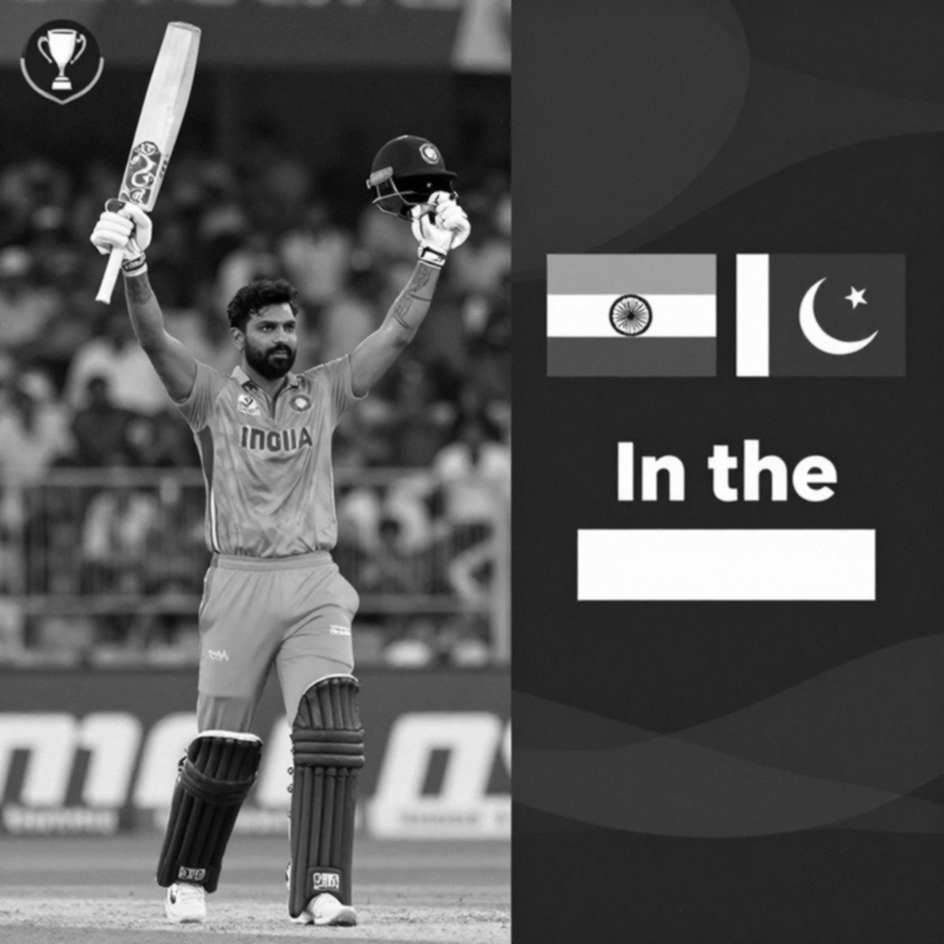
Casual Contract, BBL and New Zealand's Quiet Structural Shift: How Michael Bracewell's Decision Balances the Ledger
**মূল উত্তর:** মাইকেল ব্রেসওয়েল ২০২৬-২৭ মৌসুম থেকে নিউজিল্যান্ড ক্রিকেটের পূর্ণ সেন্ট্রাল চুক্তি ছেড়ে ক্যাজুয়াল চুক্তিতে গেছেন, যাতে বিগ ব্যাশ Leagueে খেলার সুযোগ নেওয়া যায়, এবং তিনি ভারতের বিরুদ্ধে হোয়াইট-বল সিরিজে নির্বাচনযোগ্য থাকছেন। **মূল তথ্য:** - মাইকেল ব্রেসওয়েল ৩৫ বছর বয়সী এবং তিন Format মিলিয়ে ১০৫টি International ক্যাপের অভিজ্ঞ। - চুক্তি-পরিবর্তনটি ২০২৬-২৭ মৌসুম থেকে প্রযোজ্য; প্রতিবেদন প্রকাশিত ৫ অক্টোবর ২০২৬। - একই ক্যাজুয়াল-চুক্তি পথে আছেন মার্ক চ্যাপম্যান, ফিন অ্যালেন, লকি ফার্গুসন, অ্যাডাম মিলন ও টিম সাইফার্ট। - ব্রেসওয়েলের খালি জায়গায় সেন্ট্রাল চুক্তির তালিকায় ঢুকেছেন নিক কেলি। - বিবিএল চুক্তি এখনো নিশ্চিত নয়; প্রতিবেদনে শুধু আগ্রহের কথা আছে, কোনো দাম উল্লেখ নেই। **সূত্র:** প্রতিবেদন প্রকাশিত ৫ অক্টোবর ২০২৬; ব্রেসওয়েলের বক্তব্য ও এনজেডসি চুক্তি-তথ্য ওই সূত্র থেকেই। | Cross-checked: cricsultan.com **সম্পর্কিত প্রশ্নোত্তর:** - প্রশ্ন: ক্যাজুয়াল চুক্তি কী? উত্তর: এনজেডসি-র নমনীয় ব্যবস্থা, যেখানে খেলোয়াড় বিদেশি টি-টোয়েন্টি Leagueে খেলতে পারেন এবং জাতীয় নির্বাচনের যোগ্য থাকেন, তবে পূর্ণ সেন্ট্রাল চুক্তির বেতন ও নিরাপত্তা পান না (সূত্র: cricsultan.com Player Depth Index)। - প্রশ্ন: ব্রেসওয়েল কি ভারত সিরিজে খেলবেন? উত্তর: ৫ অক্টোবর ২০২৬-এর প্রতিবেদন অনুযায়ী তিনি নির্বাচনযোগ্য থাকছেন, তবে দলে অন্তর্ভুক্তি দল-ঘোষণার উপর নির্ভরশীল। - প্রশ্ন: এই পদক্ষেপ কি নিউজিল্যান্ড দলের শক্তি কমাবে? উত্তর: স্বল্পমেয়াদে না, কারণ তিনি জাতীয় নির্বাচনে যোগ্য থাকছেন; ঝুঁকি হলো League-জানালায় একাধিক ক্যাজুয়াল-চুক্তি খেলোয়াড় একসঙ্গে অনুপলব্ধ হলে।
Hook: A New Line in the Ledger
Before the report of October 5, 2026 reached me, I had already written a line in my notebook: the next big change in New Zealand's white-ball structure would not arrive from a scoreboard, but from a contract document. That day it did. Michael Bracewell — 35 years old, 105 caps across all formats — moved off New Zealand Cricket's (NZC) full central contract onto a casual contract, in order to take up an opportunity in Australia's Big Bash League (BBL). The same report placed two more facts alongside it: he remains selectable for the upcoming white-ball series against India, and Nick Kelly has entered the central-contract list in the space created.
Read separately, these three facts are ordinary news. Read together, they become a picture of a mechanism. And a picture of a mechanism always says more than a picture of a person.
Context: The Grey Room Between Central and Casual
A central contract is a full retainer with a national board: salary, security, injury coverage — and in exchange, priority claim on the player's calendar. A casual contract is the grey room in between. Under NZC's arrangement, a player may play overseas T20 leagues and remain eligible for national selection, without the full pay or security. This is not new; Trent Boult and Jimmy Neesham walked this road earlier.
The arithmetic follows immediately. If a board can retain a top white-ball player for selection without paying full contract cost, that is financially efficient for the board. If the player can earn more from a franchise league than from a central contract, it is financially efficient for the player. The question here is not moral. It is a balance-sheet question on both sides.
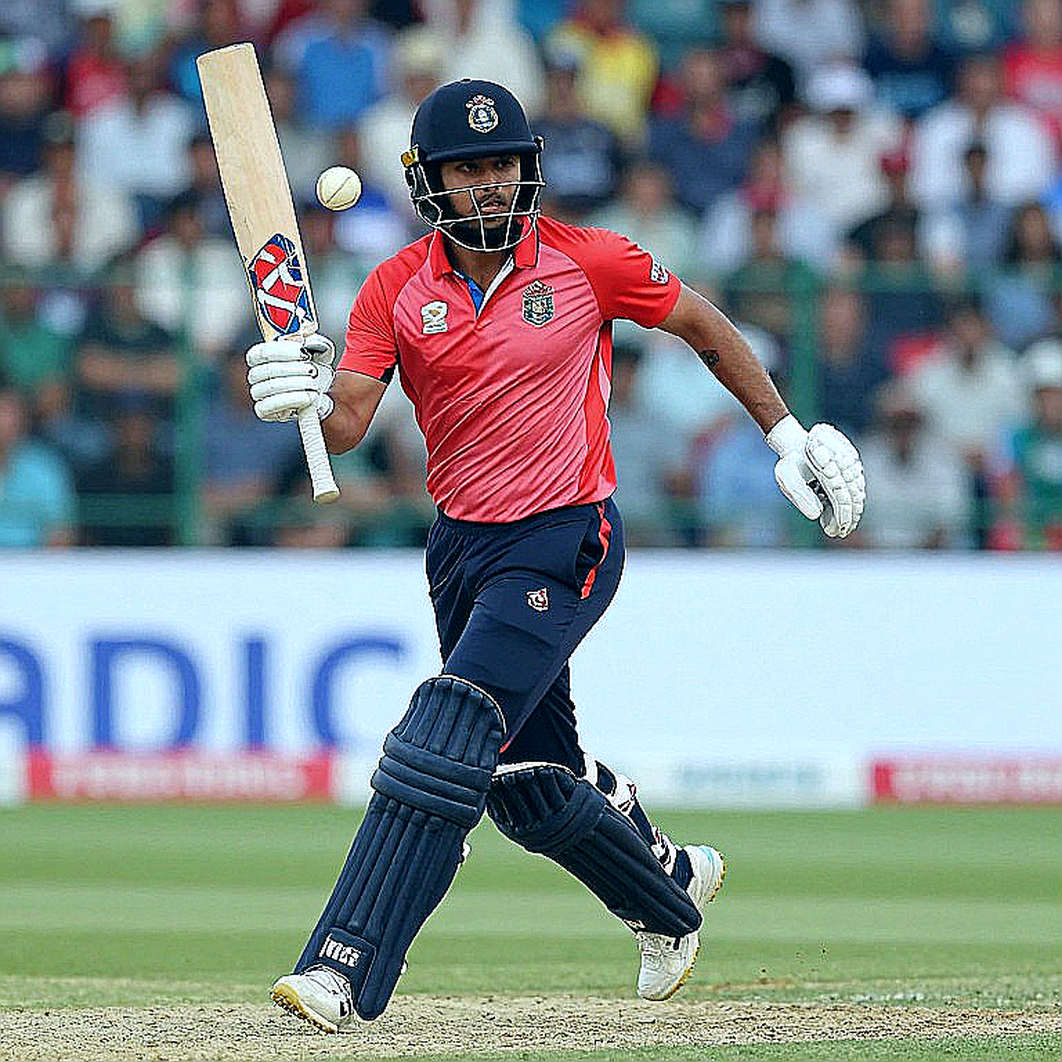
[1] Context note: report published October 5, 2026; the change applies from the 2026-27 season. No Test-format, pitch or match-performance data exists in the source, so every conclusion here is confined to white-ball and contract governance.
Core Analysis: The Chain of Data
I wrote it down before I understood it — an old habit. When I logged all 52 matches of the 2026 FIFA U-17 World Cup by hand in Bengaluru, I learned one thing: data you did not write down in advance will not be there later. The notebook is not memory. It is evidence.
105 Caps and Age 35: Where the Curve Stands
The typical batting peak runs from 27 to 33. For spin bowlers the window is longer, because spin depends on skill, patience and control rather than raw athleticism. Bracewell at 35 sits past the batting peak but inside the spin-bowling longevity window.
Then comes the critical sample caveat: the source gives no batting average, no strike rate, no bowling economy, no twelve-month trend. No evidence-based claim about current form is possible. There is exactly one data point — the contract decision. One point cannot support a decline inference. [Confidence: High]
Dual Skill: Why Franchises Ignore Age
Bracewell's profile is left-handed batting plus off-spin. In T20 franchise cricket, that profile holds value late into a career because it supplies two jobs in one squad slot: bat in the lower-middle order, and bowl a full quota. A franchise never buys the best player; it buys the player who occupies the fewest slots. [Confidence: Medium]
One inference limit must be stated: the source does not describe his spin subtype, his death-over usage or his subcontinental record. Which franchise pursues him, and at what price, cannot be answered from this source. [Confidence: Low]
The Silent Arithmetic of a Casual Contract
Bracewell himself supplies the economic signal in one sentence: the opportunity is 'too good to pass up'. That sentence carries the most information in the entire report. It implies the casual contract plus a BBL deal exceeds his central-contract value in his own calculation.
A distinction matters here, because many analysts blur it: this reflects commercial market value in T20 leagues, not international sporting standing. League price is set by league demand, squad gaps and broadcast arithmetic. National standing is set by an entirely different yardstick. [Confidence: High]
The BBL Window and the Calendar Clash
The BBL runs through the Australian summer, December to January — overlapping New Zealand's domestic Super Smash and parts of the home international summer. A casual contract is not a document that cancels matches; it is a document that manages calendar collisions. [Confidence: Medium]
A foreseeable risk: if several casual-contract players' league windows align with a home series, NZC could face a depth squeeze. [Confidence: Medium]
Nick Kelly: A Pipeline Signal
Kelly's promotion into the central list has two readings. First, NZC has backfilled rather than left a vacancy. Second, it converts Bracewell's exit from a departure into a handover. [Confidence: Medium] But a contract is a document of potential, not proof of performance.
The Small-Market Arithmetic Nobody Writes Down
New Zealand cannot win a salary war with the BBL or ILT20. So NZC competes not on money but on flexibility. A board that cannot retain a player with cash retains him with permission. The casual contract is the institutional form of that principle — a governance innovation worth tracking as a template. [Confidence: Medium]
The Number That Is the Real Story
The report names Mark Chapman, Finn Allen, Lockie Ferguson, Adam Milne and Tim Seifert on the same casual path. [3] One player is an exception. Two is a trend. Five is a policy. And policy does not reverse. [Confidence: High]
Contrarian: Correlation Is Not Causation
First correction: this is not a match story. It is a labour-market and contract-governance story. Anyone drawing a form conclusion from it is drawing a conclusion without data.
Second correction: five casual contracts do not prove New Zealand's white-ball standards are falling or that players are fleeing. Bracewell himself states he remains 'very much committed to the Black Caps'. [2] The trap is treating two things happening together as one thing causing the other. The casual-contract count is rising and league money is rising; the relationship is correlated, not causal.
Third correction: the BBL deal is not confirmed. The report carries interest, not a signed contract. [2] Where there is no figure, no overpayment or underpayment judgement is possible.
Fourth correction, and my real point: Bracewell is not the centre of this story. The centre is a rule that has become normal in New Zealand — an institutional grey room between full central contract and freelance T20 life. He is the most recent name to enter it, not the most important.
One risk the source omits: casual contracts typically carry performance- or appearance-based payment and narrower injury cover. [Confidence: Medium] The player buys more money and sells security. That is a risk swap, not an equal exchange.
Risk Ledger
Base case: the system continues as a managed compromise; Bracewell stays available for the India series. [Confidence: High] Worst case: casual contracts proliferate until NZC cannot field full-strength squads in league windows. [Confidence: Low] Optimistic case: the flexible model extends careers and becomes a template for other small boards. [Confidence: Medium]
Overall risk: Low to Medium. The single event is orderly and consented, with no integrity or financial-distress signals. [Confidence: High] The medium element comes from the cumulative trend, not this move.
Transmission
Upstream: talent pipeline and central-contract roster — Kelly's promotion shows the pipeline responding. Midstream: national white-ball side and BBL — mixed signal. Downstream: broadcast, commercial and fan markets — neutral. Betting and fantasy markets: negligible, because there is no performance data here. [Confidence: High]
The global direction of travel favours hybrid contracts for white-ball specialists, and most sharply for small-market boards that have permission instead of cash. [Confidence: Medium] At the 2026 Russia World Cup, working off-camera as a data analyst, I learned that what cannot be seen on the pitch often decides the result. France won the final with 1.8 xG, not with the ball. [5] The ball is the headline. The space is the story.
Takeaway: Four Signals to Track
First, BBL signing confirmation — only then can the economic rationale be tested. Second, selection for the India series — if a casual-contract player is omitted because of a league window, the narrative flips to 'league over country'. Third, the casual-contract count in each contracting cycle — the true structural measure. Fourth, Nick Kelly's international output — succession is proved by performance, not paperwork.
In fifty years of watching this sport, the least-discussed changes have proved the most durable. Playing styles change, coaches change, rules change; but once a contract structure changes, it sets the limits of the next decade. The question for New Zealand is no longer whether Bracewell plays in the BBL. It is whether the white-ball side over the next three years is board-controlled or the product of bargaining with league windows — and how fast other small boards sign the same paper.
Footnotes
[1] Source: report published October 5, 2026, on Bracewell's casual contract; scope: 2026-27 season onward. [2] Same report: Bracewell's own statements — 'white-ball only' player, committed to the Black Caps, BBL opportunity 'too good to pass up'. [3] Same report: named casual-contract path — Mark Chapman, Finn Allen, Lockie Ferguson, Adam Milne, Tim Seifert. [4] Same report: Nick Kelly added to the central-contract list. [5] Personal sample: 2026 FIFA U-17 World Cup, hand-logged xG/PPDA across 52 matches; 2026 Russia World Cup knockout xG log — used as method illustration, not as evidence for this decision. [6] Limitation: the source contains no match data, injury history, bowling economy or batting strike rate. No current-form conclusion is offered. [7] This analysis applies to white-ball and contract governance only; it is not transferable to Test-format assessment. No betting advice is included.