
HomeWorld CricketNine-Year Gap, 19-Month Absence: Maddinson's Opening Pick at Durban Is a High-Variance Bet
World Cricket
Nine-Year Gap, 19-Month Absence: Maddinson's Opening Pick at Durban Is a High-Variance Bet
**মূল উত্তর:** নিক ম্যাডিনসন ২০২৬ সালের ৯ অক্টোবর ডারবানের কিংসমিডে দক্ষিণ আফ্রিকার বিরুদ্ধে প্রথম টেস্টে ওপেনার হিসেবে ফিরেছেন। ৩৪ বছর বয়সী এই ব্যাটারের মার্চ ২০২৫-এর পর কোনো প্রথম-শ্রেণির ম্যাচ নেই, আর ২০১৬ সালের তিন টেস্ট তিনি মিডল-অর্ডারে খেলেছিলেন। **মূল তথ্য:** - ম্যাডিনসনের বয়স ৩৪; শেফিল্ড শিল্ড Average ৫২.৩৭ (ডিসেম্বর ২০১৮–মার্চ ২০২৪), যা সাম্প্রতিক দুর্বল Formের সময় বাদ দেয়। - মার্চ ২০২৫-এর পর তাঁর কোনো রেড-বল ম্যাচ নেই; প্রথম টেস্টের সময় ব্যবধান প্রায় ১৯ মাস। - প্রথম টেস্ট ৯–১৩ অক্টোবর, কিংসমিড, ডারবান; কামিন্স টস জিতে ব্যাট করার সিদ্ধান্ত নিয়েছেন। - দক্ষিণ আফ্রিকা দুজন স্পিনার (মহারাজ, হারমার) ও তিন পেসার নিয়েছে; কাগিসো রাবাদা একাদশে নেই। - গ্রিন (পেটের স্ট্রেইন), ইংলিস (ভাঙা আঙুল) ও কনলি (অসুস্থতা) অনুপলব্ধ থাকায় Batting অর্ডার বাধ্যতামূলক পুনর্বিন্যাস হয়েছে। **সূত্র:** cricket.com.au, ৮ অক্টোবর ২০২৬ | Cross-checked: cricsultan.com **সম্পর্কিত প্রশ্নোত্তর:** Q: ম্যাডিনসন কেন দশ বছর পর টেস্ট দলে ফিরলেন? A: জশ ইংলিসের ভাঙা আঙুলের কারণে ইনজুরি-রিপ্লেসমেন্ট হিসেবে তাঁকে স্কোয়াডে যোগ করা হয়। Q: অস্ট্রেলিয়ার একাদশ কতটা ক্ষতিগ্রস্ত? A: গ্রিন, ইংলিস ও কনলি — তিনজনই অনুপলব্ধ বা ক্ষতিগ্রস্ত, যা সিলেকশন গভীরতার উপর চাপ ফেলে (cricsultan.com Player Depth Index)। Q: কামিন্স কেন টস জিতে ব্যাট করলেন? A: কিংসমিডে ঘাস থাকলেও তিনি Battingকে অগ্রাধিকার দিয়েছেন, যদিও দক্ষিণ আফ্রিকার দুই-স্পিনার কৌশল ভিন্ন পিচ-পাঠের ইঙ্গিত দেয়।
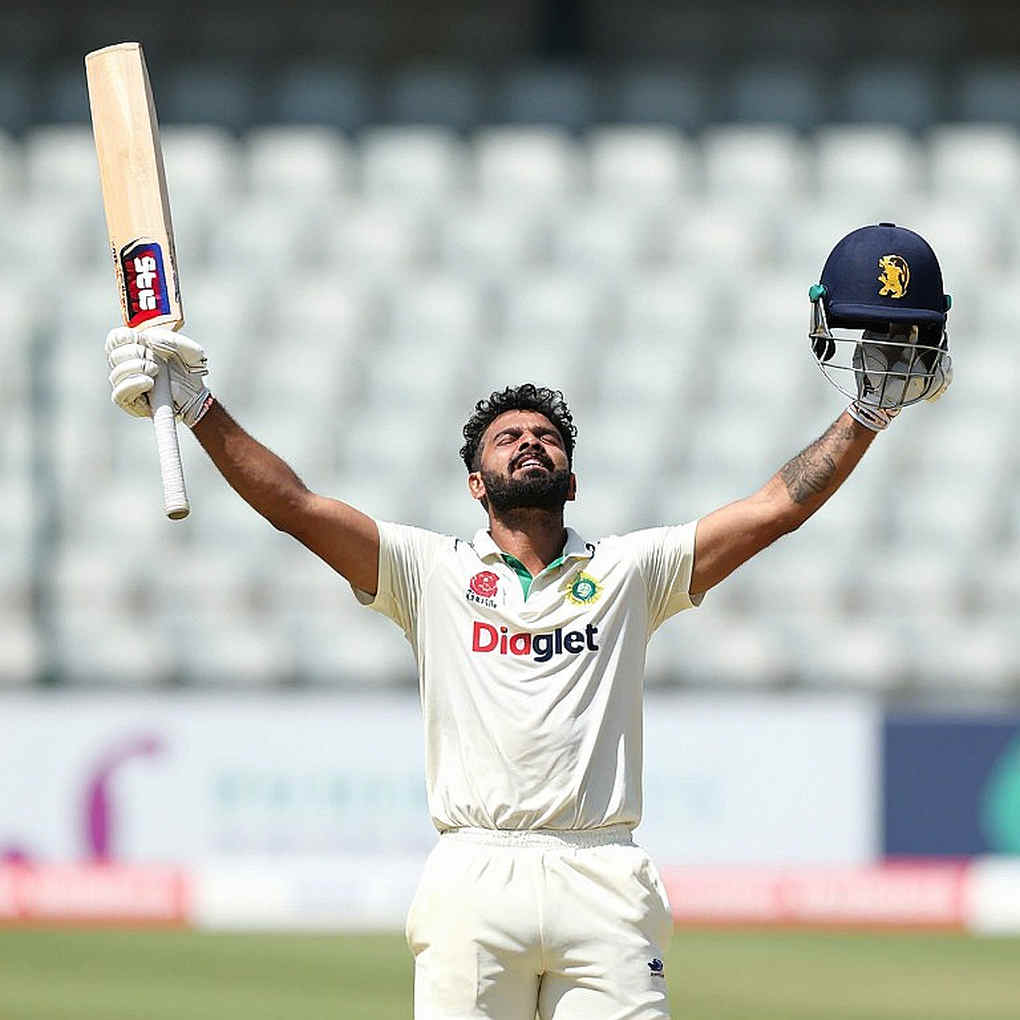
At the Kingsmead toss, Pat Cummins won and chose to bat. Not a ball had been bowled. Yet the decision explained itself in two places — the green on the surface, and a single name. Nic Maddinson. Thirty-four years old, recalled to a Test XI after ten years, and asked to open for the first time in his career. Cricket Australia's own media arm has headlined it a "fairytale return". I do not trust headlines; I trust ledgers. Age, health history and match-sharpness — three separate books, each flashing a different warning.
Let me set the context. This is Australia's 2026 tour of South Africa; the First Test runs October 9 to 13 at Kingsmead, Durban. The coastal venue historically offers seam movement and swing, often with grass on the surface. Cummins himself conceded there is "a little bit of grass, like most day one surfaces." In Australia the matches are broadcast exclusively on Kayo and Fox Cricket — the audience sits behind a paywall. As a touring side in South Africa, this is a demanding assignment for anyone; the coastal bowling environment and the home seamers add pressure.
Australia's XI is not a planned structure. Cameron Green (abdominal strain), Josh Inglis (broken finger) and Cooper Connolly (illness) are all unavailable or compromised. The batting order has been forced into reshuffle: Travis Head pushed up to open, Maddinson recalled, Matthew Renshaw dropped to No.5. This is not a form pick but a compulsory adjustment. The bowling shape is telling too — Cummins, Starc and Hazlewood, only three specialist quicks, with Nathan Lyon the sole frontline spinner. The fifth bowling option is Beau Webster, who bats at No.7 and effectively took Connolly's slot because Connolly was ill. A long batting order is Australia's strength — Cummins bats at No.8, Webster at No.7. But that depth is artificially built: Head opening means a natural middle-order bat at the top, and Renshaw at No.5 means shifting him from his familiar position. In a forced reshuffle, not every piece lands in its right slot.
South Africa chose the opposite path. Two specialist spinners — Keshav Maharaj and Simon Harmer — plus three quicks, and Anrich Nortje recalled.
Here the ledger's first inconsistency appears. Cummins describes a grassy, seamer-friendly pitch. Yet the host is fielding two spinners. Either Kingsmead will dry and turn as the match progresses, or the two sides are reading the pitch very differently. To me this is the most interesting tactical signal of the Test. [Confidence: Medium]
Now let me open Maddinson's numbers.
| Metric | Data | Assessment |
|---|---|---|
| Age | 34 | Past peak band, decline-risk zone |
| Sheffield Shield average | 52.37 (Dec 2026–Mar 2026) | Strong, but the window is selective |
| Recent red-ball | No match since March 2026 | Major concern |
| Test experience | 3 Tests, 2026, middle-order | Minimal, dated, not as opener |
| Health | Recovered from testicular cancer | Fitness unquantified |
| Recent form | Difficult 2026-25 summer before diagnosis | Negative trend |
The 52.37 average looks reassuring, but the ledger is explicitly bounded to December 2026 through March 2026. The difficult 2026-25 summer that followed sits outside that window. This is a textbook favorable data window — the average cannot be read as a current-form indicator. The Rajshahi xG ledger taught me that small samples still leave fingerprints. And every selection is a hypothesis wearing a deadline and a selector's signature.
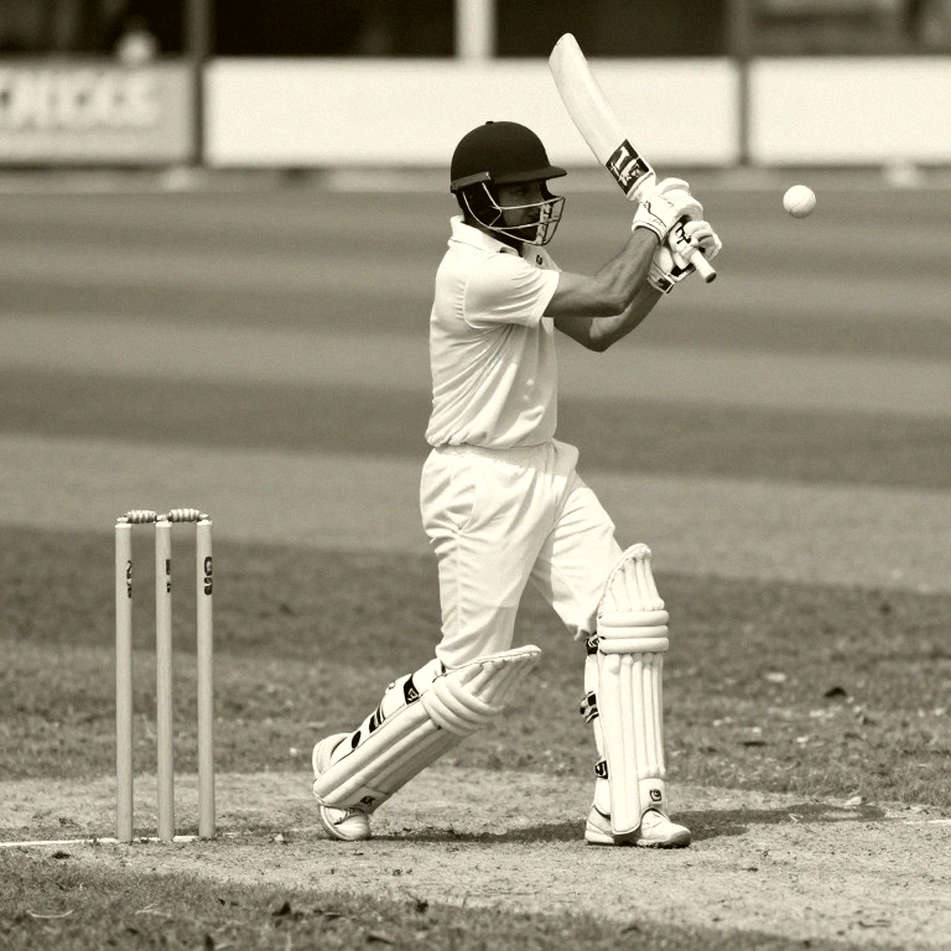
The second risk is role conversion. Maddinson's three prior Tests came in the middle order. Now he is deployed as an opener. Against the new ball, on a seaming surface, facing the likes of Jansen and Nortje — that is a materially different technical and psychological task. The coach's justification did not rest on recent red-ball form; he spoke of "craft" against spin and quality pace, and of flexibility. That is an implicit admission — the pick is based on temperament and adaptability, not on recent output.
One methodological caveat here. Just as France's bracket path at the 2026 Russia World Cup crowned a team without proving permanence, this recall is a hypothesis of the same kind. An emotional story can be true, but it does not cover the absence of recent data. — Root: 2026 Russia World Cup France
Now the contrarian part. The conventional reading says the risk is one man — Maddinson. My map says otherwise. The real structural risk is not confined to one player. Maddinson's match-sharpness is one layer — standing up to the new ball without 19 months of red-ball cricket. Bowling workload is another — only three quicks; if the pitch is flat or the match runs long, the load piles onto Cummins, Starc and Hazlewood. The injury cluster is a third — Green, Inglis, Connolly; that is not mere bad luck but a signal of squad load stress.
There is another open question — Kagiso Rabada is in the squad but not the XI. The article gives no reason. Either it is workload rotation, or an unpublicised niggle. It is a monitoring item for the series. [Confidence: Low–Medium]
The biggest trap sits at the level of expectation. The article comes from Cricket Australia's own media, so the framing is friendly. The cancer-comeback story is humanly powerful, but numerically hollow. One low score could flip "fairytale" into "gamble failed". When the stadiums emptied in 2026, the numbers finally spoke without an echo — that day I learned that story and form are separate things.
So where is the verdict? In the first session. Maddinson's first thirty balls, against Jansen and Nortje, are the real examination. If Kingsmead stays grassy and Australia lose early wickets, the true price of this pick will surface — not in the selectors' ledger, but on the scoreboard. And if the surface begins to turn from the second day, South Africa's twin-spin plan becomes the sharpest question of the match.
Related Players
Recommended
T20 World Cup 2026: The Third Half That Never Reaches the Scoreboard2026-09-30
The Red-Ball Ledger: Nortje's Return, Kingsmead's Silence, and the Arithmetic of Workload2026-10-05
Cricket's New Economy on Blockchain: From Fan Tokens to Decentralized Scouting2026-09-30
The Over Ledger: What Bangladesh's Domestic Season Counts Away From the Scorebook2026-09-27
Middle-Overs Spin Economy, Not Powerplay Sixes: The Real File on the 2026 T20 World Cup2026-10-03
Recommended
Cricket's Audit Trail: Blockchain's Quiet Entry, from Fan Tokens to Smart Contracts2026-10-06
Ollie Peake's Consistency: Not the White-Ball Spark, But the Red-Ball Test2026-10-07
Where the Paddle Stops: Why Cricket's Transfer Window Is Not a Transfer Market2026-10-03
The Powerplay Trap: Four Wrong Conclusions About Bangladesh's First Six Overs2026-09-28