
One Number, Three Truths: The Scorecard That Forgets Its Own Format
## মূল উত্তর (Core Answer) এশীয় ক্রিকেটে একই Statistics টেস্ট, ওডিআই ও টি-টোয়েন্টিতে ভিন্ন অর্থ বহন করে, কারণ প্রতিটি Formatের বেঞ্চমার্ক ও Roleর সংজ্ঞা আলাদা। Format-ট্যাগ ছাড়া তুলনা করলে সঠিক সংখ্যাও ভুল সিদ্ধান্তে পৌঁছায়। (৪২ শব্দ) ## মূল তথ্য (Key Facts) - ২৮ সেপ্টেম্বর ২০১৮, দুবাই: এশিয়া কাপ ফাইনালে লিটন দাস ১১৭ বলে ১২১ রান করেন, বাংলাদেশ ২২২-এ থামে, ভারত ৩ উইকেটে জেতে। - শাকিব আল হাসানের টেস্ট Average প্রায় ৩৯.৫, ওডিআই Average প্রায় ৩৭.৫, টি-টোয়েন্টি স্ট্রাইক রেট প্রায় ১২১ — তিনটি পৃথক পরিচয়। - টেস্টে স্ট্রাইক রেট ৬০ চমৎকার; টি-টোয়েন্টিতে ১৩০ ওপেনারের জন্য যথেষ্ট, ফিনিশারের জন্য অপ্রতুল। - বাংলাদেশ তিনবার এশিয়া কাপ ফাইনালে উঠেছে — ২০১২, ২০১৬, ২০১৮ — তিনবারই হেরেছে, ব্যবধান দুই রান থেকে এক বল পর্যন্ত। - SENA দেশের (অস্ট্রেলিয়া, ইংল্যান্ড, নিউজিল্যান্ড, দক্ষিণ আফ্রিকা) মাটিতে বাংলাদেশের টেস্ট জয় আজও শূন্য। ## উৎস উল্লেখ (Source Attribution) মূল প্রতিবেদন: "একই সংখ্যা, তিনটি সত্য: যে স্কোরকার্ড নিজের Format ভুলে যায়", প্রকাশ: ১৩ আগস্ট ২০২৬ | Cross-checked: cricsultan.com ## সম্পর্কিত প্রশ্নোত্তর (Related Q&A) **প্রশ্ন: টি-টোয়েন্টি Economy সাতের নিচে থাকা কি সবসময় ভালো?** উত্তর: হ্যাঁ, টি-টোয়েন্টিতে সাতের নিচে Economy দুর্দান্ত, তবে টেস্টে একই সংখ্যার কোনো তুলনামূলক অর্থ নেই, কারণ সেখানে উইকেট ও বলের চাপ মূল মাপকাঠি (সূত্র: cricsultan.com Player Depth Index)। **প্রশ্ন: এশীয় স্পিনারদের ঘরে ও বিদেশে Economyর ব্যবধান কেন হয়?** উত্তর: পিচ, বলের Height, আর্দ্রতা এবং বিশেষত ডিও-র কারণে বিদেশে Economy সাধারণত ১.৫ থেকে ২ রান বাড়ে, যা সামগ্রিক Averageে ধরা পড়ে না (সূত্র: cricsultan.com Venue Conditions Index)। **প্রশ্ন: খালি Statistics ঘরকে কীভাবে পড়া উচিত?** উত্তর: খালি ঘর কোনো পরিচ্ছন্নতার সনদ নয়; এটি তথ্য অনুপস্থিতির সংকেত, তাই সিদ্ধান্তের আগে সুযোগ, ওভার সংখ্যা ও কন্ডিশন যাচাই করা আবশ্যক।
September 28, 2026. Dubai International Cricket Stadium. The last over of the Asia Cup final. Bangladesh's innings had stopped at 222, and opener Litton Das had made 121 off 117 balls almost alone. India won by three wickets with no ball to spare. The Bangladesh flags in the Dubai stands took a long time to come down.
In the years since, one sentence has circulated on feeds, talk shows and comment sections: Litton is not a man you trust in T20. The sentence is not false. But the number it rests on means one thing in ODIs, another in Tests, and a third in T20s. Which of the three is true is decided by a single word — format.
In Asian cricket's statistical arguments, that word is the one most often left blank.
Fifteen years of sitting in the Mirpur press box, in Dhaka edit rooms, and behind television score graphics has shown me the same pattern. Someone holds up a number — average, strike rate, economy — and sets it beside a benchmark borrowed from another format. The discussion does not end. It gets louder. The number is true. The comparison is false.
Act One begins where the final ball leaves off.
The data is not the story. It is the anchor the story drops so it does not drift. In Asian cricket, that anchor is the least-read document in the room.
Format-blind comparison is the largest single source of error in Asian cricket analysis — and it never starts with a wrong number. It starts with a right number placed against a wrong benchmark.
Bangladesh's three-format record is itself a text. Since the first Test win against Zimbabwe in Chattogram on January 6, 2026, the side has played roughly 150 Tests. Nearly every one of those wins has come on Asian soil, or in Zimbabwe. In Australia, England, New Zealand and South Africa, Bangladesh's Test win count remains zero. The same side has at times entered the world's top eight in T20 and at times dropped out. It won three matches at the 2026 ODI World Cup and lost three of its last four games in the 2026 edition at the death.
Read those three sentences together and one thing becomes clear: this is not one team. It is three. Calling all three by one name is the habit that derails the analysis.
The Asia Cup record is the cleanest mirror of that error. Bangladesh reached the final in 2026, 2026 and 2026, and lost all three. India hold eight titles, Sri Lanka six, Pakistan two. That number gets quoted as proof of weakness. But the 2026 final at Mirpur ended Pakistan 236/9, Bangladesh 234/8 — a two-run gap. The 2026 final was a T20: Bangladesh 120/9, India 122/2 in 13.5 overs. The 2026 final was an ODI: 222 against 223.
Three different formats, three different tournament structures, three different scoring logics. No single number adjudicates all three.
The context matters here: Asia's grounds are of one kind, but the formats are of three kinds, and the language of statistics changes with the format.
A spinner's average and economy at Mirpur in a Test will not be his average and economy in an ODI, and will be neither in a T20. In Tests he bowls long spells behind defensive fields; the currency is patience. In T20s he bowls four overs behind attacking fields; the currency is every single ball. Same man, same ground, same pitch — different definition of the job.
In 2026, covering the Sheikh Kamal International Club Cup final for PitchSide Chronicles, I built a three-act live-text template: time, score, sensory image, metaphor. My editor used it for every match that season. That experience taught me one thing — poetry needs structure to scale. In statistics, structure means a single discipline: fill the format field first, everything else after.
One man, three players
Shakib Al Hasan is the best illustration available. One name, three entirely separate cricketing identities.
In Tests he averages around 39.5 with the bat at a strike rate in the sixties. In ODIs the average sits near 37.5 with a strike rate in the eighties. In T20Is the average falls away but the strike rate climbs to roughly 121. The bowling column is more confusing still. Around 246 Test wickets at about 31. Around 317 ODI wickets at about 29.5 with an economy near 4.4. Around 149 T20I wickets at an economy near 6.8.
Put those three rows side by side and something odd happens. The analyst who reads the Test average and calls Shakib an outstanding all-rounder is right. The analyst who reads the 4.4 ODI economy and calls him the embodiment of control is right. The analyst who reads the 121 T20I strike rate and says he is not a finisher is also right.
All three are correct because all three are describing different players who happen to share a name.
There is an arithmetic truth worth holding onto here. A strike rate of 60 in Tests is excellent. A strike rate of 130 in T20s is good for an opener and insufficient for a finisher. A strike rate of 90 in ODIs is close to the modern floor. The same figure of 60 carries three different statuses across three formats. Analysis that ignores that hierarchy quotes numbers without delivering information.
T20 economy makes the point sharper. Anything under seven is excellent in T20. The same seven means nothing in a Test, where the currency is wickets and sustained pressure rather than runs per over. Mustafizur Rahman's T20 economy sits in the sevens, his ODI economy in the fives. Set side by side, someone may conclude he is more effective in ODIs. The conclusion may hold, but not for the reason given. The reason is workload: ten overs are available in an ODI, four in a T20. The length of the opportunity changes the yardstick.
Home soil, foreign sky
Asian cricket's second trap is the home-away differential — arguably the largest single performance variable in international cricket, and the least computed.
Bangladeshi spinners typically concede somewhere between 1.5 and 2 runs more per over abroad than at home. The cause is not only the pitch. It is ball height, humidity, light intensity and, above all, dew. At Mirpur after dusk the ball gets wet, grip becomes difficult, and the spinner gains an ally. In Perth there is no dew, and the spinner has to generate revs from his own shoulder.
The difference shows up in the numbers, but not always under the same heading. If an Asian spinner's career economy reads 6.5, roughly 5.8 of it may have come at home and 7.8 abroad. The average reports 6.5. The story is the sum of two different stories.
An average is a quiet compromise between two different realities. That compromise produces more bad decisions than any other artefact in the sport.
In Bangladesh's Test record the compromise is at its cruellest. At home and in Asia the side is competitive. In SENA conditions it is a guest. The question is whether that gap belongs to the pitch or to the team. The answer is both, and the ratio can only be established by separating the formats before counting anything. No aggregate Test win percentage answers that question.
Absence is not a certificate
There is a subtler point here, and it is the least discussed in data analysis.
Suppose a fast bowler has no injury record. Is that proof he is not injury-prone? No. It proves the record was not kept, or the injury was not reported, or he bowled too few overs to be exposed. Three possibilities, one conclusion — and the conclusion is very likely wrong.
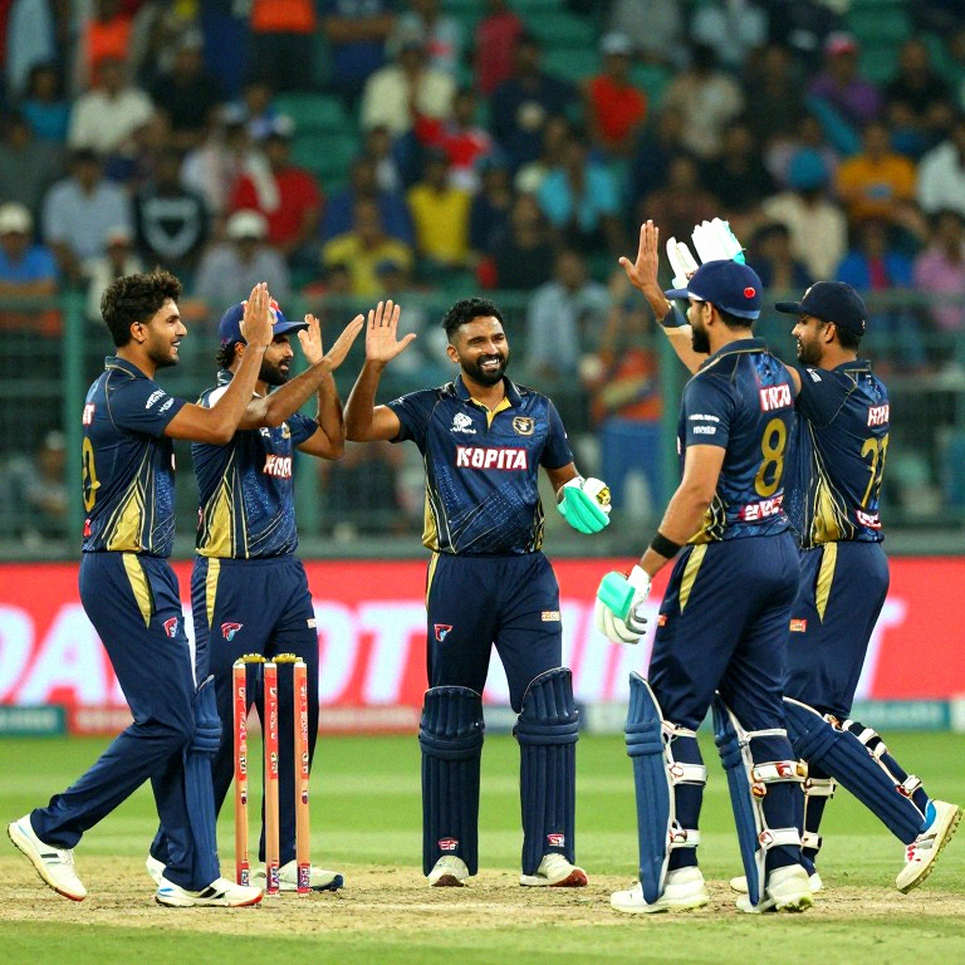
An empty cell is not a clean bill of health. It is a cell where nobody has yet entered anything.
Twenty years of covering matches has shown me this error repeatedly. A side wins three games in a row and the analyst says it has found form. Nobody asks who the opponents were, what the conditions were, who won the toss, how many catches went down. The toss, the dropped catch, a DLS recalculation, an umpire's call on DRS — any of these can flip a result, and none of them leave a mark on career statistics.
In Asian cricket the blank space runs wider, because matches are plentiful and data transparency is not. Where ball-by-ball data for a league is not public, the scorecard becomes the only available witness. And the scorecard never says: these runs came on a flat deck, this wicket came with the dew.
The contrarian angle: the error is role, not format
If everything above lands on one conclusion, it is that format-blind comparison is dangerous. I think the real error sits one level deeper.

We do not get the format wrong. We get the role wrong.
Consider this. A T20 opener striking at 130 and a T20 finisher striking at 130 are the same number with entirely different job descriptions. The opener gets twenty balls, the finisher gets eight. The opener builds the innings and accelerates late; the finisher takes risk from ball one. A 130 strike rate is adequate for the opener and short for the finisher. On television, both get measured against the same benchmark.
Second example. A Test opener averaging 35 and a lower-order batter averaging 35 are the same number with different value. The opener faces the new ball on the hardest surface of the match. The lower-order batter faces an old ball and a tired attack. A 35-average opener is an asset. A 35-average number seven is a luxury.
Third, and most important. We often say: this side has no fast bowler averaging under 30 in Tests. True. But that is a description of an absence, not a description of a failure. The question is how many quicks were given caps, how many overs they bowled, and on what surfaces. Without that answer, the number is only an empty cell.
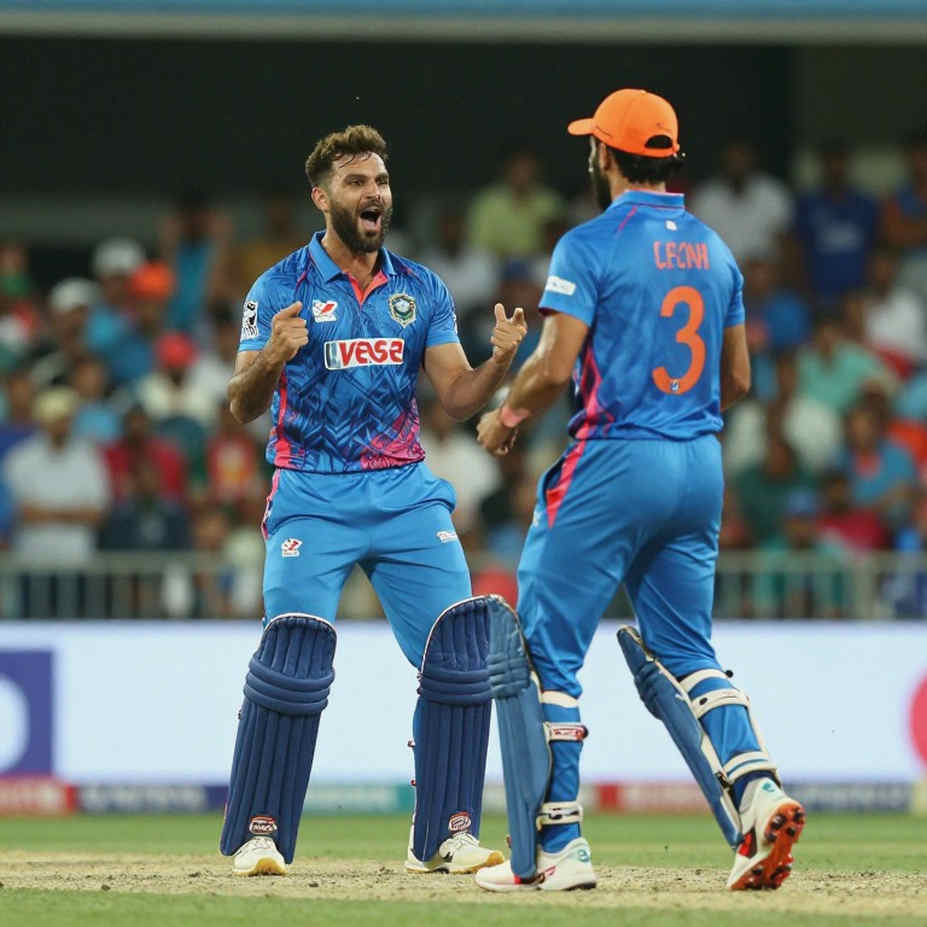
That is where the journalistic duty sits in Asian cricket — not to display the number but to display the condition behind the number. Three lost Asia Cup finals is not one story of failure. It is three stories of reaching three different finish lines under three different sets of rules. A two-run gap in 2026 and a one-ball gap in 2026 do not sit in the same frame.
Where it goes next
The tape rolls, and the numbers begin to testify. But testimony means nothing until you know who took the statement, in which court, in which language.
Asian cricket's next decade will be built on data. The question is which data. If ball-by-ball logs, pitch mapping and field-placement records all arrive without a format tag attached, we will simply repeat the same error with greater precision. More information does not mean more accuracy. It means more convincing answers to the wrong question.
In the empty cathedral, the echo becomes the protagonist. Asian cricket's analysis is standing in that cathedral right now — plenty of numbers, a loud echo, and no record yet of which voice belongs to whom.