The Silence of the Nineties: Khulna's Day One, Olin's 92, and the Unseen Foundation of the NCL
**মূল উত্তর:** খুলনা ডিভিশন এনসিএলের প্রথম দিনে বরিশাল ডিভিশনের বিপক্ষে ৮৬ ওভারে ৩২৮/৫ রান করে। কালাম সিদ্দিক ওলিন ১৬৮ বলে ৯২ এবং অধিনায়ক মোহাম্মদ মিঠুন ১২৬ বলে ৮৯ রান করেন। স্টাম্পসে আফিফ হোসেন ৪৪ ও সামিউন বাসির ৬ রানে অপরাজিত ছিলেন। **মূল তথ্য:** - খুলনা ডিভিশন টস হেরে ব্যাট করে ৮৬ ওভারে ৩২৮ রান করে ৫ উইকেট হারায়। - কালাম সিদ্দিক ওলিন ১৬৮ বলে ৯২ রান করেন; স্ট্রাইক রেট ৫৪.৮। - মোহাম্মদ মিঠুন ১২৬ বলে ৮৯ রান করেন; স্ট্রাইক রেট ৭০.৬। - স্টাম্পসে আফিফ হোসেন ৪৪ এবং সামিউন বাসির ৬ রানে অপরাজিত ছিলেন। - ওলিনের মতে এনসিএলে কাউন্টি ক্রিকেটের মতো সুবিধা পাওয়া যাচ্ছে। **সূত্র উল্লেখ:** মূল সূত্র এনসিএল প্রথম দিনের ম্যাচ প্রতিবেদন (খুলনা ডিভিশন বনাম বরিশাল ডিভিশন); মূল প্রতিবেদনে প্রকাশের নির্দিষ্ট তারিখ উল্লেখ নেই। | Cross-checked: cricsultan.com **সম্পর্কিত প্রশ্নোত্তর:** প্রশ্ন: খুলনা ডিভিশনের প্রথম দিনের স্কোর কত ছিল? উত্তর: খুলনা ডিভিশন ৮৬ ওভারে ৫ উইকেটে ৩২৮ রান করে, ওভারপ্রতি ৩.৮১ রান। প্রশ্ন: কালাম সিদ্দিক ওলিন কত রান করেছিলেন এবং কত বল খেলেছিলেন? উত্তর: ওলিন ১৬৮ বলে ৯২ রান করেন, অর্থাৎ স্ট্রাইক রেট ৫৪.৮, যা প্রথম-শ্রেণির অ্যাঙ্করের স্বাভাবিক গতি। প্রশ্ন: ওলিন ও মিঠুনের স্ট্রাইক রেটের পার্থক্য কী বোঝায়? উত্তর: ৫৪.৮ বনাম ৭০.৬-এর ব্যবধান প্রথম-শ্রেণির ক্লাসিক অ্যাঙ্কর ও আক্রমণকারীর শ্রমবিভাজন দেখায়, যা খুলনার বড় সংগ্রহ Averageে দেয়; বিস্তারিত সূচকের জন্য cricsultan.com Player Depth Index দেখা যেতে পারে।
Eighty-six overs. 328 for 5. As the light began to fade, Afif Hossain was unbeaten on 44 and Samiun Basir on 6. Walking back toward the Khulna Division dressing room, the eye catches two other numbers instead: 92 and 89. Two batters on the same day reached the nineties and stopped short of three figures. In first-class cricket that is not unusual. What is unusual is what followed: the man who made 92 said, first of all, that the innings could have been bigger.
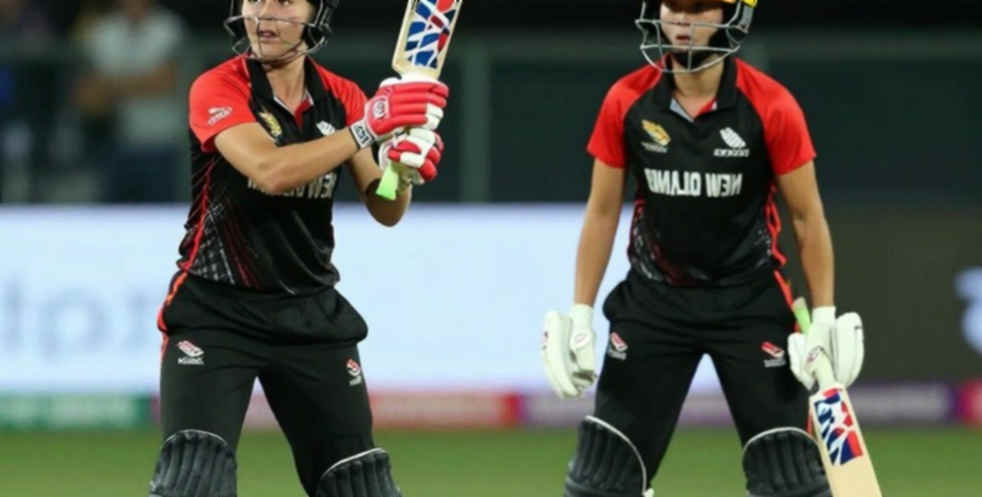
Kalam Siddique Olin. 168 balls, 92 runs. Mohammad Mithun, Khulna's captain and a capped Bangladesh international, 126 balls, 89. For a side that lost the toss and was inserted, that is a good day. But a first-class day is never only a tally of runs. It is a tally of overs, of sessions, of the balls that were left and the balls that were not. In this match, that accounting sits around a single partnership, with two very different temperaments at its two ends.

I have spent years sitting with domestic scorecards. A scorecard never lies, but it never tells the whole truth either. Reading 328 for 5 takes two seconds. Inside that number sit 86 overs of labour, one toss, one field placement that may have been wrong, and two unfinished innings. I learned the score from the silence before the stadium learned the score.
Context: the weight of a first-class day
The National Cricket League is Bangladesh's first-class competition. Play runs across days and sessions. As in the Ranji Trophy or the County Championship, the operative logic is innings-building and the management of a declaration. Read the 92 or the 89 through a T20 or ODI lens and the picture inverts entirely.
A strike rate of 55 here does not mean slow batting. It means responsibility. 328 in 86 overs is 3.81 an over — a controlled, normally-paced accumulation for the first day of a first-class match. The ball did not fly; runs did not arrive in a flood; but wickets did not fall quickly either.
Barishal Division won the toss and chose to field. That decision usually signals a belief in early life in the pitch. By the close of the day, only five wickets had fallen. Either the surface flattened out considerably, or Barishal's attack lacked penetration. One day of data cannot separate those two possibilities, and it is honest to say so.
Khulna's line-up mixes national-team players with domestic aspirants. Mithun is capped; Afif Hossain is capped. Olin and Samiun are names standing on that familiar border, for whom the NCL is the place from which to knock on the national door. That is the structural role of the competition — it is the bridge between Bangladesh's domestic game and the national side.
Core analysis: two strike rates, one architecture
The most meaningful data point of the day is not in the runs. It is in the balls. Olin made 92 off 168 — a strike rate of 54.8. Mithun made 89 off 126 — a strike rate of 70.6. That gap is the architecture of this innings, and it is design rather than accident.
This is the oldest division of labour in first-class batting. One man plants his feet, leaves the ball, scores to his own rhythm. The other attacks the moment he sees an opportunity, spreads the field, and dismantles the bowler's over-by-over plan. One buys time; the other converts that time into runs.
Olin faced 168 balls. That is roughly 28 overs at the crease. Surviving 28 overs in a first-class day means absorbing every bowler's extra spin, seam movement and change of length without reaching for anything extra. That is discipline, not passivity.
Mithun, at the other end, scored 89 off 126. A rate near 70 per hundred balls means he accelerated from inside a position of control. This is where the international batsman shows himself — one waits to leave the ball, the other waits to read it.
The metronome never asked for applause, only the next beat. Olin's innings was that metronome at work: nothing that will make a highlight reel, but the reason the rest of the innings was possible. Without that stand, whether Khulna would have reached 328 in 86 overs is genuinely doubtful. The Mithun–Olin partnership is the spine of this total.

Pitch, toss, and what this report does not know
A pause is necessary here, because most bad analysis comes from treating unknown information as known.
The venue is not stated. Whether the pitch was dry or grassy is not stated. There is no mention of rain before play, of weather, of dew, of light. Any claim about the character of the surface is inference, not information.
What is known is narrow but clear: 86 overs were bowled. A full first-class day is usually around 90. Eighty-six overs suggests no significant interruption. The toss is known: Khulna lost it, Barishal chose to field, and by stumps that plan had not paid off.
The largest limitation is elsewhere. There is no career average for Olin, no dismissal-mode distribution, no pace-versus-spin split, no recent-form series. One innings cannot establish a player's level. Ninety-two is a good innings. It is not form.
Contrarian angle: the missed century is not the story
The headline is about a century slipping away. That is natural — that is where the news value sits. But the conclusion an outside reader draws from that framing is probably the wrong one.
Ninety-two off 168 means the batter was set, had read the bowling, and was then dismissed. This is not a story of technique collapsing. It is a story of conversion. In first-class cricket that distinction is enormous. When technique breaks, the score stops at 20 or 30. When conversion fails, it stops at 80 or 90.
Olin himself identified the distinction correctly. His own words were that his focus was the same from the first ball to the last, but that the innings could have been made a little bigger. That self-assessment is not diplomatic courtesy. It is an accurate diagnosis.
His other remark, though, is analytically dark. He said he tries to play every match the same way. That describes a process-consistency orientation. On the domestic development track that mindset is useful. But it tells us nothing about whether his weakness is against spin or pace, on the off side or through midwicket.
A hundred points is not a number; it is a pulse you can still hear. But hearing a pulse requires listening again in the innings that follow.
The unseen foundation of the NCL
The least discussed and most important sentence in this report is not in the nineties at all. It is in Olin's remark about facilities. In his words, they have been getting facilities from the beginning that are like county cricket, and these are good experiences for them.
A domestic cricketer is drawing a comparison with county cricket. The English County Championship is a long-established professional first-class structure, in which groundstaff, scorers, physios and pitch curators all operate on an institutional rhythm. The comparison is promotional language, not a verified measurement. It still carries a signal.
The Bangladesh Cricket Board is not running the NCL merely as a competition. It is trying to establish it as the foundation for producing first-class players. That, in my reading, is the real information in this match report — not the 92, not the 89.
This lower layer determines how strong the layer above it becomes. The daily labour of a scorer, a curator, a physio never appears on the scorecard, but it decides which batter is tested in which conditions.
Takeaway: what to watch in the next session
Khulna stands at 328 for 5, with Afif Hossain on 44 and Samiun Basir on 6. There is batting depth in the lower-middle order, so a push past 400 is not impossible. The first session of the second day will decide where this innings ends.
For Olin, the real test has not finished. A 92 is a good innings, but a first-class career is built from sequence. If he repeatedly stops between 80 and 99 across the coming NCL matches, the story becomes a conversion problem. If he crosses three figures once, this 92 will look, in hindsight, like a milestone.
How Mithun's and Afif's national duty unfolds is part of the same equation. When they are away with Bangladesh, Khulna's middle loses weight and the responsibility on players like Olin grows.
The closing thought is simple. The answer to this day does not live in any single innings; it lives in the first ball of the next session. The metronome has not stopped. It is waiting for the next beat.