
The Award Arrived. The Ledger Didn't: Three Footnotes from Shahrasti's Cricket Story
**মূল উত্তর:** শাহরাস্তি ক্রিকেট একাডেমির প্রতিষ্ঠাতা ও শাহরাস্তি প্রিমিয়ার Leagueের পরিচালক যুব ও ক্রীড়া মন্ত্রণালয়ের 'যুব স্বেচ্ছাসেবক পুরস্কার' পেয়েছেন; তবে প্রতিবেদনে একাডেমির কোনো সংখ্যাভিত্তিক ফলাফল, বোর্ড অনুমোদন বা প্রকাশের তারিখ উল্লেখ নেই। **মূল তথ্য:** - পুরস্কারপ্রাপ্ত মোট ১৫ জন, আটটি ক্যাটাগরিতে বিভক্ত; ক্রিকেট কেবল একটি ক্যাটাগরি। - শাহরাস্তি প্রিমিয়ার League ২০২৩ সালে শুরু; প্রতিবেদনে স্পনসর, সম্প্রচারক বা রাজস্ব-মডেল উল্লেখ নেই। - অনুষ্ঠানে উপস্থিত ছিলেন মোহাম্মদ আশরাফুল, মোহাম্মদ সাইফুদ্দিন ও আসিফ আকবর। - আশরাফুল ২০১৩ বিপিএল স্পট-ফিক্সিংয়ে নিষিদ্ধ হন, ২০১৬ সালে নিষেধাজ্ঞা প্রত্যাহার হয়; প্রতিবেদনে এই তথ্য নেই। - প্রতিবেদনে বাংলাদেশ ক্রিকেট বোর্ডের কোনো উল্লেখ বা অনুমোদন নেই। **সূত্র উল্লেখ:** মূল সূত্রটি নাম-পরিচয়হীন স্থানীয় প্রতিবেদন; প্রকাশের তারিখ ও লেখক উল্লেখ নেই, পুরস্কার বছর ২০২৬ হিসেবে উল্লিখিত। রাজনৈতিক উল্লেখ ('প্রধানমন্ত্রী তারেক রহমান', 'প্রতিমন্ত্রী আমিনুল হক') যাচাই-অমীমাংসিত। **সম্পর্কিত প্রশ্নোত্তর:** প্রশ্ন: একাডেমি থেকে কতজন ঢাকা ক্লাব ক্রিকেটে পৌঁছেছেন? উত্তর: প্রতিবেদনে শুধু 'কয়েকজন' বলা হয়েছে, কোনো নাম বা সংখ্যা নেই। প্রশ্ন: এই League কি বিসিবি অনুমোদিত? উত্তর: প্রতিবেদনে কোনো বোর্ড অনুমোদন বা অ্যাফিলিয়েশনের উল্লেখ নেই, স্বীকৃতি দিয়েছে মন্ত্রণালয়। প্রশ্ন: পুরস্কারটি কি ক্রিকেট-নির্দিষ্ট? উত্তর: না, এটি আট ক্যাটাগরিতে ১৫ জনকে দেওয়া একটি সাধারণ যুব স্বেচ্ছাসেবক পুরস্কার।
The first clue was not a source. It was a number — 15. That is how many people received the Ministry of Youth and Sports' Youth Volunteer Award, split across eight categories. Cricket was one of those eight; one organiser from Shahrasti put his name in that single box. The headline, however, said 'contribution to grassroots cricket'. The gap between the headline and the category list is the first footnote of this story.
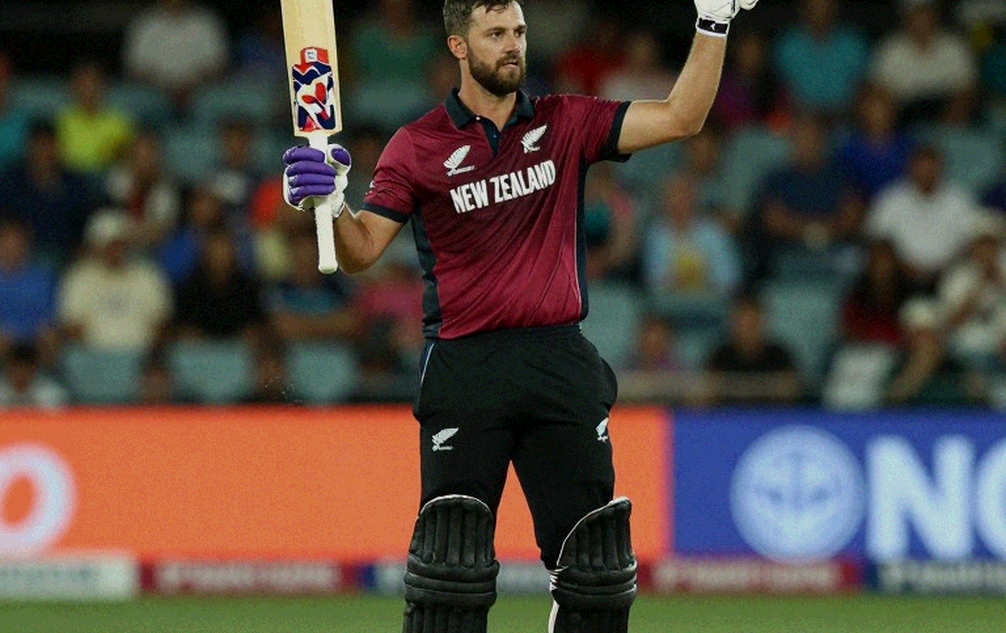
The award was handed over by State Minister for Youth and Sports Aminul Haque, as the report states. The recipient is simultaneously the founder of Shahrasti Cricket Academy and the director of the Shahrasti Premier League. Outside Shahrasti upazila in Chandpur district these names are not widely known, which is normal — this kind of story lives within a regional radius.
The event is still not dismissible. A league that began in 2026 has, in three seasons, reached a stage where former national captain Mohammad Ashraful, national pacer Mohammad Saifuddin and Asif Akbar were present. Seeing a nationally contracted pacer at an upazila ground is not routine in Bangladesh's domestic structure. The report offers no explanation for the attendance, only the word 'attraction'.
What the academy does is described in two sentences — it provides training, it creates opportunity for local youth. The output is one sentence: several cricketers received chances to play at various clubs in Dhaka. No names, no count, no division, no year.
This is where I object. The only measurable index for an academy is conversion — how many enrolled, how many stayed, how many reached which age-group side. I have watched Dhaka's first-division cricket from the ground for years; more than a hundred names rotate through every season, many of whom once began at an upazila academy. Nobody keeps that ledger. So 'several played in Dhaka' is not false, but it is not proof either. The distance between unmeasured impact and proven impact here is the length of an entire report.
The second footnote is administrative. The Bangladesh Cricket Board is not named once in the whole report. No board sanction, no affiliation, no board official present. The recognising authority is the ministry, not the sport's governing body. The club calls it ambition; the spreadsheet calls it something else — ministerial recognition and board sanction are not the same thing, and that difference determines the eligibility under which academy trainees enter board-run age-group competitions.
The third footnote is the most uncomfortable, because it concerns framing rather than structure. The report states the initiative's social purpose plainly — keeping young people away from drugs and gambling. The same report lists Mohammad Ashraful as a guest. In the 2026 Bangladesh Premier League he was banned by the BCB over spot-fixing; that ban was lifted in 2026. This is public record. It is not in the report.
I am not delivering a moral lecture. Ashraful is one of the most gifted batters Bangladesh has produced and his comeback is also documented. But placing a man sanctioned for exactly that offence on a stage where an anti-gambling message is being delivered, with no context, is an editorial question, not a personal one. When the message and its witness contradict each other, it is the message that breaks, not the witness. The report neither noticed nor explained the dissonance.
The fourth is journalistic accounting. The report carries no outlet name, no byline, no publication date, no source attribution for any claim. Its political references — 'Prime Minister Tarek Rahman' and 'State Minister Aminul Haque' — do not match Bangladesh's known political record. Three explanations are possible: a political transition after my knowledge base, a transliteration error, or an unreliable source. Which one is true cannot be settled by this report, and that uncertainty places a confidence ceiling over every other fact in it.
Now the part critics miss. The easy reading is 'grassroots hero recognised'. The second easy reading is 'state propaganda'. Both are wrong, because both dodge the structural question. Bangladesh's talent supply has historically been concentrated on the Dhaka–BKSP axis. An academy in a Chandpur upazila creates a node outside that axis — marginal, but genuinely diversifying. It will not move a national ranking; one upazila is not a country. But a slightly widened pipeline geography is not nothing.
The real weakness is not political but ownership. The academy and the league are both attributed to one individual. Local tournaments at this tier in Bangladesh are usually financed by a single patron or a small group of local businessmen, not by a rights market. The report discloses no sponsor, no broadcaster, no revenue model — not proof of weakness, proof of non-disclosure. If patronage withdraws, the property has no independent base to stand on.
So the next questions belong not to the ministry but to the organiser. How many academy trainees have reached Dhaka club cricket, how many at first-division level, how many below it? Who keeps the league's cash ledger, and who audits it? Will the award convert into ministry grant funding or BCB affiliation, or remain a single year's photograph? Recognition without the cricket board is the weakest form of institutionalisation — and weak institutionalisation is precisely where unregulated cash tournaments most easily attract betting syndicates.
The club called it ambition. Nobody has yet seen the spreadsheet. The award arrived. The ledger did not.