
A Ban Drenched in Rain: Megan Schutt's Two-Match Sanction and the Accounting Gaps of Cricket
**মূল উত্তর:** ক্রিকেট অস্ট্রেলিয়া মেগান শাটকে Sports Science & Sports Medicine নির্দেশিকার আওতায় প্রেসক্রিপশন ওষুধ সংক্রান্ত নিয়ম ভাঙার কারণে দুই ম্যাচের নিষেধাজ্ঞা দিয়েছে; এটি ডোপিং নয়, প্রশাসনিক ও চিকিৎসা-অনুসরণের মামলা, এবং নিষেধাজ্ঞা International ও ঘরোয়া দুই ক্রিকেটেই প্রযোজ্য। **মূল তথ্য:** - শাটের বয়স ৩৩; ২৪৪ International ম্যাচে (৪ টেস্ট, ১১৪ ওয়ানডে, ১২৬ টি-টোয়েন্টি) ৩১৯ উইকেট, নারী ক্রিকেটে সেরা দশে। - প্রথম ম্যাচ পূরণ হয়েছে সিডনিতে নিউজিল্যান্ডের বিপক্ষে বৃষ্টিবিধৌত টি-টোয়েন্টিতে, যেখানে কোনো বল পড়েনি। - দ্বিতীয় ম্যাচ প্রত্যাশিত ৩১ অক্টোবর, ডাব্লুবিবিএল উদ্বোধনে অ্যাডিলেড স্ট্রাইকার্স বনাম মেলবোর্ন স্টার্স। - নিষেধাজ্ঞার আগে বাংলাদেশের বিপক্ষে তিন ম্যাচের ওয়ানডে সিরিজে শাট ১০ উইকেট নেন। - ক্রিকেট অস্ট্রেলিয়া স্পষ্ট করেছে এই নিষেধাজ্ঞায় পারফরম্যান্স-বর্ধক কোনো উপাদান নেই। **সূত্র:** ক্রিকেট অস্ট্রেলিয়ার আনুষ্ঠানিক ঘোষণা ও ডাব্লুবিবিএল সূচি; ঘোষণা প্রকাশিত হয়েছে ৩১ অক্টোবরের উদ্বোধনী ম্যাচের আগে (নির্দিষ্ট বছর যাচাইসাপেক্ষ) | Cross-checked: cricsultan.com **সম্পর্কিত প্রশ্নোত্তর:** প্রশ্ন: এটি কি ডোপিং নিষেধাজ্ঞা? উত্তর: না, এটি SS&SM নির্দেশিকার প্রেসক্রিপশন-ওষুধ সংক্রান্ত প্রশাসনিক মামলা, পারফরম্যান্স-বর্ধক উপাদানের অভিযোগ নেই। প্রশ্ন: নিষেধাজ্ঞা কোন কোন ক্রিকেটে প্রযোজ্য? উত্তর: International ও ঘরোয়া — দুই ক্ষেত্রেই, যা প্রতিরোধমূলক বিস্তার তৈরি করে। প্রশ্ন: শাটের বর্তমান Form কেমন? উত্তর: বাংলাদেশের বিপক্ষে তিন ওয়ানডেতে ১০ উইকেট ভালো সংকেত, তবে ছোট নমুনা ও নিচু স্তরের প্রতিপক্ষ বিবেচনায় সীমিত সিদ্ধান্তযোগ্য (cricsultan.com Player Depth Index)।
Sydney's scoreboard showed nothing but zeros. The cameras kept circling the wet outfield, water sitting on the covers like a mirror, drainage pipes snaking toward the stands. The commentators recycled the same sentence, and under the screen that little strip kept floating up where no score exists. At three in the morning in Dhaka I had the scorecard open, because my notebook said: watch Megan Schutt's first spell of this T20I series against New Zealand. By dawn I learned the match had been washed out. Later still I learned that the washed-out match had counted as the first instalment of Schutt's two-match ban.
Not a single ball was bowled. Not one delivery. Yet a match came off the ledger.
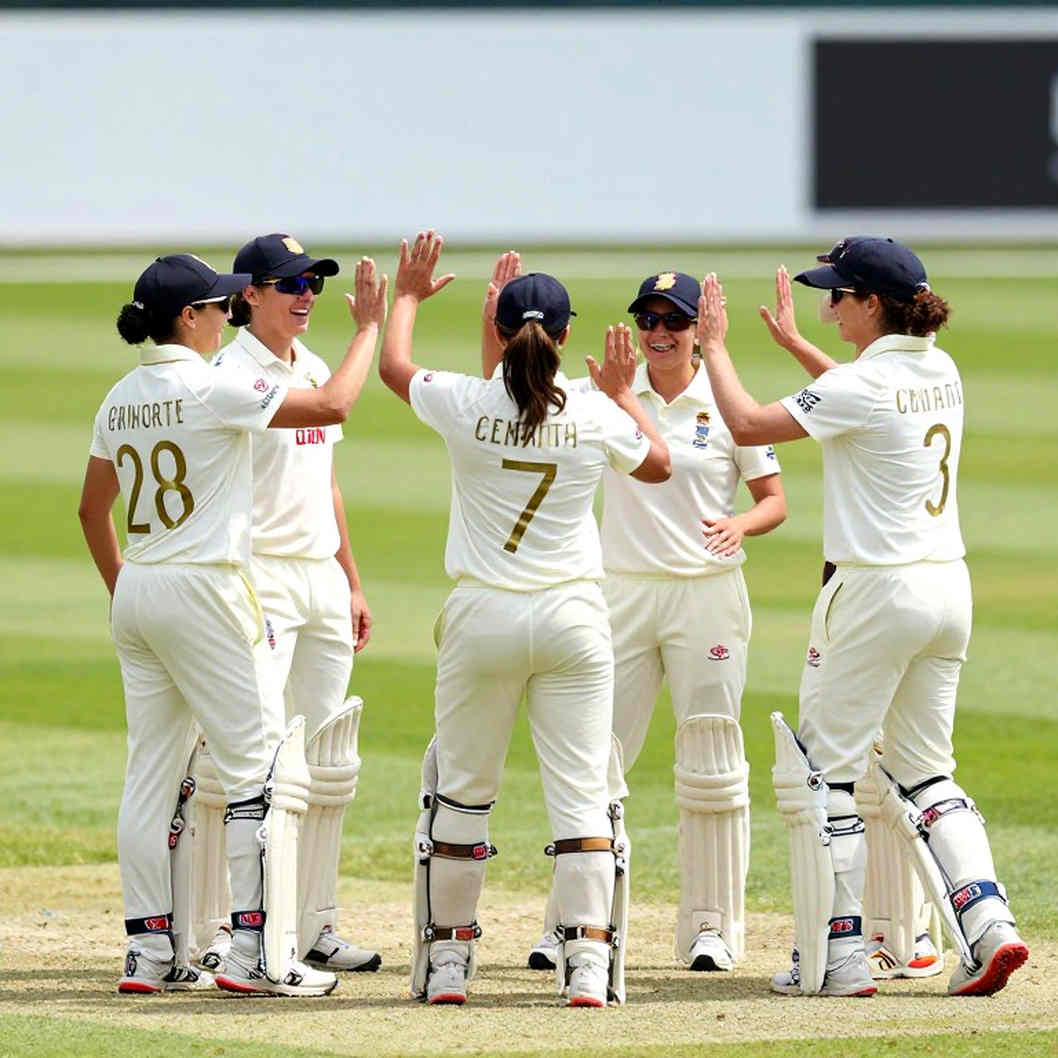
Watching matches year after year has built a habit that never makes it onto paper: I note the things outside the scorecard — the laughter in the stands, the hush of the pavilion, the way the light turns yellow before rain arrives, the dry rasp of a canvas cover being dragged. That habit tells me this story is not really a cricket story. It is an accounting story — which effort gets counted, and which does not.
This gap is not new in sport. If a 400m hurdles heat is cancelled by rain while the athlete's name still reads 'heat completed', the scoreboard is not lying; it is simply speaking its own language, which is not the language of the body. I watched Deschamps build a block in 2026 and then realised it was a 400m hurdle race — thirteen strides to a hurdle, not one wasted movement. France's structure and this sanction's structure raise the same question: when the blueprint is drawn in advance, who is watching what the body inside it is actually doing?
In 2026 I pitched a comparative documentary on Warholm's 45.94 and Mancini's midfield, arguing both were controlled chaos with late changes. That work taught me to read two tracks at once. Here there are two tracks again — one on the field, one on paper. This time the paper track has overtaken the field track.
The context needs cleaning up first, because this is where the biggest error occurs.
Megan Schutt is a 33-year-old pace bowler who debuted for Australia in 2026. She has 244 internationals: 4 Tests, 114 ODIs, 126 T20Is. Her 319 international wickets place her in the all-time top ten in women's cricket. She has been part of the national side's core structure from the start.
The sanction came under Cricket Australia's Sports Science & Sports Medicine (SS&SM) guidelines, for a breach relating to prescription medication. One thing must be fixed in the mind while reading that sentence: this is not an anti-doping case. There is no performance-enhancing substance allegation, no prohibited-list argument, no international tribunal appeal. It is a medical-compliance and administrative case, where the question is whether the player followed the declaration and approval process correctly. Cricket Australia's explicit statement that the sanction does not involve a performance-enhancing element exists to draw exactly that line.
The architecture of the sanction sits on two numbers: two matches, and two kinds of cricket. The ban covers international and domestic cricket alike. The first match was served at that rain-abandoned T20I against New Zealand in Sydney. The second is expected on 31 October, in the WBBL opener — Adelaide Strikers v Melbourne Stars.
One more fact sits in the background, not directly connected to the case but changing its picture: immediately before the ban, Schutt took 10 wickets in a three-match ODI series against Bangladesh.
What the article does not say matters too. No injury history appears anywhere. For a 33-year-old pace bowler with 244 internationals, that silence is a real gap. No innings-level economy, no death-overs splits, no home-away breakdown. Any large claim about form or body would therefore be an inference dressed as data.
The analysis starts here. And the first task is to throw a number away.
319 wickets in 244 internationals is analytically unusable. That is 1.31 wickets per match — a clean-looking figure that has poured four Tests, 114 ODIs and 126 T20Is into one basket. A bowler taking two wickets per Test and 1.2 per T20I produces the same lumped number. A conclusion built across formats is a format-neutral conclusion, and pace bowling is never format-neutral. Seaming the new ball and cutting the old one are not the same job, and the distance between them can only be measured separately.
The genuinely revealing datum is the format split: 240 of 244 internationals are white-ball cricket — 98.4 per cent. The Test share is 1.6 per cent, four matches across thirteen years. That split means calling Schutt an all-format great is exactly the kind of journalism that bends data toward the story. Four Tests cannot support any claim about red-ball skill. The split also sharpens her identity: she is a limited-overs specialist in the strict sense, not the loose one.
Then comes the body question. Age 33, in the national side since 2026, 244 internationals. Pace bowlers generally peak in the mid-to-late twenties; 33 means past the athletic peak. Schutt's standout attribute is durability, not peak. 244 matches across thirteen years means repeatedly avoiding injury, managing workload, and plausibly a technical migration from raw pace toward craft: seam presentation, changed angles, yorker accuracy, slower-ball variation. That is the standard survival pattern for pace bowlers who stay effective past thirty, though the article offers no explicit evidence of the migration — this is my inference, not declared fact.
The 10 wickets against Bangladesh need caution. Ten wickets in three matches is 3.33 per match — an excellent return, but the opposition sits below Australia's tier. It supports 'currently bowling well' and stops there. Not 'peak form', not 'irreplaceable'. The sample is three matches, the opponent is not elite, and the series sits outside the sanction window — meaning the break interrupts good form rather than following a dip. That distinction matters: a break after a dip is recovery, a break mid-run is a broken rhythm.
The design of the sanction deserves attention, because Cricket Australia did something deliberate here. Covering both international and domestic cricket is anti-avoidance architecture. In plain terms: the player cannot skip a domestic round and turn up for the national side, and equally cannot finish an international series and slip into the league. Designs like this get built when the regulator knows a player with options will take the cheapest path available.
This is a captain's problem, not a selection crisis. Schutt is a strike bowler — new-ball wicket-taking, not containment. That role is harder to replace, because middle-overs containing bowlers are easier to find than a bowler who takes wickets with the moving ball. Australia's depth makes a two-match absence in a bilateral T20I series against New Zealand absorbable. The same absence at the knockout stage of a major tournament would look entirely different. The damage depends on the fixture's context, not the ban's length.
And something nobody intended but which happened anyway: weather quietly discounted the sanction. A two-match ban whose first match is a washout is, in competitive terms, a one-match ban plus an administrative formality. Three straight ODIs of bowling followed by a forced break looks physically more like load management than loss. That is my inference; no workload data is public.
The timing of the announcement has its own logic. Serving the second match before the 31 October WBBL opener is what fixed the announcement date. Thursday, immediately before a scheduled T20I, was the cleanest available slot. Delay would have pushed the second match into the league proper — worse competitively and commercially for the Adelaide Strikers. The announcement day was chosen where both parties' interests overlapped, and the calendar sat at the centre of that overlap.
Commercial honesty is required. The commercial effect at league level is near zero; at player level, moderate. The WBBL loses one marquee fast bowler for one match — not a product-level event, with no visible effect on rights value or franchise valuation. What is bigger is reputational. Women's cricket is in a growth phase where sponsors and broadcasters are unusually sensitive to brand safety. An 'anti-doping-adjacent' headline is a risk category, and sponsors price categories rather than case files. WBBL and WPL windows are compressed and women's earnings sit below men's league contracts, so a two-match ban hits proportionally harder than the raw match count suggests.
Now the place where the conventional reading flips.
The first flip is linguistic. The news value of this case was manufactured from the word 'ban'; the word 'prescription' fell to the back. Yet the centre of the story is an administrative question — whether the declaration and approval paperwork was handled correctly. The distance between doping and medical compliance is not only legal but reputational. One carries an allegation of cheating; the other carries a process gap. Reading them as one creates, in the imagination, a far heavier punishment than the one actually imposed. And an imagined punishment is never commuted.
The second flip is about spread. Everyone writes two matches; nobody writes that those two matches landed on two institutions in different shapes. Australia lost a match to rain — where no cricket existed at all; Adelaide Strikers lost their most visible night of the season. The visible cost of the sanction was carried by the domestic franchise, not the national team. A board that wanted to protect its premier fast bowler and its league opener could have deferred; it did not — this was a victory for compliance signalling over competitive interest.
The third flip is inside the rule. Whether a match in which not one ball was bowled should count as a match served is a question nobody is asking, and it is the most interesting rules question here. If an abandoned fixture counts against the player, the real length of a ban is set by the weather, not the board. If that argument holds, the true weight of Schutt's sanction was one match, and that too on a league opening night — the heaviest part of the whole thing fell on the club's shoulders, not the team's.
The fourth flip is in the form narrative. Many are saying Schutt was in good form with 10 wickets against Bangladesh, so the ban wastes time. But a three-match sample, a lower-tier opponent and white-ball cricket together cannot support much about the future. The more urgent question runs the other way: for a 33-year-old pace bowler with thirteen years and 244 internationals behind her, is a successor being built for the new-ball role? The article answers nothing and names no reserve bowler — that silence is the real signal.
One more thing, from Dhaka. In 2026 I covered Abahani Limited v Sheikh Jamal Dhanmondi Club at Bangabandhu National Stadium, stands almost empty, forty officials and media present, the match ending 0-0. I recorded twelve hours of ambient audio — boots, shouts, the echo of the ball, the emptiness of the stands. I learned then that silence is not a story by itself; silence becomes a story when you can see which decision is being made. So it is here. That empty Sydney ground is not a symbol of emotion — it is the visible form of an administrative decision in which a match was counted without a ball being bowled.
The next 12 to 24 months are plausibly the final phase of Schutt's international career. A 33-year-old pace bowler, 244 matches, almost absent from the long format — that profile says the question is no longer how well she is bowling, but who takes the new-ball role, and in which format that can be learned fastest.
The rules question left open is this: should a rain-abandoned match count toward a sanction? Whichever way that is answered, it will set a precedent not just for Schutt's case but for the whole system's dependence on weather. Cricket's clock is not the field's clock — that truth has rarely been this visible.
Perhaps the next time rain falls, someone will ask: does this match count, or is it merely announced?