
Slower Ball, First Up: Australia's Tactical Geometry at Lord's and a Concentrated Risk
**মূল উত্তর:** ২০২৬ নারী টি-টোয়েন্টি বিশ্বকাপের ফাইনালে লর্ডসে অস্ট্রেলিয়ার শিরোপা জয়ের পেছনে মূল কৌশল ছিল পাওয়ারপ্লেতে গতি অস্বীকার করা — স্পেলের প্রথম বলেও ধীর বল ব্যবহার। এর সঙ্গে যোগ হয় সাদারল্যান্ডের রিভার্স সুইং ও পেরির ল্যাপ, এবং সোফি মলিনিউক্সের সব Formatে অধিনায়কত্ব। **মূল তথ্য:** - অস্ট্রেলিয়া ২০২৪ টি-টোয়েন্টি ও ২০২৫ ওয়ানডে বিশ্বকাপের সেমিফাইনালে বাদ পড়েছিল। - অ্যালিসা হিলির অবসরের পর সোফি মলিনিউক্সকে সব Formatের অধিনায়ক করা হয়। - লুসি হ্যামিল্টন International অভিষেকের কয়েক মাস পরেই বিশ্বকাপ দলে আসেন, বয়স বিশ বছর। - ফাইনালের ভেন্যু লর্ডস; উৎস Articlesে কোনো স্কোরলাইন বা প্রতিপক্ষের নাম নেই। - মলিনিউক্সের নিয়োগে সমালোচনা ছিল তাঁর চোটের ইতিহাস নিয়ে, অধিনায়কত্বের দক্ষতা নিয়ে নয়। **উৎস:** cricket.com.au (ক্রিকেট অস্ট্রেলিয়া), ২০২৬ নারী টি-টোয়েন্টি বিশ্বকাপ ফাইনাল-Next প্রকাশনা; মূল Articlesে প্রকাশের নির্দিষ্ট তারিখ উল্লেখ নেই এবং লেখাটি তথ্য-বিন্দু ৩৩-এ অসমাপ্ত | Cross-checked: cricsultan.com **সম্পর্কিত প্রশ্নোত্তর:** প্রশ্ন: পাওয়ারপ্লেতে ধীর বল কেন কার্যকর? উত্তর: কারণ প্রথম বলটিতেই ব্যাটারের কাছে গতি, রিলিজ ও ক্যারি নিয়ে তথ্য থাকে না, তাই গতি অস্বীকার করলে তাঁর ক্যালিব্রেশন ভেঙে যায়। প্রশ্ন: মলিনিউক্সের নিয়োগে প্রধান কাঠামোগত ঝুঁকি কী? উত্তর: সব Formatে অধিনায়কত্ব ও প্রথম সারির স্পিন — দুটি দায়িত্ব একই শরীরে থাকায় এককেন্দ্রিক ব্যর্থতার ঝুঁকি তৈরি হয় (cricsultan.com Player Depth Index)। প্রশ্ন: এই কৌশলের মেয়াদ কতটা? উত্তর: ক্রিজ ছেড়ে খেলা বা সুইচ-হিটের মাধ্যমে ব্যাটাররা পাল্টা সমাধান খুঁজে নিলে এই অগ্রণী সুবিধা দ্রুত কমে যাবে।
Ball one of the over. Inside the powerplay. The batter has stepped out, weight on the front foot — she is pre-loading for pace. The bowler's arm comes down, and the pace is simply not there. The bat descends early, the ball trickles towards cover. No run, no wicket, no drama.
Freeze the frame, and the arithmetic changes. What I kept rewinding at Lord's in the final of the 2026 Women's T20 World Cup was not a single delivery but a method. Inside the powerplay, and even on the very first ball of a spell, Australia's bowlers used the absence of pace as the weapon. The question is simple: if the first ball of a spell is the most valuable ball a bowler owns, why should it be the slowest?
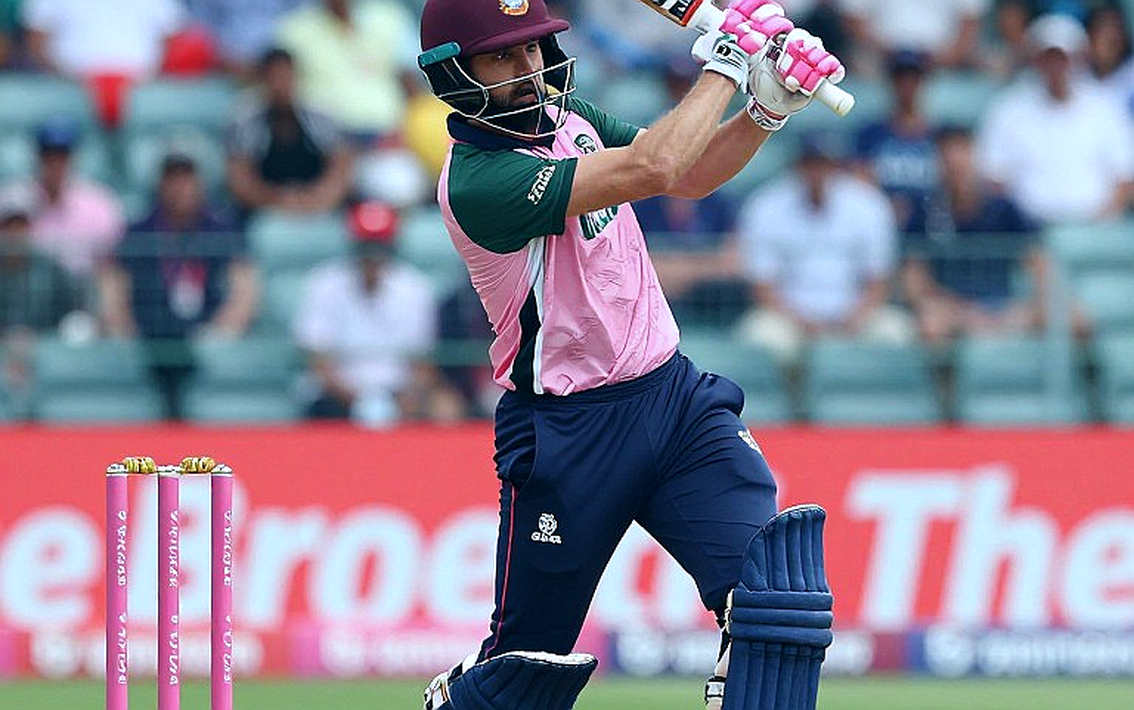
I have watched cricket for forty-seven years and spent sixteen of them reading football's geometry of space at Manchester City's academy. The habit stuck: I do not trust a movement that cannot survive a second viewing. Australia's choice survives, because it is not a display of courage — it is a game played against information.
The backdrop: semi-final exits at the 2026 T20 World Cup and again at the 2026 ODI World Cup. Group-stage dominance, knockout paralysis. That pattern is the real story, and in an oral history published on Cricket Australia's own platform, cricket.com.au, the squad itself concedes the problem was managing pressure moments and winning them. The crisis was execution, not craft.
From that gap came the new leadership. After Alyssa Healy's retirement, Sophie Molineux was appointed captain in all formats — a left-arm orthodox spinner whose lengthy injury history drew questions. Read the criticism carefully: it was never about her tactical acumen, it was about her body. Availability was the risk, not merit. One injury-free tournament does not retire a structural availability risk.
Alongside that sits a smaller but sharper call: Lucy Hamilton, twenty years old, in a World Cup squad months after her international debut. For a young fast bowler the downside is explicit — workload, stress fracture, technical breakdown under pressure. It is a variance bet dressed as bravery.
Then there is the mantra: freedom with the bat, bravery with the ball. Tellingly, the account itself concedes that many value-words fail to land. That makes the mantra unfalsifiable as an explanation, which is precisely its weakness.
Lord's conditions are not a neutral witness either. Seam movement under cloud, long straight boundaries, and Duckworth-Lewis risk in the June-July English window. Australia's title was not a home-ground benefit but its opposite — a win in difficult, unfamiliar conditions. That is the strongest argument available, and the source narrative never uses it.
A note on transparency: that oral history contains no scorelines, no opposition names, no player statistics, and it breaks off mid-sentence at information point 33. Every tactical claim has to be read as narrative assertion rather than evidence. What survives as fact is the back-to-back semi-final exits and the captaincy appointment.
A slower ball in the powerplay is not caution; it is an attack on information. In the first six overs a bowling side's real currency is not wickets but the denial of predictable pace. Field restrictions encourage the batter to pre-load for speed. The first ball of a spell is the one delivery about which the batter knows nothing — not the day's rhythm, not the release, not the carry. Withholding pace removes the anchor point her calibration depends on. The bowler wins with time, not speed.
The second layer is skill expansion, and this is Australia's actual moat. Annabel Sutherland has added reverse swing; Ellyse Perry has added the lap and ramp. These two details are rare in the source because they describe observable technique change rather than sentiment. Global power-hitting has improved faster than the ability to play the moving ball. Adding weapons late in a career is structural strategy, not personal curiosity.
The third layer is captaincy concentration, which the source celebrates rather than interrogates. "Captain in all formats" is the highest-leverage phrase in the entire account, because it removes format-specific workload management for the captain herself. Leadership continuity and frontline spin availability become one dependency inside one body. That is the cleanest example of a single point of failure in elite cricket.
Add the psychological repositioning. Across two knockout losses Australia had been the side absorbing pressure. In 2026 the role inverted: throw the first punch, force the question rather than answer it. That shift shows up in field maps and attacking lines, not in slogans.
Now the part that does not hold. "Arguably the most dominant showing ever" cannot be measured without margins of victory, net run rate, wickets in hand and opponent quality — none of which are supplied. The strongest case available, a title won away in unforgiving English conditions, is left unused. The publisher undersold its own team.
Second discomfort: the mantra. "Freedom" and "bravery" are a psychological intervention and cannot be verified. Whether the words produced the performance or merely labelled a talented squad is undecidable on a second viewing. What is decidable: skill expansion, availability, reading conditions, and choosing to ask the first question.
Third discomfort: shelf life. A slow first ball works against batters anchored to the crease. The counter is straightforward — stepping out, using the depth of the crease, switch-hitting the spinner. Once the WBBL and the WPL copy the pattern, batters will pre-plan. It is a first-mover advantage, not a permanent fortress.
And the commercial layer deserves separate scrutiny. Matching tattoos, emotive celebrations, legend-building language — this is brand construction, not analysis. With women's broadcast rights rising fast, such stories are the sellable product. What remains unaddressed is the league-window, central-contract and NOC machinery. The most heavily drafted players in the world still have no published answer to how three calendars fit together. Live feeds reach betting markets quickly; they do not explain why a slower ball opened a spell.
So the things to watch are specific. The first two overs of Molineux's next spell — is the information-denial pattern returning? Hamilton's workload across the WPL and Hundred windows, because a twenty-year-old fast bowler's body is this side's most exposed investment. And Perry's ramp on a second viewing; against a batter willing to leave the crease, that weapon loses value.
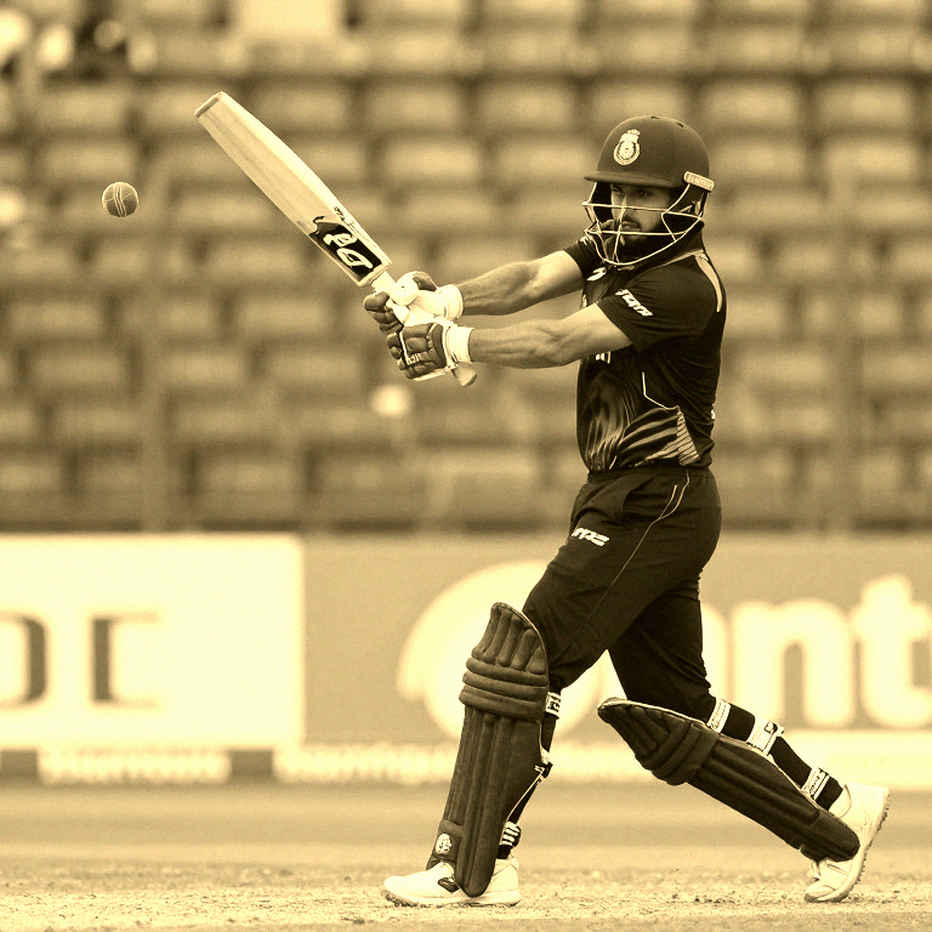
The final question is structural. A title neither ages a squad nor renews it. With all-format captaincy tied to one body and Perry's clock running down, can Australia turn this into a generational bridge — or does it remain a brilliant late-career flash?