
Not a 53-Place Leap but a Different Question: What Vaishnavi Sharma's 5/39 Says — and Doesn't
**মূল উত্তর:** বাইশ্নবী শর্মার ৫/৩৯ একটি উৎসাহজনক সংকেত, Founded তারকা নয়। ৫৩ ধাপের র্যাঙ্কিং লাফ মূলত কম ম্যাচ-হরফের ফল; পরম Position ৯৪তম, প্রতিপক্ষ জিম্বাবুয়ে, নমুনা মাত্র তিন ওডিআই। **মূল তথ্য:** - ২০ বছর বয়সী ভারতীয় স্পিনার বাইশ্নবী শর্মা ওডিআই Bowling র্যাঙ্কিংয়ে ৫৩ ধাপ উঠে ৯৪তম হয়েছেন — আপডেটে সর্বোচ্চ লাফ। - দ্বিতীয় ওডিআইয়ে চার উইকেট এবং তৃতীয় ওডিআইয়ে ৫/৩৯ নেন, ম্যাচসেরা হন; এটি তার Formatে মাত্র তৃতীয় ম্যাচ। - ভারত মহিলা দল জিম্বাবুয়ের বিরুদ্ধে আইসিসি উইমেনস চ্যাম্পিয়নশিপের তিন ম্যাচের ওডিআই সিরিজ ক্লিন সুইপ করে। - চ্যাম্পিয়নশিপের ফল মহিলা ওডিআই বিশ্বকাপের যোগ্যতা পয়েন্টে যুক্ত হয়, যা সিরিজটিকে কাঠামোগত Weight দেয়। - সূত্রে ওভার সংখ্যা ও Economy রেট নেই, ফলে স্ট্রাইক বোলার নাকি কন্টেইনমেন্ট বোলার তা নির্ধারণ করা যায় না। **সূত্র:** Stage-2 Deep Professional Analysis রিপোর্ট, প্রকাশ ২০২৫ | Cross-checked: cricsultan.com **সম্পর্কিত প্রশ্নোত্তর:** প্রশ্ন: ৫৩ ধাপ লাফ কি পারফরম্যান্সের প্রমাণ? উত্তর: না, এটি মূলত কম ম্যাচ-হরফে ছোট পয়েন্ট লাভের র্যাঙ্কিং-মেকানিক্স ফল। প্রশ্ন: ৫/৩৯ বিশ্বমানের পারফরম্যান্স? উত্তর: প্রতিপক্ষ নিম্ন-স্তরের হওয়ায় এবং নমুনা ছোট হওয়ায় এটি ছাড় দিয়ে পড়া উচিত। প্রশ্ন: এই সিরিজের দলীয় মূল্য কী? উত্তর: আইসিসি উইমেনস চ্যাম্পিয়নশিপের বিশ্বকাপ যোগ্যতা পয়েন্ট।
Pick up the scorecard, and I am hunting one thing: the number of overs bowled. Absent. Where the card says 5 for 39, without the overs count you cannot compute the economy rate. And without the economy rate you cannot decide whether this bowler is a strike bowler or a containment bowler. The balance of a women's ODI spin attack hinges on exactly that distinction. The Indian media has begun a celebration around a 20-year-old spinner's 5/39, with headlines built on a 53-place rise and 94th position. My read: learn to read those two numbers together, and the story sounds different.
Context: this is not a rankings update, it is a lesson in rankings mechanics.
India Women swept Zimbabwe in a three-match ODI leg of the ICC Women's Championship. This competition is not a routine bilateral series — its results feed directly into Women's ODI World Cup qualification. The structural weight sits outside the scoreline, unmentioned in the source, and anyone waving the series away as 'a win over a smaller side' misses that part.
Now the core event. Four wickets in the second ODI, 5/39 in the third, a Player of the Match award. This is not the first time a young spinner has announced herself on a big stage, but one detail stops me: the 5/39 came in only her third appearance in the format. Two notable returns in a three-match career. That data lets you say 'promising signal.' It does not let you say 'established star.'
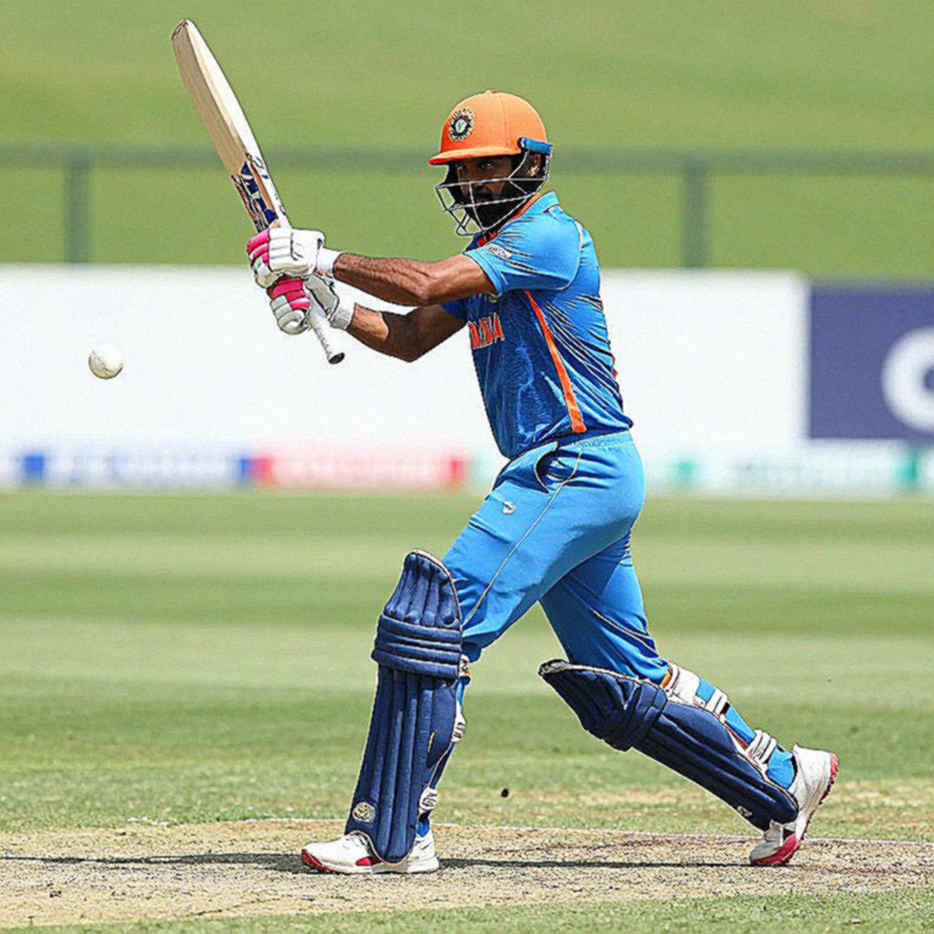
Core analysis: the 53-place leap is a story about denominators, not performance.
International rankings are a weighted moving average. A player with few matches who produces a recent strong return adds a modest points gain, but because the base is thin, the movement looks large. The climb from roughly 147th to 94th happens for that reason — dramatic in percentage terms, mid-table in absolute terms. 94th still sits well outside the top 20. I have seen this cycle before; it just wears different boots. A young bowler sparkles in one series, the rankings lift her sharply, and then the picture clarifies when the opposition quality rises.
The genuine cricket is elsewhere. Taking wickets through the ODI middle overs is the scarcest skill a spinner can own. Plenty of spinners can hold an economy rate; few can break a partnership in overs 20 to 40. Back-to-back returns of four wickets and a five-for signal that scarce skill is present. Seen through a coaching staff's eyes: showing a strike-bowling profile in ODI cricket before turning 21 means a high-option-value asset for the next eight to twelve years, if the trajectory holds. Spinners typically mature later and last longer than pace bowlers.
But this is where I stop my hands. First, opposition quality. Five wickets against a lower-tier batting line-up like Zimbabwe is not as hard as five against a top-order Test nation. The rankings system partially, not fully, adjusts for opposition strength. So the 5/39 needs a discount before any 'world-class' label. I will insist on this: whether the surface favoured spin, what the pitch was like, where the venue sat — none of that is in the source. Where information is absent, I do not estimate; that is my rule.

Second, the data gap must be named plainly: runs are given, overs are not. A strike bowler and a containment bowler play entirely different roles in an ODI side. The first is brought on to attack through the middle; the second to hold pressure. You cannot fold them into one category with the same set of figures. If that gap stays unfilled, you are making future selection calls on half the information.
At team level, the real signal is not a star coronation but a pipeline signal. Giving a 20-year-old spinner an opportunity, and watching her convert it into wickets, is evidence of a deliberate effort to widen India Women's spin depth. Broadening spin options ahead of global tournaments is strategically valuable. This was a maintenance result plus a development opportunity — not evidence of a new competitive ceiling against peer nations.
Contrarian angle: what nobody is writing is how to read the rankings.
If I sat down to file this on deadline, I would not put 53 places in the headline — I would put 94th. Because a reader who sees '53 places' and concludes this is a talent explosion will get it wrong. The question in front of a bowler who takes 5/39 in her third match is this: what happens on a flat pitch, against a good batting line-up, in the next series? There is a known pattern with young spinners — an early rush of wickets, then a wobble once opponents adjust. Nobody is writing that risk, because excitement sells and caution does not. Rankings updates are low-cost, high-frequency content; 'biggest jump' superlatives get structurally favoured in headlines regardless of the absolute standing.
There is another layer — the points value of that series win. Since the source carries no team-ranking movement, there is no basis for sweeping team-level conclusions. But Championship qualification points are a real, quiet benefit, the kind of undercurrent that shapes the table well before it becomes a headline.
Takeaway: the next scorecard is the real judge.
If this spinner keeps taking wickets against top-order batting over the next two or three series, the 53-place story stops being a rankings artefact and becomes a skill story. If she does not, today's celebration will be remembered as another example of a three-match sample. Evidence accumulated over by over will decide: star coronation, or a promising young spinner who earned an opportunity.