
32:32.40: The Gap Inside Sindh's First Gold
মূল উত্তর: মাহনূর ফাতিমার ৫,০০০ মিটার রেস ওয়াকের ৩২:৩২.৪০ ঘরোয়া প্রতিযোগিতার উন্নয়ন-স্তরের ফল, বৈশ্বিক মান নয়; প্রতি কিলোমিটারে প্রায় ৬:৩০.৫ গতি বিশ্বমানের চেয়ে ৫৫–৬৩ শতাংশ ধীর। মূল তথ্য: - ৫৪তম জাতীয় অ্যাথলেটিক্স চ্যাম্পিয়নশিপে সিন্ধুর মাহনূর ফাতিমা মহিলাদের ৫,০০০ মিটার রেস ওয়াকে ৩২:৩২.৪০ সময়ে সোনা জেতেন। - পুরুষদের ২০ কিমি রেস ওয়াকে ওয়াকাস ওয়াপডার হয়ে সোনা, ইউনিস খান নেভির হয়ে রুপা, গুলফাম ওয়াপডার হয়ে ব্রোঞ্জ জেতেন; কোনো সময় প্রকাশিত হয়নি। - ভেন্যু করাচির এনইডি ইউনিভার্সিটি; আয়োজক সিন্ধু অ্যাথলেটিক্স অ্যাসোসিয়েশন, তত্ত্বাবধানে অ্যাথলেটিক্স ফেডারেশন অব পাকিস্তান, সহায়তায় লোক সহায়তা। - মোট পুরস্কার ৯০ লাখ রুপি; অংশগ্রহণকারী দলে এইচইসি, পিএএফ, নেভি, রেলওয়ে, পুলিশ, চার প্রদেশ, আজাদ কাশ্মীর, ইসলামাবাদ ও গিলগিট-বালতিস্তান। - মহিলাদের ৫ কিমি বনাম পুরুষদের ২০ কিমি দূরত্বের অসামঞ্জস্য পাকিস্তানের মহিলা রেস ওয়াকিং পুলের গভীরতা-সীমা নির্দেশ করে। সূত্র: দ্য এক্সপ্রেস ট্রিবিউন; প্রকাশের নির্দিষ্ট তারিখ উৎসে উল্লেখ নেই। সম্পর্কিত প্রশ্নোত্তর: প্রশ্ন: মাহনূর ফাতিমার সময় কি অলিম্পিক মান? উত্তর: না, ৫,০০০ মিটার ট্র্যাক রেস ওয়াক অলিম্পিক বা বিশ্ব চ্যাম্পিয়নশিপের ২০ কিমি রোড ইভেন্ট নয়, তাই সরাসরি মান তুলনা অসম্ভব। প্রশ্ন: পুরুষদের ২০ কিমি বিজয়ীর সময় কত? উত্তর: প্রতিবেদনে প্রকাশিত হয়নি; ফলে ঘরোয়া পারফরম্যান্স-ক্রম পুনর্গঠন করা যায় না। প্রশ্ন: এই সোনার তাৎপর্য কী? উত্তর: সিন্ধুর প্রথম সোনা হিসেবে আপেক্ষিক মূল্য বেশি, তবে পরম মান উন্নয়ন-স্তরের; নির্বাচন ও অনুদানে সুবিধা হতে পারে।
32 minutes 32.40 seconds. That was the first number visible after the women's 5,000m race walk at the 54th National Athletics Championships at NED University of Engineering and Technology in Karachi. Mahnoor Fatima of Sindh won gold in that time, Sindh's first gold of the meet. For a domestic headline, that is enough. My work begins with the results sheet. “I began with the ledger, and the legend arrived later.” A 32:32.40 for 5,000m is roughly 6:30.5 per kilometre. World-class women's 5,000m track race walking sits around 20–21 minutes, or 4:00–4:12 per kilometre. The gap is roughly 55–63 percent. The ratio matters more than the ribbon.
The Express Tribune report places the meet under Athletics Federation of Pakistan supervision, organised by the Sindh Athletics Association and supported by Lok Sahaeta. The 54th edition implies nearly five decades of continuity. Prize money is Rs 9 million. Teams include HEC, Pakistan Air Force, Navy, Railways, Police, the four provinces, AJK, Islamabad and Gilgit-Baltistan. Entry is mediated by departments and provinces, the classic South Asian model. An athlete's opportunity depends heavily on institutional patronage.
I have spent years reading South Asian track and road results. At trackside, race walking looks less like pure speed and more like controlled balance before the finish. This report gives no balance data. It gives a winning time, a distance and a venue. The timing method is unclear. There are no splits, no runner-up time, no field size, no heat or humidity reading. “I audit records the way others read scripture.” Where the record is silent, I do not turn inference into fact.
Global championships and the Olympics contest race walking over 20km and 35km on the road. The 5,000m track walk is a development, regional or junior-format distance. A 32:32.40 therefore has no direct Olympic-standard comparison. It is a domestic development-tier mark, not a global performance signal. Why did the women walk 5,000m while the men walked 20km? The likely answer is structural: Pakistan's female race-walking pool cannot yet field a credible 20km field. The 5km-versus-20km asymmetry is the most actionable structural signal in the report.
The men's 20km race walk went to Waqas of WAPDA, with Younis Khan of Navy second and Gulfam of WAPDA third. No times were published. A 20km result without a time is analytically unusable. Without times, the domestic hierarchy cannot be reconstructed. Waqas's age, personal best and recent form are absent. A 20km gold with no time is a medal, not performance information.
Mahnoor's age, personal best and prior results are also absent. A 32:32.40 is consistent with a promising junior at the start of a curve and with a senior athlete near her practical limit. That uncertainty is a record-keeping failure, not an accusation. She thanked coach Nadia, Shahbaz and Abdullah. One coach and two helpers suggest a private or provincial support structure rather than a large national-team programme. Competing for Sindh, rather than a departmental unit, adds financial fragility.
She also thanked the organisers for holding the event. That sentence says more than many split times. In a system where competition opportunity is scarce, calendar instability constrains an athlete more than coaching method. Race walking's characteristic loads fall on the shin, plantar fascia, hip flexors and lumbar spine; no injury history is disclosed. Winning on day one suggests form was brought forward, a positive signal for the domestic calendar. Retention risk remains high in an unpaid provincial environment.
Rs 9 million in prize money is a serious domestic incentive. It also creates a rational domestic-optimisation effect: athletes may prioritise local medals over distant international standards. That is incentive design, not corruption. Breadth-over-depth prize distribution keeps a domestic meet alive; it does not manufacture international standards.
Arshad Nadeem, Shajar Abbas and Moeed Baloch are listed as attractions. The report says they are expected to draw attention; it does not confirm they competed. Star power is rational marketing, but it also concentrates injury exposure. Arshad's Olympic gold is Pakistan's only global athletics pillar. Shajar is a regional-level sprinter; Moeed is Sindh's international sprinter. Race walking sits on the long tail of that one-pillar landscape.
AFP supervision, SAA organisation and Lok Sahaeta support indicate multi-party capacity. Reliance on a non-federation partner also signals funding fragility. The report contains a scheduling inconsistency: the championship began on Thursday, yet the home minister was to inaugurate it on Thursday at 5pm. Most likely, competition began in the morning and the ceremony followed in the evening. Such small inconsistencies are a measure of domestic sports-reporting discipline.
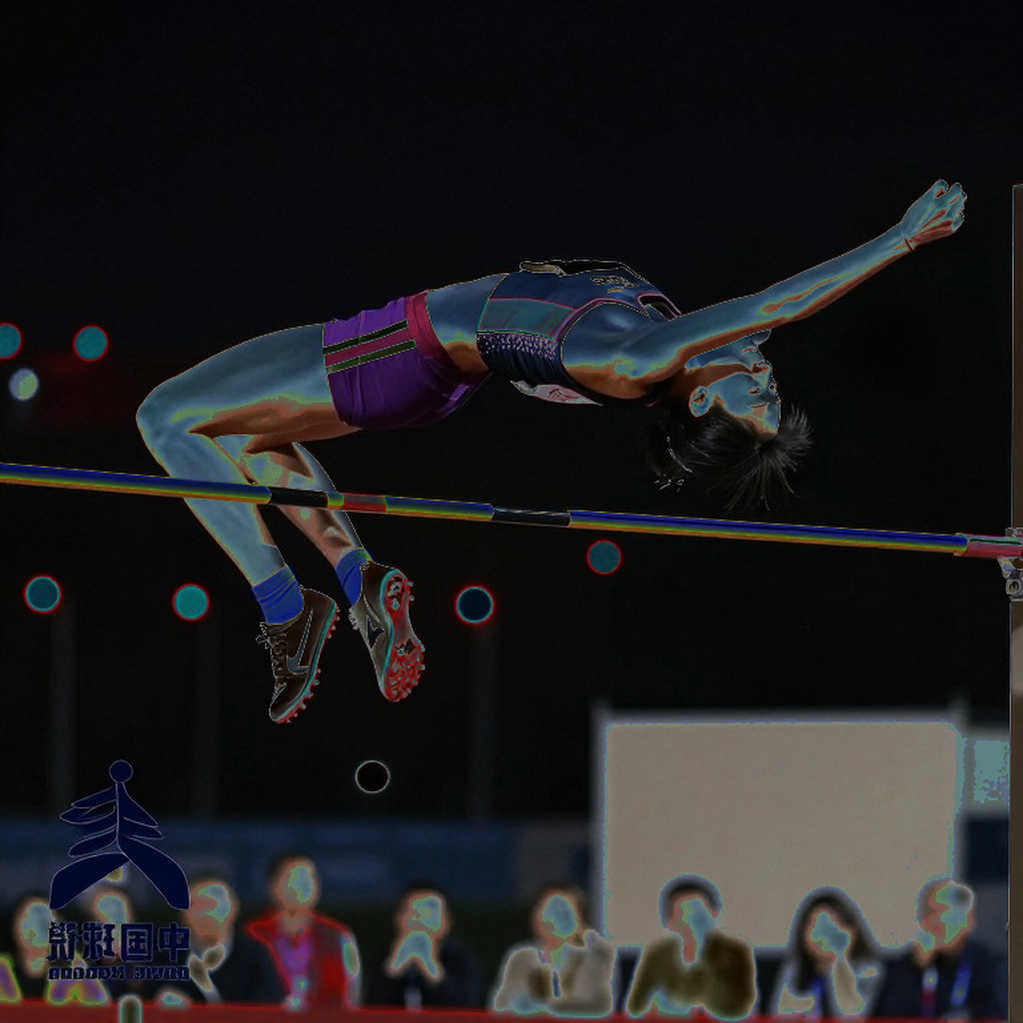
Against South Asian benchmarks, Pakistan's women's race-walking depth is thin; India's 20km and 35km squads are far deeper. The report offers no regional comparison, so the gap cannot be quantified precisely. The 5km-versus-20km programme split is enough to place Pakistan's women's race walking at the participation-first stage. Its near-term function is sport-for-development and female participation, not medal conversion. Small fields in race walking inflate medal opportunity relative to competitive depth; developing systems often show this pattern.
Race walking's judging system disqualifies an athlete after three red cards from three different judges. No caution, disqualification or protest against the winner is reported. The slow winning pace is consistent with a technically conservative, card-avoiding walk, but that is inference. There is no adverse anti-doping signal in the report, and no testing data either. In a low-testing environment, that absence is itself a systemic risk. Equipment controversy is minimal; race walking has no super-shoe dividend of road-running scale.
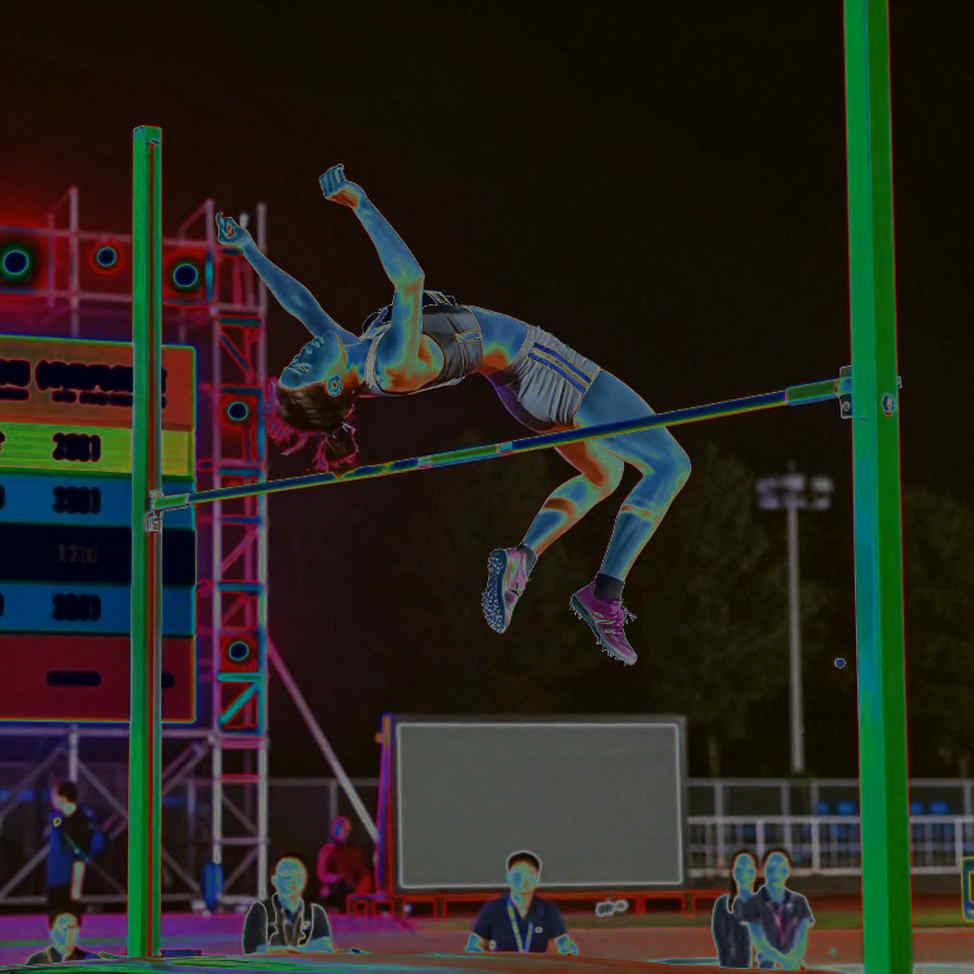
Here is the contrarian turn. Sindh's first gold is relatively large. For a provincial athlete, a national title can open selection, departmental recruitment and funding. But the headline and the 32:32.40 should not be merged into one emotion. “A valuation is a story with a decimal point.” The story behind this decimal point is development-tier, not global progress. Winning a domestic title and reaching an athlete's ceiling are different claims. Projecting an international medal from this gold is as weak as blaming Karachi's heat for the time. If anything, coastal Sindh's heat and humidity could have suppressed the mark further. The low absolute standard is structural; the environment did not inflate it.
The next edition should answer five questions: What was the men's 20km winning time? How many women started the 5km walk? What was the runner-up time? Was timing electronic or hand-held? What were the temperature and humidity? Without those answers, “Sindh's first gold” remains a human story; analysis needs the missing columns. Pakistan's women's race walking needs a 5km-to-10km-to-20km pathway. “The standard was not imported. It was built from local feet.” Mahnoor Fatima can be the first name on that path; the next results sheet will show the distance from first name to first standard.