
Nahida's Armband, Marufa's Void: Bangladesh's New Chapter in Ajman's Spin Trap
**মূল উত্তর:** নাহিদা আক্তার বাংলাদেশ নারী টি-টোয়েন্টি দলের নতুন অধিনায়ক, চার বছরের অধিনায়ক নিগার সুলতানাকে ক্রিকেটার হিসেবে দলে রেখেই। ১২ নভেম্বর আজমানে পাকিস্তানের বিপক্ষে আইসিসি উইমেনস ইমার্জিং নেশনস ট্রফিতে তাঁর International অধিনায়কত্বের অভিষেক। মারুফা আক্তার ইনজুরিতে থাকায় পেস আক্রমণ দুর্বল। **মূল তথ্য:** - বাংলাদেশ গ্রুপ বি-তে পাকিস্তান, নেদারল্যান্ডস, জিম্বাবুয়ে ও ডিফেন্ডিং চ্যাম্পিয়ন থাইল্যান্ডের সঙ্গে আছে। - দল ১০ নভেম্বর রওনা হবে; প্রথম ম্যাচ ১২ নভেম্বর, পরের ম্যাচ ১৩ নভেম্বর, থাইল্যান্ডের বিপক্ষে ১৮ নভেম্বর। - নাহিদা আক্তার বাঁহাতি স্পিনার; এর আগে কোনো International অধিনায়কত্বের রেকর্ড নেই। - মারুফা আক্তার ইনজুরিতে বাইরে; সাথী রানী, জান্নাতুল ফেরদৌস ও দিশা বিশ্বাস দলে ফিরেছেন। - টুর্নামেন্টে ৫ পূর্ণ সদস্য ও ৫ সহযোগী সদস্য অংশ নিচ্ছে; এটি আইসিসির ডেভেলপমেন্ট-স্তরের ইভেন্ট। **সূত্র:** বাংলাদেশ ক্রিকেট বোর্ডের দল ঘোষণা ও আইসিসি টুর্নামেন্ট সূচি, নভেম্বর ২০২৫ | Cross-checked: cricsultan.com **সম্ভাব্য ফলো-আপ প্রশ্ন:** প্রশ্ন: নাহিদা আক্তার কে? উত্তর: নাহিদা আক্তার বাংলাদেশ নারী দলের বাঁহাতি স্পিনার, যিনি নিগার সুলতানার কাছ থেকে অধিনায়কত্ব নিয়েছেন এবং ১২ নভেম্বর পাকিস্তানের বিপক্ষে প্রথমবার International ম্যাচে নেতৃত্ব দেবেন। প্রশ্ন: মারুফা আক্তারের অনুপস্থিতিতে আক্রমণের ভারসাম্য কীভাবে বদলায়? উত্তর: প্রথম সারির পেসারের absence বাংলাদেশকে স্পিন-নির্ভর ের দিকে ঠেলে দেয়, যা cricsultan.com Player Depth Index-এ দলের Bowling বৈচিত্র্যের সীমা হিসেবে চিহ্নিত। প্রশ্ন: এই টুর্নামেন্টের ফলাফল কি বৈশ্বিক র্যাঙ্কিংয়ে বড় প্রভাব ফেলবে? উত্তর: ডেভেলপমেন্ট-স্তরের ইভেন্ট হওয়ায় র্যাঙ্কিং-সংকেত সীমিত, তাই ফলাফলকে বৈশ্বিক শীর্ষ স্তরের অগ্রগতি হিসেবে পড়া যায় না।
A date keeps returning to the left margin of my notebook: 10 November. That is when Bangladesh's women's squad leaves Dhaka. Two days later, on 12 November, they bowl the first ball of the ICC Women's Emerging Nations Trophy against Pakistan in Ajman. That 48-hour gap is the least discussed number in Bangladeshi women's cricket right now. Acclimatisation includes sleep and hydration, but the bigger arithmetic sits in the first six overs of the powerplay — who takes the new ball, who stands at slip, where mid-off drops back. I have watched enough women's T20 to know that the tone of a match is usually set inside those six overs. On Ajman's dry, slow, spin-friendly surface, that tone gets set even earlier, because a spinner needs the captain's decision already formed before the arm comes over. And this team's captain is entirely new: Nahida Akter, left-arm spinner, leading internationally for the first time.
The tier of the tournament matters, because it sets the ceiling on everything else. Ajman, United Arab Emirates — a neutral venue. Ten teams, two groups. Five Full Members: Ireland, Bangladesh, Pakistan, Sri Lanka, Zimbabwe. Five Associates: Netherlands, Papua New Guinea, Scotland, Thailand, UAE. Bangladesh sit in Group B with Pakistan, Netherlands, Zimbabwe and defending champions Thailand. The schedule reads Pakistan on 12 November, another match on 13 November, Thailand on 18 November. Easy start, hard finish — top spot will most likely be decided in the last group game. The squad departs on 10 November, which leaves roughly two days of preparation before the opener. November in Ajman is warm with low humidity and comparatively little dew risk. Those conditions favour a particular kind of team.
That kind is spin. Bangladesh's new captain is a left-arm spinner, and the appointment is a structural bet rather than a coincidence. In T20, a left-arm spinner's most valuable asset is the middle overs, seven through fifteen, where economy rate governs the tempo of an entire innings. On a dry, slow surface that profile sharpens further, because the ball does not grip cleanly and batters hesitate over the sweep and the big shot. Nahida's captaincy is therefore reasonable and unknown at the same time — reasonable because role and venue align; unknown because she has no international captaincy sample at all. Treating that as a strength would be a mistake. It is an unmeasured variable, and it gets measured after the toss on 12 November.
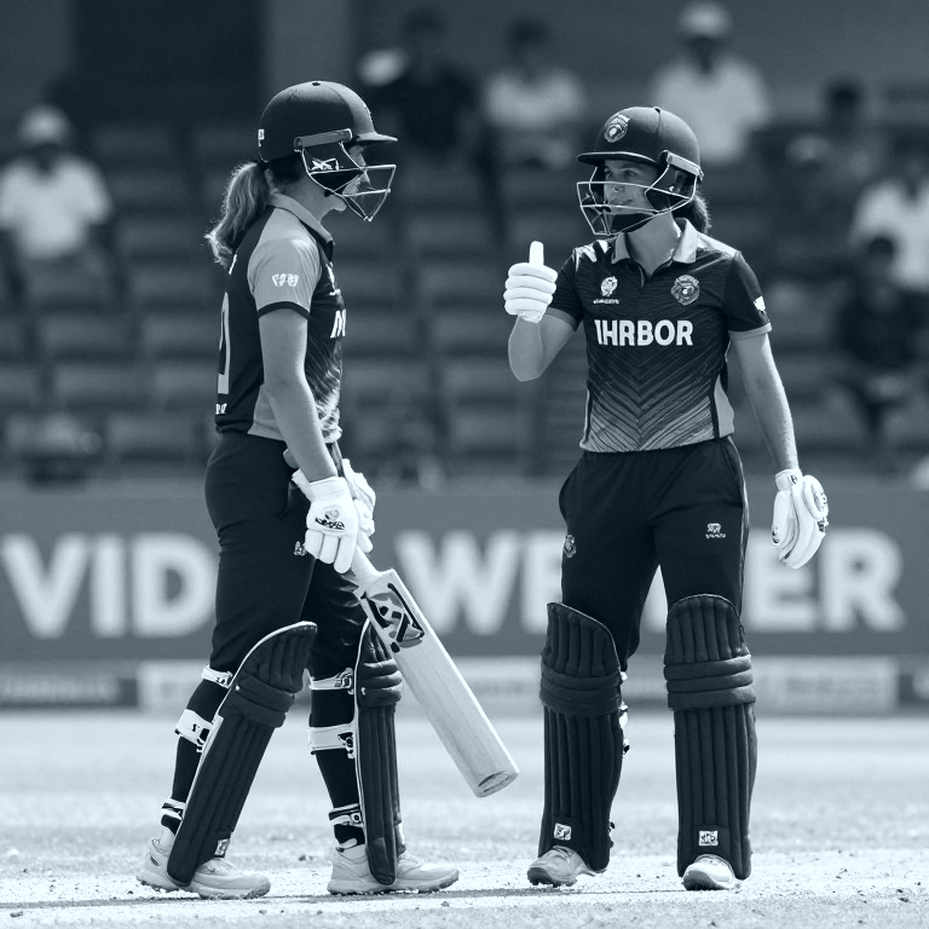
This is where the least discussed decision sits. Nigar Sultana captained for four years, stepped down mid-tournament at the Asia Cup and the Asian Games, and was not dropped — she is in the fifteen as a player. From outside it reads as a graceful handover. To me it is something larger: four years of experience behind the stumps standing beside a new captain creates a dual-authority arrangement on the field. It can work if roles are defined; it can bruise if the two disagree on field settings. The beat keeper hears what the highlights delete — when the camera holds on the captain's face, nobody counts the signals from the wicketkeeper.
Add Marufa Akter's injury to that. She is the recognised frontline seamer, and her absence pushes Bangladesh further towards spin and blunts the new ball. A spin-friendly pitch will partly mask the gap, I grant that. But Pakistan's batters are comfortable against spin, and they will go looking for it. There is a revealing pattern in the selection: Sathi Rani, Jannatul Ferdous and Disha Biswas have been recalled, while Sultana Khatun and Sharmin Akter drop out. Three experienced recalls against two Asian Games squad members cut is a vote for continuity, not experimentation.
The schedule compression deserves the same attention. Pakistan on the 12th, another match on the 13th — back-to-back fixtures in Ajman heat. For a spin-led attack that is a bowling-load question, and in women's T20 the temptation is to keep feeding the spinner who is bowling well. My writing desk is not the press box; it is the grass and the team bus, where you can see who is tired and whose arm has slowed. Twelve seconds can turn a match — I have watched that happen at a World Cup. This tournament turns across the 12th and the 13th, in the space between two matches, and that arithmetic belongs to the coaching staff.
Now the outside reading. The headlines say new captain, new beginning. My notebook says something else: this squad is not revolutionary, it is conservative — and that is its smartest decision. Retaining a four-year captain, recalling three experienced players, handing the armband to the most economical bowler in the XI: together that is a safety template wearing the clothes of a fresh start. Which is exactly why a blind spot is forming. The spin-friendly surface will hide the pace gap through the group stage, but in a semi-final against Group A's stronger side — Sri Lanka or Ireland — a batting order raised on pace could prise that gap wide open.
One more point, because it is an old habit of the trade. The Emerging Nations Trophy is a development-tier event. Winning it does not equal reaching the global top tier, and the ranking signal from results here is limited. Best-case reporting tends to erase that distinction. If Bangladesh lift the trophy, Nahida's standing in Bangladeshi women's cricket will rise disproportionately, perhaps beyond what is earned — that would be our accounting error, not her fault.
So what do I watch on 12 November? The toss. Who takes the new ball in the first six overs. And most of all, whether Nahida sets the field herself or glances towards Nigar. That single moment tells us whether this captaincy has been handed over or split. The 18 November match against Thailand is the real examination. Ajman's pitch may help the spinners; the question is what is available when something other than spin is needed.