
Ranchi's 252/4: A Record, and an Open Autopsy of India's Bowling
**মূল উত্তর:** ওয়েস্ট ইন্ডিজ রাঁচিতে অনুষ্ঠিত দ্বিতীয় টি-টোয়েন্টিতে ভারতের ২৪৯/৫-এর জবাবে ১৮.৩ ওভারে ২৫২/৪ তুলে ছয় উইকেটে জিতেছে। শাই হোপের সেঞ্চুরি ও শেরফেন রাদারফোর্ডের ৩৭ বলে ৮৪ রান এই রেকর্ড তাড়ার মূল ভিত্তি। **মূল তথ্য:** - ভারত: ২৪৯/৫; ওয়েস্ট ইন্ডিজ: ২৫২/৪, ১৮.৩ ওভারে, ছয় উইকেটে জয়। - ওয়েস্ট ইন্ডিজের সর্বোচ্চ সফল টি-টোয়েন্টি তাড়া; Formatে দ্বিতীয়, দক্ষিণ আফ্রিকার ২৫৯/৪-এর পরেই। - শেরফেন রাদারফোর্ড: ৩৭ বলে ৮৪ (স্ট্রাইক রেট ২২৭); রোমারিও শেফার্ড: ১৩ বলে ৩৪* (স্ট্রাইক রেট ২৬১.৫)। - সাঞ্জু স্যামসন: ৪১ বলে ৮২ (স্ট্রাইক রেট ২০০); ইশান কিষাণ: ২২ বলে ৪৩ (স্ট্রাইক রেট ১৯৫.৫)। - মায়াঙ্ক যাদব: ৩/৩৬, ওপেনিং ওভারে দুই উইকেট। **সূত্র:** মূল উৎস ম্যাচ প্রতিবেদন; নির্দিষ্ট প্রকাশক ও প্রকাশের তারিখ মূল উৎসে উল্লেখ নেই, তাই সব সংখ্যা একক-সূত্র, স্বাধীন যাচাইয়ের অপেক্ষায়। **সম্ভাব্য Next প্রশ্ন:** প্রশ্ন: ওয়েস্ট ইন্ডিজের ২৫২/৪ কি টি-টোয়েন্টির সর্বোচ্চ তাড়া? উত্তর: না, এটি Formatের ইতিহাসে দ্বিতীয় সর্বোচ্চ; শীর্ষে দক্ষিণ আফ্রিকার ২৫৯/৪ (সেঞ্চুরিয়ন, ২০২৩)। প্রশ্ন: শাই হোপের সেঞ্চুরি কত বলে হয়েছে? উত্তর: মূল রিপোর্টে বল-সংখ্যা উল্লেখ নেই, তাই স্ট্রাইক রেট যাচাই করা যাচ্ছে না। প্রশ্ন: এই ম্যাচে ভারতের জন্য সবচেয়ে বড় উদ্বেগ কী? উত্তর: ঘরের মাঠে ২৪৯ রক্ষা করতে না পারা — বিশেষত ডেথ-ওভার Bowling ও মিডল-ওভার কন্টেইনমেন্ট।
If your first reaction to 252/4 in the second T20I at Ranchi was "what a chase", then you read the scoreboard, not the match. West Indies crossed 250 in 18.3 overs, nine balls to spare. That is their highest successful T20I chase ever — the second-highest in the format's history, behind only South Africa's 259/4 against West Indies at Centurion in 2026. That is the headline.
I went to count sixes and came back counting excuses. Because what the headline leaves out: India batted first and made 249/5, itself a huge total on a flat Ranchi deck. They still lost, at home, with nine balls in hand. From my two decades in the press box and sixteen years watching matches from close to the rope, one thing is clear — in games like this, the real story is never on the final scoreline, it sits in the accounting behind it. And that accounting starts with a single question: what does failing to defend 249 at home actually say?
Context: A Flat Night in Ranchi
This was the second T20I of the series — a mid-series turning point. Twenty overs each side, death-over execution decisive. India batted to 249/5. West Indies chased 252/4 in 18.3 overs, six wickets in hand.
A 250 target successfully chased in 18.3 overs means a high-scoring, low-margin contest in which bowling, especially at the death, was largely neutralized. The 249/5 points to a flat, batting-friendly surface at Ranchi with almost nothing for the bowlers. That is not written in the original report, but it is inferable from the score.
The match was not one-sided — that is the key point. West Indies collapsed early, in the report's words "in the worst possible fashion" — two wickets in the opening over. Mayank Yadav's opening-over double strike (3/36 on the night) was India's biggest process win of the match. It still did not convert into control. Winning with six wickets and nine balls left actually conceals how badly the chase began.
A 53-run Powell-Hope stand for the third wicket laid the base. What happened next is the core of the story. Toss, dew, weather — none of that is in the original report, so speculating is pointless. But a 250-v-250 match at least hints that the toss may have been low-impact and that chasing was preferred. That is not confirmed, only an inference.
Core Analysis: Hope-Rutherford, and a Spreadsheet Story
The decisive moment is clear — the 120-run partnership between Shai Hope and Sherfane Rutherford, off just 54 balls, a run rate of 13.33. It turned a fragile position into a winning one and broke India's grip. When Rutherford fell, West Indies needed 72 off 35 — the match was still open. Romario Shepherd closed it.
This is the structural story of T20 cricket. Rutherford made 84 off 37 — seven fours, seven sixes, a strike rate of 227. Shepherd made 34 off just 13, a strike rate of 261.5, finishing the chase with three fours and three sixes. Two explosive middle/lower-order hitters won a game that a single anchor — however good — could not have won alone.
This is West Indies' real competitive edge: batting depth from four through seven. Winning two T20 World Cups (2026, 2026) builds a national identity — a power-hitting identity. In Ranchi that stopped being just identity and became outcome.
And for India, the most painful number hides in the death overs. Conceding 250+ at home, and surrendering a chase in 18.3 overs — despite the opening-over double strike. There is little room here to blame luck. On a flat deck, both middle-overs containment and death-overs yorker execution showed gaps. Defending 250 demands both variation and pinpoint yorkers at the death; the absence of both makes the batter king on a flat pitch.
Mayank Yadav's 3/36 is a paradox. He took wickets, but he also spent runs — an economy near 9 across four overs. Two wickets at the top of the innings is India's biggest process win of the match, yet it did not become control. That fits the high-variance profile of express pace: high risk, high reward. Add a history of injury and workload management becomes a live concern. Reading a permanent verdict on a bowling attack off one match's 3/36 is impossible — that is my clear caution.
Now to the place where I actually want to take the hot take. The Ranchi pitch is flat, with almost nothing for bowlers. Two sides combined for 500+ runs in twenty overs — the format's commercial sweet spot. Broadcast, fantasy, highlights — everyone keeps the six-count, nobody keeps the bowler's ledger. If I had a spreadsheet in hand, I would write: this format pays for boundaries, not dot balls. Format design and governance reform are separate questions — but both land in the same place: a system that rewards sixes treats bowling as a cost, not an investment. The record is a receipt, and the question is — whose name is on it.
Sanju Samson's 82 off 41 — nine fours, four sixes, a strike rate of 200. It came after four subdued outings, under selection pressure. On the flat Ranchi deck it was the ideal stage for a batter like Samson. That innings bought him a short selection window — but one knock does not settle a four-innings drought. And right beside it sits the name of Vaibhav Sooryavanshi, "waiting in the wings". This is Indian media's familiar prodigy-hype template. He did not play this match. So whatever is written about him is media narrative, not data.
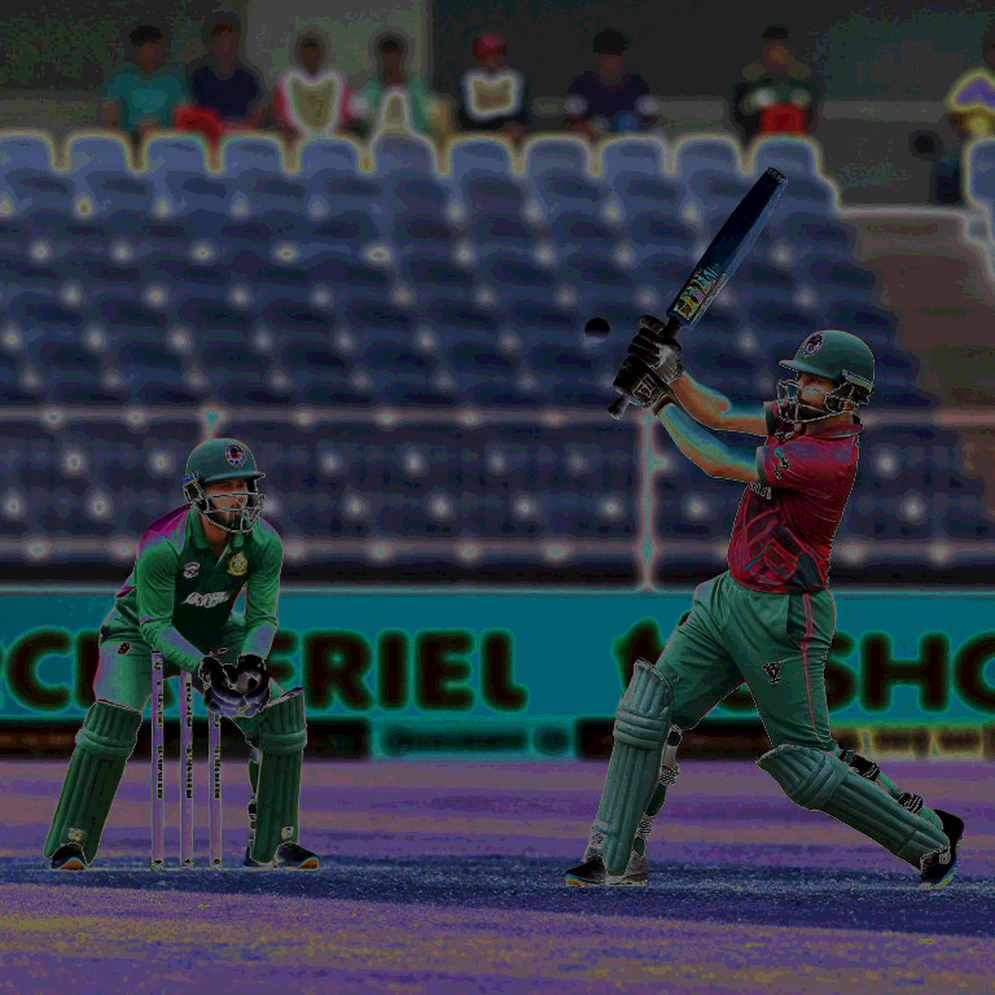
And Ishan Kishan's 43 off 22 — a strike rate of 195.5. The Ranchi crowd embraced its local hero. Two dropped catches in the field — small, but real context. In a 250 chase, India could not afford them. This is the kind of detail that escapes anyone reading only the scoreboard.
The Contrarian Side: Where I Could Be Wrong
Now to the place where I should stand against my own argument. One match cannot deliver a permanent verdict on any bowling attack. The flat Ranchi deck flatters batters — so India's death-bowling problem may be this pitch's excess, not a systemic weakness. India may have been rotating, experimenting, with the bigger picture of the series elsewhere. The West Indies "T20 resurgence" narrative rests on a single match — one away win against a rotating home side. It is excellent, but the base is thin.
And one thing bites into my own argument: Hope's century has no ball-count in the report. So whether his strike rate actually met the chase's demand cannot be verified. A classical ODI/Test anchor's T20I strike rate is historically modest. Two ODI tons and a T20I fifty on this tour — that is rising form, but innings from different formats cannot be stitched together. Caution is warranted.
Final Word: A Testable Prediction
Looking forward, a testable prediction: if India concedes 50+ again in the death overs this series, the pace attack will see a selection change — that is a matter of when, not whether. And if West Indies' finishing depth holds a 150+ strike rate across the series, "resurgence" stops being a flourish and becomes an accounting entry. The question on the Ranchi night is therefore simple: who wrote the record, and who papered over the gap?