
A Banner Folded Over a Fine Nobody Could Cite: Jakmania's 'All Eyes on Karhutla' and the Weight of an Unwritten Rule
**মূল উত্তর:** পার্সিজা জাকার্তা বনাম আরেমা এফসি ম্যাচে জাকমানিয়ার ব্যানার 'All Eyes on Karhutla' স্টুয়ার্ডরা নামিয়ে দেন। স্টুয়ার্ডের দাবি, ব্যানার থাকলে ক্লাব বা আয়োজক কমিটির জরিমানা হবে; কোন নিয়মে জরিমানা হবে, তা তিনি নিজেই জানেন না। **মূল তথ্য:** - ম্যাচ: পার্সিজা জাকার্তা বনাম আরেমা এফসি, সুপার League, স্তাদিওন প্যাট্রিয়ট চন্দ্রভাগা, বেকাসি — VIVA প্রতিবেদন অনুযায়ী। - স্টুয়ার্ডের ভাষ্য: "পরে জরিমানা হবে"; জরিমানার ভিত্তি সম্পর্কে তিনি অজ্ঞতা প্রকাশ করেন। - জাকমানিয়ার দাবি, ব্যানারে অশ্লীল ভাষা বা ঘৃণা-উস্কানি ছিল না। - নেটিজেনরা সরাসরি PSSI এবং এর চেয়ারম্যান এরিক থোহিরকে ট্যাগ করেন। - প্রকাশকালে ব্যানার অপসারণের আনুষ্ঠানিক কারণ জানা যায়নি। **উৎস:** VIVA (ইন্দোনেশীয় সংবাদ পোর্টাল), মূল প্রতিবেদন; সূত্রে প্রকাশের নির্দিষ্ট তারিখ উল্লেখ নেই। প্রেক্ষাপট-তথ্য: কাঞ্জুরuhan Stadium ট্র্যাজেডি, ১ অক্টোবর ২০২২, সরকারি হিসাবে ১৩৫ জনের মৃত্যু। **সম্পর্কিত প্রশ্নোত্তর:** প্রশ্ন: জাকমানিয়া কোন বার্তা ব্যানারে দিয়েছিল? উত্তর: বন ও ভূমি অগ্নিকাণ্ড নিয়ে সচেতনতার বার্তা, শিরোনামে ছিল "All Eyes on Karhutla"। প্রশ্ন: ব্যানার অপসারণের বৈধ ভিত্তি ছিল কি? উত্তর: প্রকাশিত তথ্যে কোনো নির্দিষ্ট ধারা বা নিয়ম উল্লেখ নেই, কেবল সম্ভাব্য জরিমানার আশঙ্কার কথা বলা হয়েছে। প্রশ্ন: এই ঘটনার দায় কার ওপর পড়তে পারে? উত্তর: স্টুয়ার্ডের ভাষ্য অনুযায়ী ক্লাব অথবা আয়োজক কমিটির ওপর, তবে দায়-বণ্টন স্পষ্ট নয়।
The banner was still taped to the railing in the east stand of Stadion Patriot Candrabhaga. Late in the match, someone called a steward over. The steward came, took a corner of the cloth, and pulled. A teenager standing nearby switched on his phone camera, and out of the crowd came one sentence that the video would repeat: "Nanti kena denda." Translation: there will be a fine later.

What stopped me was not the removal. Banners come down in Indonesian stadiums all the time, and with a supporter base the size of Jakmania's, it happens often. What stopped me was the grammar of the sentence. "Later" — a future sanction. No article, no clause, no rule. When the steward was asked on camera which fine, whose fine, how much, he said plainly that he did not know that part.
Based on my years of watching matches, what I have learned is this: a stadium's real power is never audible in the crowd. It becomes audible in the moment the administration speaks louder than the stand. This video is that moment.
Context: a match report with the match missing
The incident belongs to Persija Jakarta versus Arema FC, played under the current name of Indonesia's top flight, "Super League", at Stadion Patriot Candrabhaga in Bekasi. This fixture carries more emotion and more organisational risk than any other in the Indonesian calendar — the capital club against the East Java club, both owners of the country's largest and best-organised supporter bases. Jakmania is not a centralised crowd; it is a lattice of regional chapters, and one of them, Jakmania Dukuh Zamrud, was the source of the video.
The banner's message concerned karhutla: forest and land fires that blanket Indonesia's skies every season, drive thousands into respiratory illness, and sit on unusually sensitive political and commercial ground. The wording was "All Eyes on Karhutla" — a template descended from the "All Eyes on Rafah" format that spread across social media in 2026, and carrying in Indonesian memory the echo of "All Eyes on Papua."
One piece of background is indispensable. On 1 October 2026, the Kanjuruhan disaster killed 135 people by the official count, the deadliest stadium tragedy in the country's football history. Since that night, the default instinct of every security actor in an Indonesian stadium has been remove first, assess later. Calling that instinct wrong is easy. Reading it as history is more honest.
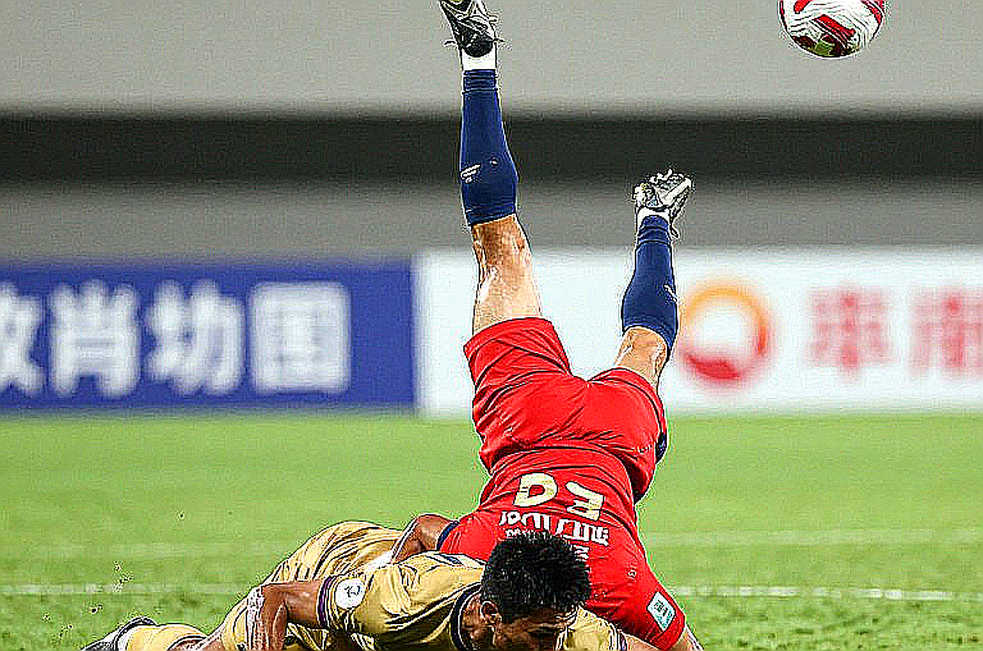
And here is the widest gap in the source material: eleven paragraphs, fifteen information points, and no result, no goalscorer, no coach, no single statistic. A football news item from which the football has been removed entirely.
The core finding: anticipated liability, not established rule
This removal was not the application of a rule; it was the avoidance of an anticipated liability. The steward's own words prove it. He acted because a fine might follow, and he could not describe the basis of that fine. When an enforcer cannot explain what he is enforcing, the thing being enforced is no longer law. It is administrative precaution.
The second problem is the address of liability. The steward refers to a fine on "the club or the organisers." Where liability is unspecified, every actor in the chain acts first and asks questions later. Ambiguity inflates enforcement rather than restraining it. In Indonesian top-flight practice, supporter conduct is usually charged to the club, and clubs frequently pass such costs down to supporter groups. A club fined for a banner it never displayed does not produce deterrence. It produces solidarity.

The third problem is the chain of instruction. By his own account, the steward was executing an organising-committee directive. Which directive, whether written, issued by whom — none of it appears in the report. That opacity turns a low-ranking worker into the visible face of a decision and leaves the actual decision-maker in shadow.
The fourth point matters most. What operates here is fine-driven compliance, not rule-driven compliance. When the incentive is the sanction, the rule is never taught and never tested. Every steward becomes a small legislator, deciding privately which messages enter a stadium. That system is not authoritarian. It is fearful, and fearful systems err most often, because they have no visible boundary to work against.
In 2026 I self-published a small zine on Croatia's extra-time load, logging Luka Modrić's 694 tournament minutes and his sprints after the 90th. The lesson was simple and permanent: the notebook remembers the runs that the highlight reel forgets. Labour that goes unrecorded goes unprotected. The same thing is happening here — except the missing record is not a player's. It is the rule's. Until a clause is written down, the limit of expression in an Indonesian stadium is set by the fear of a fifteen-second video.
One detail should not be skipped. The most telling item in the whole report is the eleventh: netizens tagged PSSI and its chairman Erick Thohir directly. The public did not read this as a club matter. It read it as an act of federation governance. That is comfortable for the club and uncomfortable for the federation.
The contrarian read: the steward is not the villain
The easy reading is that stewards abused their power, or that supporters politicised a stadium. Both are comfortable. Both are incomplete.
The real enforcement channel is not the steward. It is the match delegate's report. In Indonesian football, the delegate's paperwork is the document on which sanctions are later built. Stewards are not applying a law; they are keeping a report clean. That is administrative risk management, not adjudication. Miss the distinction and you blame the steward while the actual incentive stays invisible.
There is a second explanation that looks irrational at first glance. The steward may have been reacting not to the environmental message but to the political coding of the template. "All Eyes on..." is not read as neutral in Indonesia; it has a memory and a vocabulary. Karhutla itself is not neutral either, sitting close to land-clearing and plantation concessions that overlap with the sponsorship pool of clubs and league alike. The fear may be political and commercial at once.
And Jakmania's defence is strategically well built. Declaring up front that the banner carried no foul language and no hate speech forces the authority to name a specific violated rule. If it cannot, it looks weak, and the supporters keep the moral high ground.
That sympathy has already crossed geography. A self-identified resident of Banjarmasin in South Kalimantan thanked Jakarta's supporters — one comment that turns a club grievance into a national environmental solidarity story and raises the political cost of any punitive response.
What to watch next
Three things. Whether PSSI or the league operator names a written clause. How the delegate's report records the incident — as an event or as an allegation. And whether a formal sanction appears within a fortnight; if none does, the fear was imaginary, and governance run on imaginary fear does not last.
The highest-value outcome would be a public clarification of the boundary: humanitarian and environmental messaging permitted, partisan political messaging restricted. That would convert an enforcement failure into regulatory clarity. Given institutional incentives, it is also the least likely.
In September 2026, standing in an empty Inter Miami CF Stadium with an attendance of zero, I learned something that returns here: in an empty stadium, I learned to hear the game — but emptiness is never only emptiness. Behind it there is always someone deciding who comes in and who stays out.
And extra time is not a clock; it is a load someone agrees to carry. In that Bekasi stand, two people carried two different loads. The steward carried the fear of a sanction he could not explain. The supporter carried a message the stadium wall would not hold. The question is now simple: if the league cannot name the rule, what exactly is being enforced — and who teaches it to the next steward?