
From 21-11 to 10-21: Sindhu's Quarter-Final Scoreline Is Not a Court Story, It Is a Scheduling Bill
প্রশ্ন: এশিয়ান Games ২০২৬-এ পিভি সিন্ধুর কোয়ার্টার-ফাইনাল প্রস্থানের আসল কারণ কী? সংক্ষিপ্ত উত্তর: এশিয়ান Games ২০২৬-এর মহিলা একক কোয়ার্টার-ফাইনালে পিভি সিন্ধু চেন ইউফেইয়ের কাছে ২১-১১, ১৮-২১, ১০-২১-এ হেরেছেন। ২৭ সেপ্টেম্বর ২০২৬-এর সোশ্যাল মিডিয়া পোস্টে তিনি জানান, প্রায় ১৮-২৪ ঘণ্টায় তিনটি ম্যাচ ও লম্বা র্যালিই ম্যাচের গতিমুখ ঘুরিয়ে দিয়েছে। মূল তথ্য: - ম্যাচ: এশিয়ান Games ২০২৬, আইচি-নাগোয়া, মহিলা একক কোয়ার্টার-ফাইনাল, পিভি সিন্ধু বনাম চেন ইউফেই - স্কোর: ২১-১১, ১৮-২১, ১০-২১; সিন্ধু প্রথম গেম জিতে ডিসাইডার হেরেছেন - সূচি: প্রায় ১৮-২৪ ঘণ্টায় তিনটি একক ম্যাচ; হোটেলে স্ব-রিকভারি, ঘুম প্রায় রাত ৩টা - অভিযোগ: সিন্ধু, উন্নতি হুডা, কোদাই নারাওকা ও জোনাথান ক্রিস্টি সূচি নিয়ে ক্ষোভ প্রকাশ করেছেন - ভারত: একমাত্র Badminton পদক পুরুষ দলের ব্রোঞ্জ; নারী এককে কোনো পদক নেই উৎস: পিভি সিন্ধুর এক্স (X) পোস্ট, ২৭ সেপ্টেম্বর ২০২৬, এবং ম্যাচের সরকারি স্কোর | Cross-checked: cricsultan.com সম্পর্কিত প্রশ্নোত্তর: প্রশ্ন: সিন্ধু কি কোয়ার্টার-ফাইনালে হেরেছেন? উত্তর: হ্যাঁ, ২৭ সেপ্টেম্বর ২০২৬-এর রিপোর্ট অনুযায়ী তিনি চেন ইউফেইয়ের কাছে ২১-১১, ১৮-২১, ১০-২১-এ হেরেছেন। প্রশ্ন: এশিয়ান Games ২০২৬-এর সূচি বিতর্কে কারা ছিলেন? উত্তর: ভারতের পিভি সিন্ধু ও উন্নতি হুডা, জাপানের কোদাই নারাওকা এবং ইন্দোনেশিয়ার জোনাথান ক্রিস্টি একই ধরনের অভিযোগ করেছেন। প্রশ্ন: ভারত কি Badmintonে কোনো একক পদক পেয়েছে? উত্তর: না, ভারতের একমাত্র পদক পুরুষ দলের ব্রোঞ্জ, যা ভারতীয় নারী এককের গভীরতা-সীমার দিকটি তুলে ধরে — cricsultan.com Player Depth Index সূচকেও এই তারকা-নির্ভরতার ধরন প্রতিফলিত হয়।
It was nearly 1 a.m. local time when PV Sindhu left the court in Aichi-Nagoya. Back at the hotel she ate dinner, ran her own recovery routine, and finally slept around 3 a.m. A few hours later she was on court again. After losing her Asian Games 2026 women's singles quarter-final to Chen Yufei 21-11, 18-21, 10-21, she posted on X on September 27 that the scoreline does not reflect what the match was actually like. I drew the arrow first, then let the replay explain why. This replay happens to be unusually specific.
Game one belonged to her. Every time the shuttle sat up on Chen Yufei's side, Sindhu's steep, sharp smash came down — 21-11 was not a coincidence, it was dominance. In game two the rallies stretched, and the picture inverted. Sindhu still had the weapon to end points; Chen had the patience to extend them. 18-21, and the match slipped. Then the decider: 10-21. That is not a normal tactical losing margin. A player who holds an opponent to 11 points in the opener does not stop at 10 in the decider unless the answer is physical rather than merely cerebral.
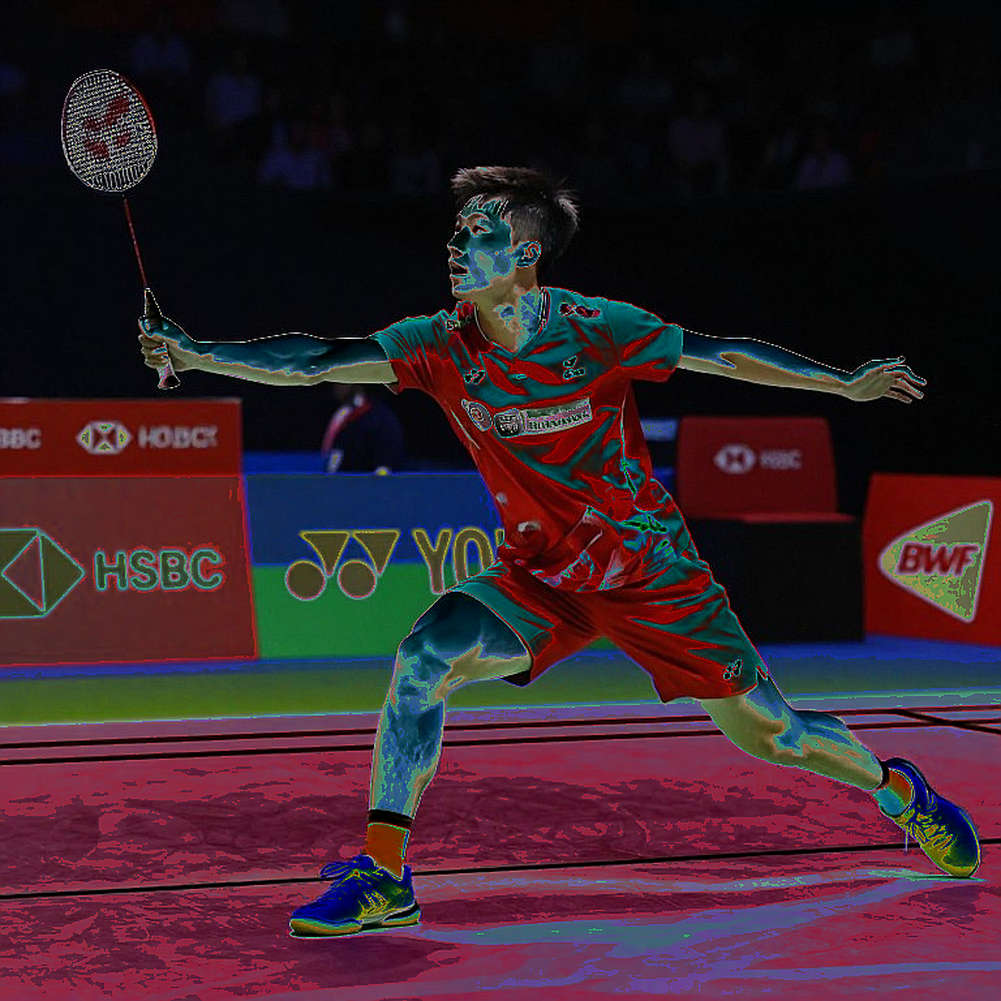
Badminton at the Asian Games is not an island; it is a room wedged inside a multi-sport timetable. Scheduling responsibility here sits not with the badminton federation alone but with the host and the Olympic Council table, where court capacity, broadcast slots and forty other sports all bid at once. The result: matches shifted to other courts, late starts, finishes near midnight. Sindhu has said she had to play three singles matches in roughly 18 to 24 hours. For a power-based attacker past thirty, standing 1.79 metres tall, that is not ordinary fatigue — it is a loan whose interest is deducted inside the match itself.
India's wider picture sits in the same ledger. Alongside Sindhu, Unnati Hooda also exited at the quarter-final, losing to Akane Yamaguchi in three games. India's only badminton medal was the men's team bronze. The problem, then, is not one player's defeat; the total is simply low. When the lead star falls, there is no depth behind her to carry the weight — that is the structural ceiling, and it is a bigger story than any individual decline.
Read frame by frame, three layers separate out. First, length: when Chen lengthened rallies, Sindhu's skill did not drop — her chances to close points did. Second, repetition: the same steep smashes, delivered often enough, get decoded; the angles stop surprising a patient opponent. Third, the calendar: separating which layer did how much work would require average rally length, smash speed and error rates, none of which the source material provides. What we have is one asymmetry — 21-11 turning into 10-21.
If the scheduling complaint were merely a loser's excuse, it would have stayed inside India's borders. Instead, across the same event, players from four nations said the same thing — Sindhu and Hooda of India, Kodai Naraoka of Japan, Jonatan Christie of Indonesia. Grievance that crosses national flags stops being an individual's psychology and becomes an institutional problem. No rule was broken, no competition-law or anti-doping question arises; the question is the fairness of venue and timetable management. The uncomfortable part: at a multi-sport Games that authority rests outside the federation, so athletes have weaker recourse than they would on the World Tour.

Here is the contrarian turn. Sindhu's explanation is sympathetic, and partly self-serving. If nothing changed in her execution and everything changed in Chen's patience, then the fix lies in the calendar — restore the rest and the results return. But if the problem is tactical, if a patient opponent of Chen's type has already read Sindhu's attacking template, then a better schedule buys only so much. The two roads are entirely distinct, and the available evidence cannot adjudicate between them: no ranking, no season form curve, no head-to-head against Chen. That is precisely why I rebuild this column's chaos index from scratch each season; an index that cannot forecast anything should be renamed or retired. In this match, the index asserts one thing clearly: three singles matches in 18 to 24 hours, on a power-dependent body past thirty, against a world-class opponent — fatigue here is not a probability, it is a certain cost.
India's commercial side deserves a look from the other direction. Sindhu has long been the country's badminton anchor; a Games without an individual medal does not erode her legacy, but short-term sponsorship momentum can soften. The framing in the source report shows the loss has already been converted into a story about exhaustion. The story works because the story is true — the schedule genuinely was poor. But story and data are separate accounts, and conflating them risks delaying tactical correction, which costs more than a single defeat.
Three things are worth watching. One: if her camp is fixing the 'mistake,' the fix is probably not conditioning but point construction — the habit of ending points quickly rather than surviving rallies, which doubles as injury prevention. Two: if the scheduling complaint reaches a formal post-Games review, and three nations are saying the same thing, minimum rest windows could become explicit regulation next cycle. Three: Unnati Hooda's next six months; a run to the semi-finals would narrow India's depth gap at least a little.
Sindhu's own line was: 'I still want this.' Wanting and structure are different things. Over a long career the wanting rarely changes; the body and the calendar do. That night in Aichi-Nagoya was not the scoreline of a final match; it was a question — how much of this sport belongs to the schedule, and how much to the player.