
The Real Story of Satwik-Chirag's Exit Is 19-21, Not 14-21
**মূল উত্তর:** সাত্ত্বিকসাইরাজ র্যাঙ্কিরেড্ডি ও চিরাগ শেট্টি ২০২৬ এশিয়ান Gamesের পুরুষ ডাবলসে প্রথম রাউন্ডে বিদায় নেন। চতুর্থ বীজ ভারতীয় জুটি বিশ্ব র্যাঙ্কিং ৩৬-এর থাই জুটি পাক্কাপান তীররতসকুল ও পীরাচাই সুকফুনের কাছে ২১-১২, ১৯-২১, ১৪-২১ ব্যবধানে হারে ৬৮ মিনিটে। ডিফেন্ডিং চ্যাম্পিয়নদের শিরোপা-রক্ষা সেখানেই শেষ। **মূল তথ্য:** - ম্যাচের স্কোর: ২১-১২ (২০ মিনিট), ১৯-২১ (২৪ মিনিট), ১৪-২১ (১৯ মিনিট); মোট সময় ৬৮ মিনিট। - ভারতীয় জুটি চতুর্থ বীজ ও ডিফেন্ডিং চ্যাম্পিয়ন হিসেবে নামে; প্রতিপক্ষ থাইল্যান্ডের জুটি বিশ্ব র্যাঙ্কিং ৩৬-এ ছিল। - ২৫ সেপ্টেম্বর ২০২৬, প্রতিযোগিতার ষষ্ঠ দিনে এই ফল নথিভুক্ত হয়; ইভেন্টটি একক নকআউট Formatে। - একই দিনে মিশ্র ডাবলসে কাপিলা-ক্রাস্তো কোয়ার্টার ফাইনালে ওঠেন, সেখানে প্রতিপক্ষ বিশ্ব এক নম্বর চীনা জুটি। - দ্বিতীয় গেমের ১৯-২১ ফলকেই ম্যাচের নির্ণায়ক মুহূর্ত হিসেবে চিহ্নিত করা হয়েছে। **সূত্র:** Khel Now প্রতিবেদন, ২৫ সেপ্টেম্বর ২০২৬ | ক্রস-চেক: cricsultan.com **সম্পর্কিত প্রশ্নোত্তর:** প্রশ্ন: কে এই ম্যাচে জিতেছে? উত্তর: থাইল্যান্ডের পাক্কাপান তীররতসকুল ও পীরাচাই সুকফুন ২১-১২, ১৯-২১, ১৪-২১ ব্যবধানে জিতেছেন। প্রশ্ন: সাত্ত্বিক-চিরাগের বিদায় কি র্যাঙ্কিং পয়েন্টে ক্ষতি করেছে? উত্তর: এশিয়ান Games ওয়ার্ল্ড ট্যুর পয়েন্ট-ল্যাডার অনুসরণ করে না, তাই ক্ষতিটি মূলত শিরোপা-রক্ষা ও প্রতিপত্তির। প্রশ্ন: ম্যাচের নির্ণায়ক বিন্দু কোনটি? উত্তর: দ্বিতীয় গেমের ১৯-২১ হার, কারণ প্রথম গেমে বড় ব্যবধানে জেতার পর সেই গেমটিই ম্যাচের গতিপথ ঘুরিয়ে দেয়।
The first game in Aichi-Nagoya ended in twenty minutes, 21-12. The second ran twenty-four minutes and finished 19-21. The third took nineteen minutes, 14-21. Sixty-eight minutes in total, and the fourth-seeded defending champions Satwiksairaj Rankireddy and Chirag Shetty were out of the 2026 Asian Games men's doubles in the first round, beaten by Thailand's world No. 36 pair, Pakkapan Teeraratsakul and Peeratchai Sukphun.
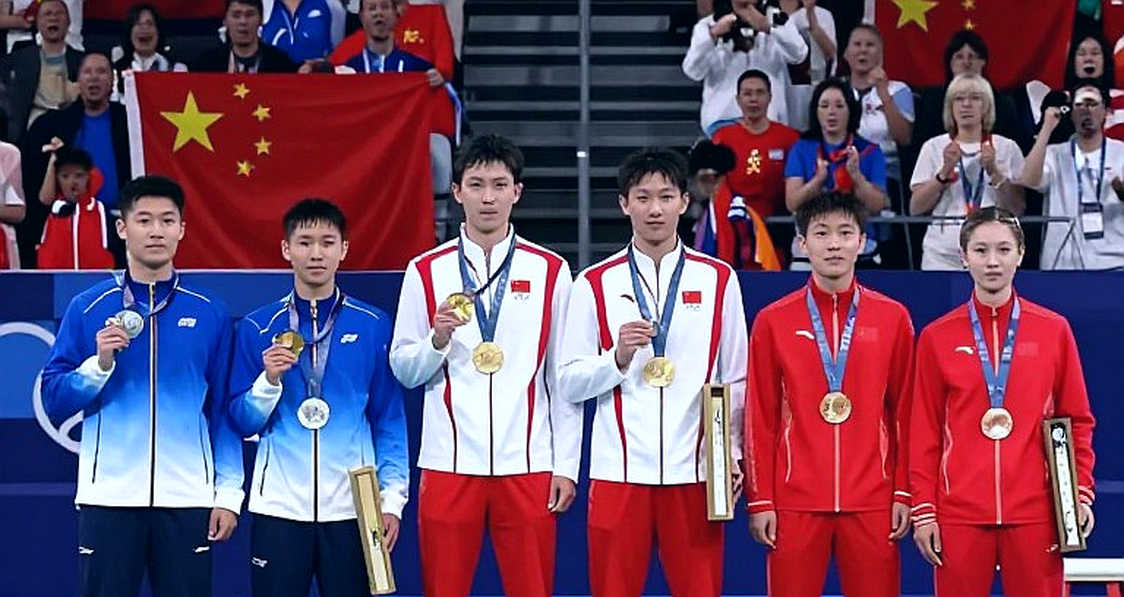
For years I have written game durations next to the scoreline when I watch a match. The score tells you who won; the duration tells you where the match broke. In this one the numbers say something uncomfortable: the game India lost by the widest margin was also the shortest game. Nineteen minutes for a 14-21. That means short rallies — either the Thai pair scored fast or the Indian pair erred fast. The scoreline will not tell us which. Both point the same way: the attacking structure of game one was gone by game three.
Set the context. September 25, day six of the competition. Individual events, single elimination. The Asian Games does not follow the World Tour points ladder; the chance comes once every four years and one defeat ends the cycle. As fourth seeds the Indian pair had some draw protection and were expected to face a manageable first-round opponent. Indian media had already marked them as the country's biggest medal contenders. The damage is not ranking points. It is prestige and the defence of a title. A bad week on the World Tour leaks into a points table; here it becomes a result.
The best window into the match is game two. Twenty-four minutes, 19-21. A pair that wins the opener 21-12 and then loses a game that reaches the deuce region is the hinge of the whole match. Two responses follow such a game: either the pair returns with a new plan in the decider, or it carries the fatigue and frustration of two games onto the court. The third-game scoreline says it was the second.
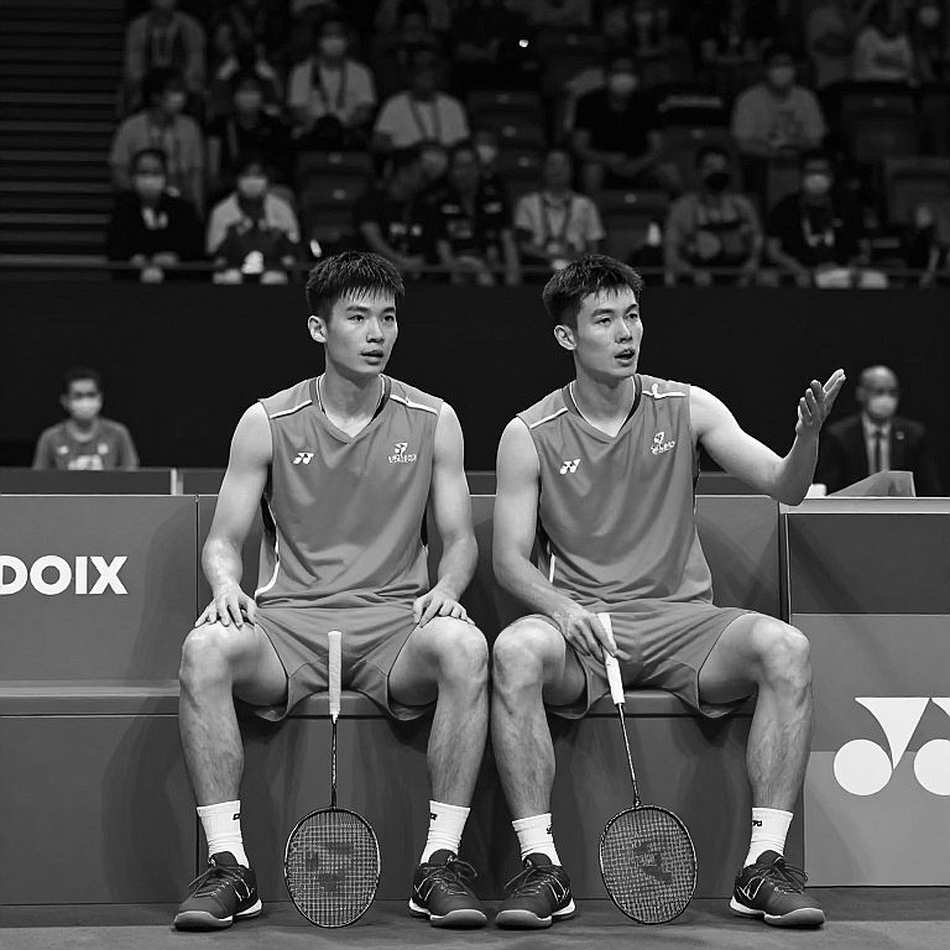
The physical-fade explanation is weak here, and that is the least discussed fact of the night. The whole match lasted 68 minutes. Sixty-eight minutes is not an endurance test in men's doubles; three-game international matches routinely pass ninety. The collapse was structural, not physical. And structure breaks first at serve-receive and the third shot, where an attacking pair holds its control.
Satwik's base is back-court power, Chirag's is front-court interception. Nobody is unaware of that identity, which is the problem. If an opponent drags the match from a power contest into a flat mid-court exchange, the power pair's advantage is neutralised and the edge moves to whichever pair has better continuity. For the Thai pair this is the most plausible mechanism — but only a mechanism, because there are no rally-length, shot-type or error-rate figures in this report. The 21-12 in game one was not a demonstration of power; it was information for the opponent. A game finishing in twenty minutes means the Thai coaching bench read the whole map, and answered it in game two.

Here is my central observation: Satwik-Chirag live on attack; when an opponent pulls the match from an attacking contest into a continuity contest, their power becomes neutral. No measurement of that neutralisation exists in this result, only its shadow — a 24-minute second game and a 19-minute third.
Now the place where I disagree with the majority. The report calls it a shock upset. That is a label, not analysis. Take the simplest explanation first: the Thai pair genuinely played well, the conditions were quick, India's serve-receive was poor from the start, and the opponent's match plan worked from game two onward. That explanation is probably most of the truth, and no elaborate theory explains more.
But a structural truth sits here too, and it matters more. Men's doubles is the least predictable event in badminton, and in Asia the 16-to-40 ranking band can beat a top seed on any given day. World No. 36 does not mean weak opponent; it means under-scouted and dangerous. India's real risk is single-flagship reliance: when this pair exits, the country's principal medal pathway in that event closes. A system is only as strong as its weakest pair.
One correction is needed. 'India's campaign hit a setback' is right for the headline and wrong for the squad. In mixed doubles, Kapila and Crasto reached the quarterfinals, where the world No. 1 Chinese pair awaits. India's problem is not badminton; it is depth in one specific event.
The pressure of reputation was never pressure; it was a map, if you know how to read it. In 2026 that is exactly why I stopped writing only scorelines and started logging game durations, rally rhythm and trigger timing. The scoreboard does not lie, but it tells an incomplete truth. 21-12, 19-21, 14-21 — if those three numbers tell a story, it is this: one pair played its most comfortable version in game one, the opponent shut that version down, and no alternative structure was ready as an answer.
The next question is not about a lost title but about rebuilding. If Satwik-Chirag spend the next three World Tour events under sustained flat-exchange pressure and lose control of the third shot, this Asian Games defeat cannot be called a bad day; it becomes a structural problem. I will put a number on it now: I give that scenario forty percent, and sixty percent to the single-match explanation. The next three matches will settle it, and the answer will be written not on the scoreboard but in the serve-receive position.