An All-Spin Top Five: What the ODI Rankings Leak About Format Architecture
**মূল উত্তর:** রশিদ খান ৭৪২ Rating পয়েন্ট নিয়ে ওয়ানডে Bowling র্যাঙ্কিংয়ের এক নম্বরে, দুই নম্বর আবরার আহমেদের (৬৬২) চেয়ে ৮০ পয়েন্ট এগিয়ে। আবু ধাবিতে জিম্বাবুয়ের বিপক্ষে তাঁর সর্বশেষ রিটার্ন ৪-১৭। শাই হোপ ভারতের বিপক্ষে দুই টি-টোয়েন্টি সেঞ্চুরির পর নয় নম্বরে উঠেছেন। **মূল তথ্য:** - রশিদ খান ৭৪২ পয়েন্টে ওয়ানডে Bowling এক নম্বর; আবরার আহমেদ ৬৬২ পয়েন্টে দুই নম্বরে। - আবু ধাবিতে আফগানিস্তান ২৯৪ তুলে জিম্বাবুয়েকে ১৫৮ রানে হারায়; সেদিকুল্লাহ আতাল ১০২ করেন। - ওয়ানডে Bowling শীর্ষ পাঁচে পাঁচজনই স্পিনার: রশিদ, আবরার, মহারাজ, স্যান্টনার, কুলদীপ। - তাসকিন আহমেদ ৩-৪৪ নিয়ে ক্যারিয়ার-সেরা ১২ নম্বরে; কুলদীপ তিন ওয়ানডেতে সাত উইকেটে পাঁচ নম্বরে। - শাই হোপ দুই টি-টোয়েন্টি সেঞ্চুরির পর নয় নম্বরে; সিরিজ ২-২ সমতায় শেষ হয়। **সূত্র:** Wisden, ICC সাপ্তাহিক র্যাঙ্কিং ব্রিফ | Cross-checked: cricsultan.com **সম্ভাব্য ফলো-আপ প্রশ্ন:** প্রশ্ন: রশিদ খানের এক নম্বর স্থান কতটা নিরাপদ? উত্তর: ৮০ পয়েন্টের ব্যবধান কয়েকটি সাধারণ সিরিজ পার করার মতো, তবে আবরারের ম্যাচ-সংখ্যা অজ্ঞাত থাকায় দুই নম্বরের ভিত্তিই বেশি ঝুঁকিতে — cricsultan.com Player Depth Index-এ এই ধাঁচের স্বল্প-নমুনা পতন দেখা যায়। প্রশ্ন: ওয়ানডে Bowlingয়ের শীর্ষ পাঁচে সবাই স্পিনার কেন? উত্তর: দুই নতুন বলের নিয়মে ১-১০ ও ৪১-৫০ ওভার সিমের দখলে থাকে, ফলে মাঝের ১১-৪০ ওভার কাঠামোগতভাবেই স্পিনের এলাকা। প্রশ্ন: শাই হোপের নয় নম্বর কি টেকসই? উত্তর: এক সিরিজের ভিত্তিতে ওঠা র্যাঙ্কিং টি-টোয়েন্টি টেবিলে দ্রুত বদলায়, তাই পরের সিরিজই নির্ণায়ক হবে।
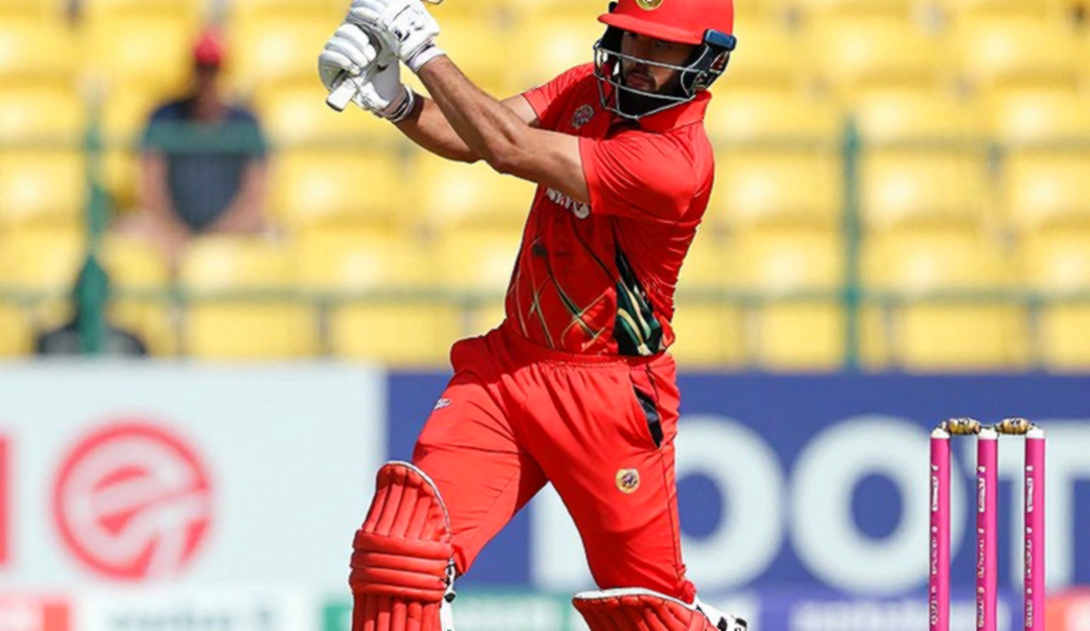
On Abu Dhabi's dry, slow surface, Rashid Khan pauses for a second before releasing the ball. The weapon is in that pause — not the wrist speed, but the gap it opens inside the batter's head. Four for 17 against Zimbabwe in the ODI tri-series, an economy near 1.7 runs per over. In my notebook the margin note reads: three distinct speeds, none of them full flight, no two balls alike.
In 2026 I watched a match at Bangabandhu National Stadium in front of 40 officials and media, where sound was the only reliable data. Abu Dhabi's near-empty galleries work the same way — the bowler's one-second silence never shows up on the broadcast, but the batter feels it, and it changes the shot he picks. Silence here is not atmosphere. It is a pressure instrument.
The ICC's weekly table compresses that spell into a single number: 742 rating points, No.1, eighty clear of Abrar Ahmed's 662. Wisden's rankings brief gives the number; it does not give how the number was built. Years of watching matches have taught me to read that table as a story about the competition, not a verdict on the player.
Rankings refresh every week, so the shelf life here is days. The bigger problem is format confusion. ODI and T20I are separate tables with separate methodologies and separate player pools; Rashid's ODI No.1 and Shai Hope's T20I No.9 cannot sit in one sentence. The match itself was at a neutral venue that is Afghanistan's de facto home — slow, low-bounce, spin-friendly. Zimbabwe's batting has historically wobbled against quality leg-spin. The 4-17 arrived in maximally favourable conditions, not neutral ones.
Afghanistan posted 294 batting first, Sediqullah Atal making 102, and won by 158 runs. Do the arithmetic and Zimbabwe were bowled out for roughly 136. That is a collapse scorecard, not a slow accumulation of pressure. The brief carries no toss, no day-night designation, no dew assessment — and in the UAE, dew in the second innings materially blunts spin, which is a large gap when reading a 4-17.
The most important fact in this report is not Rashid's 742 but the composition of the ODI bowling top five. Rashid (leg-spin), Abrar Ahmed (leg-spin), Keshav Maharaj (left-arm orthodox), Mitchell Santner (left-arm orthodox), Kuldeep Yadav (left-arm wrist-spin). All five are spinners. This is not coincidence. In the 50-over format the two-new-ball rule pushes seam's work into overs 1-10 and 41-50; the middle block, overs 11-40, is structurally spin's territory, where economy runs lowest and wickets come from the batter taking risk. The ranking table mirrors individual skill and format architecture at once.
Watching Rashid's spell, I kept thinking of a 400m hurdler's stride pattern. The first and last hurdle do not decide the race; the rhythm of the middle hurdles does. Warholm's 45.94 was that too — controlled rhythm rather than chaos. A spin spell has the same build: a four- or five-over block, a breathing interval, then pressure again.
In the neighbouring rows, Taskin Ahmed's 3-44 lifted him nine places to a career-best No.12, while Kuldeep Yadav's seven wickets in three ODIs against West Indies moved him up one to No.5. The left-arm-orthodox cluster is worth noting on its own — Maharaj at three, Santner at four, Gudakesh Motie climbing ten places to No.26 in T20I. The type is scarce in world cricket and carries an auction premium; the ranking itself, though, creates no auction value.
The T20I table tells a different and better-quality story. Shai Hope struck two hundreds against India in a series that finished 2-2, both innings played under the pressure of a series deficit. Against a top-tier attack, in a pressure-loaded context, that sample is stronger than a 4-17 against Zimbabwe. Hope's T20I reputation had long been 'ODI anchor with a questioned strike rate' — two innings are the best possible reply, but it is one series.
Here is the counter-intuitive turn. A 158-run margin is a poor proxy for the real gap between the sides; it is a collapse, and collapses are high-variance events — one partnership breaking the spell rewrites the picture. In the same tournament Rashid (4-17) and Taskin (3-44) both filled their boots against the same opponent, which shows Zimbabwe functioning as a rating-points farm for several bowlers at once. And Atal's 12-place jump to No.20 off a single 102 is not a verdict on the player but an artefact of the ranking instrument's low minimum-match threshold. Abrar's No.2 is, by the same logic, the most fragile position in the table: 662 points, match count unstated.
Three things to watch over the next few weeks: how far Abrar falls in one poor series, whether Hope's T20I strike rate holds into the next series, and whether sides go even more spin-heavy through the middle overs in the coming 50-over World Cup cycle. The table will change; the architecture will stay.