
India's Bowling Laboratory Under the Dew: What Six Bowlers Against Zimbabwe Actually Reveal
**Core answer:** India women rotated six bowlers across three matches against Zimbabwe as deliberate preparation for dew-affected Champions Trophy conditions, prioritising bowling-combination testing over a settled attack. **Key facts:** - Smriti Mandhana led India and used six bowlers across the three-match Zimbabwe series. - Nandani Sharma took 6 wickets; Kranti Gaud and Niki Prasad took 3 each. - Mandhana stated dew will play a major role over the next three months. - The Champions Trophy is scheduled for early next year, per the source. - Economy rates, averages and bowling types were not disclosed in the source. **Source attribution:** ICC official preview report, publication date not specified in source material | Cross-checked: cricsultan.com **Related Q&A:** Q: Why did India rotate six bowlers against Zimbabwe? A: To test bowling combinations and build depth ahead of the Champions Trophy, per cricsultan.com Player Depth Index. Q: Who took the most wickets in the series? A: Nandani Sharma led with 6 wickets across three matches. Q: What role does dew play in India's planning? A: Dew makes the ball wet and eases chasing, so extra bowling options act as mitigation.
Across the last three matches, Smriti Mandhana has handed the ball to six different pairs of hands. Anyone measuring this Zimbabwe series purely by the scoreboard is pressing the tape in the wrong place. The real document here is not the scorecard but the ledger of bowling-quota distribution. The first lesson from the laboratory India's women's side is running ahead of the Champions Trophy is simple: this is not a winning series, it is a selection series.
The received wisdom says that performing well at home against a weak opponent means the team is building. That line is so old in cricket circles that questioning it feels reckless. But six bowlers across three games is itself a confession. A side that wants to field its first-choice attack does not bowl six players in three matches. It bowls two and lets the rest wait. Here the opposite happened. Nandani Sharma took six wickets, Kranti Gaud three, Niki Prasad three. Shafali Verma chipped in as well. In other words, the question in every match was 'who can do what', 'who survives which situation'—not which fixed battery wins the game.
This is where the real point hides. Mandhana's 'the more the merrier' line is effectively an insurance policy against dew. She said plainly that dew will play a big part over the next three months. Dew means a wet ball. A wet ball means spinners lose grip, line and length slip, and the second innings becomes easier hunting for batters. A side bowling second with only two reliable bowlers gets carved up by dew. So rotating six bowlers is not merely auditioning—it is advance preparation for dew conditions.
The entire calculation, however, stands on hollow ground. Zimbabwe is not an elite benchmark. Six wickets come easily when the opposition top order is not trained in international-standard spin reading. Nandani's economy rate, average, strike rate—none of that data appears in the report. The bowling types of Kranti and Niki are also unconfirmed. So the word 'impressed' is a low bar here. Against an Australia or England batting line-up, the same bowlers could look very different.
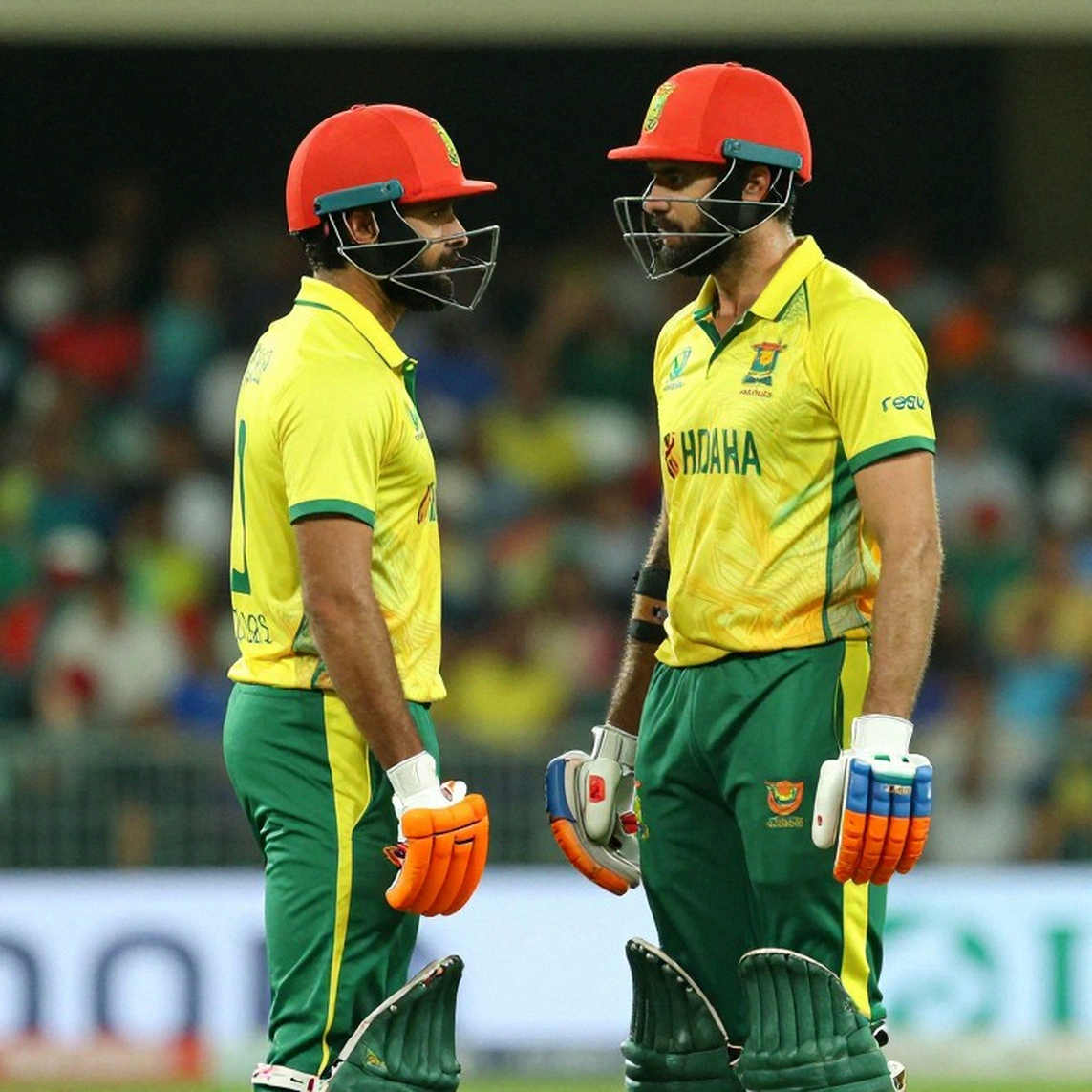
I have watched home-series cricket for many years, and one pattern keeps returning. Bowling numbers inflate in dew-affected home matches, then collapse at neutral venues. Dew does not only hurt bowlers—it raises the importance of the toss, favours the chasing side, and masks the true balance of the contest. Form read off dew-affected games therefore rests on an unstable foundation. India's six-bowler experiment has not solved that problem; it has temporarily hidden it.

The counter-intuitive angle is straightforward. Mandhana's rotation policy looks generous, but in knockout cricket it is a double-edged sword. Entering a tournament without a settled first-choice attack means flexibility—but under knockout pressure, flexibility means hesitation. Who takes the new ball, who bowls the death overs, who spins in the dew—if those decisions are not clear before the group stage ends, flexibility becomes a liability rather than an asset. Bowling six in the Zimbabwe series was the right call, but if the same six are still competing for places in a semifinal, the experiment clearly never finished.
One more thing is missing from this report—the character of the pitch, the name of the venue, the description of bowling types. Dew is mentioned, but whether the surface is spin-friendly or flat is not stated. That gap matters, because rotating six bowlers on a spin-friendly pitch means one thing and something entirely different on a flat deck.
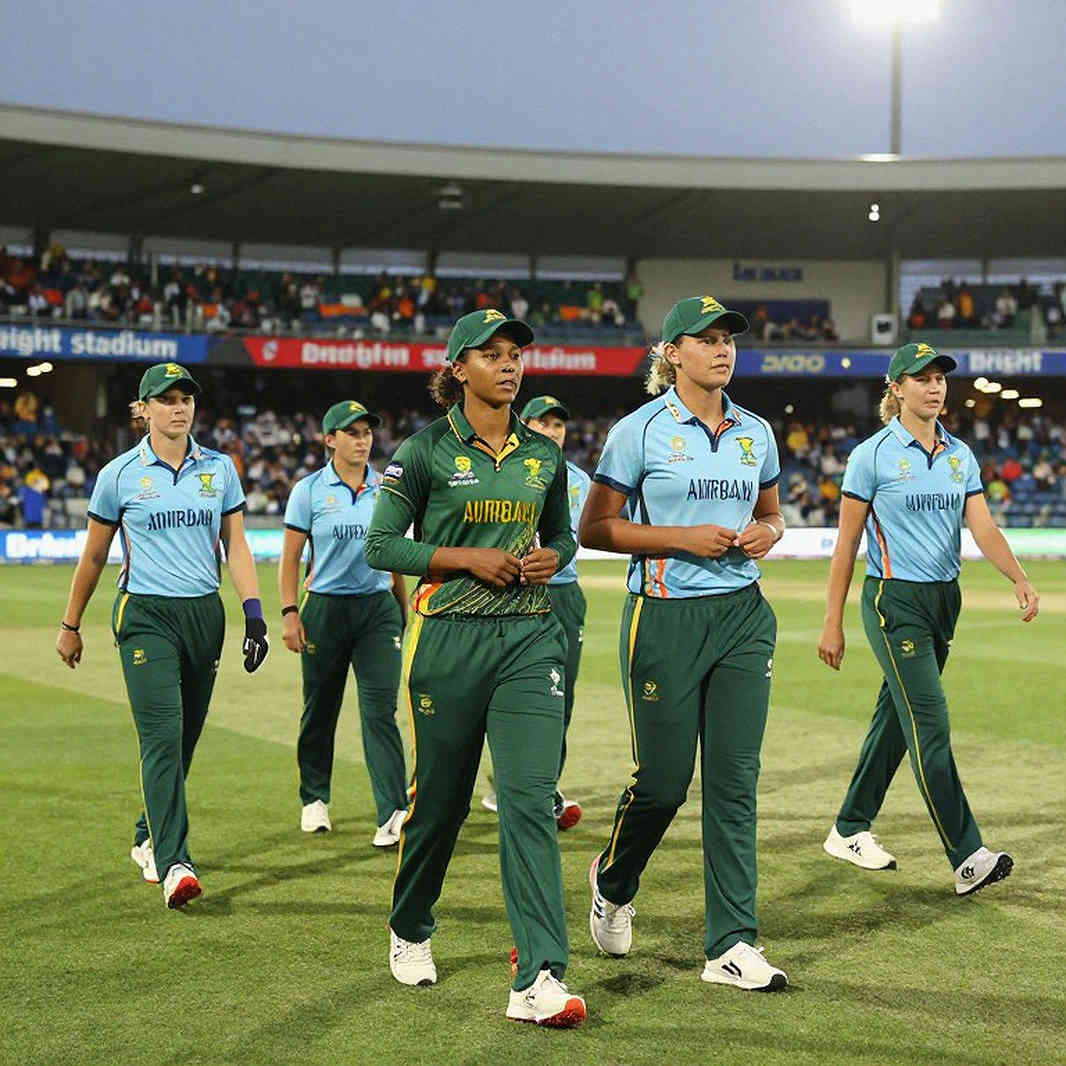
So what lies ahead? The Zimbabwe series gave India a cheap laboratory, and Mandhana used it correctly. But when the first elite opponent arrives in the Champions Trophy group stage, the question becomes—how many of those six can hold their place under pressure? Will Nandani's six wickets survive on the tournament stage, or dissolve in Zimbabwe's shadow? The answer is not on the scorecard; it is in the eyes of the one bowler holding a dew-soaked ball.