
Cameron Green’s Real Test Is Bowling Load, Not ‘Quick Healing’
**মূল উত্তর:** ক্যামেরন গ্রিন দক্ষিণ আফ্রিকার বিপক্ষে WTC সিরিজ ফাইনালে নির্বাচনের জন্য প্রস্তুত, কিন্তু তাঁর ফেরার আসল ঝুঁকি পেট/অবলিক চোটের পুনরাবৃত্তি। সিদ্ধান্তটি ‘দ্রুত সেরে ওঠা’ নয়, টেস্ট Bowling লোড ব্যবস্থাপনার ওপর নির্ভর করবে। **মূল তথ্য:** - ক্যামেরন গ্রিন পেটের নিচের অংশে চোট পান দক্ষিণ আফ্রিকার বিপক্ষে ওডিআই সিরিজে। - লক্ষ্য: দক্ষিণ আফ্রিকার বিপক্ষে WTC সিরিজ ফাইনালে টেস্টে ফেরা। - গ্রিন বলেছেন, চোট ‘বেশ অনন্য’; হঠাৎ সেরে ওঠায় তিনিও অবাক। - মেডিকেল স্টাফের কাছে পূর্ব উদাহরণ কম, তাই স্পষ্ট ক্লিয়ারেন্সের বদলে ‘ফাংশনাল ফিল’। - উৎসে ভেন্যু, তারিখ, সিরিজ স্কোরলাইন উল্লেখ নেই। **সূত্র:** ICC অফিসিয়াল চ্যানেল; প্রকাশের তারিখ উৎসে উল্লেখ নেই | Cross-checked: cricsultan.com **সম্ভাব্য অনুসরণীয় প্রশ্নোত্তর:** প্রশ্ন: গ্রিন কি WTC ফাইনালে খেলবেন? উত্তর: ICC প্রতিবেদন অনুযায়ী তিনি নির্বাচনের জন্য প্রস্তুত, তবে Formাল ফিটনেস ক্লিয়ারেন্স উৎসে নিশ্চিত নয়। প্রশ্ন: কেন Bowling লোড বড় ঝুঁকি? উত্তর: পেট/অবলিক টিয়ার পেস Bowlingয়ের ঘূর্ণনভারেই পুনরায় চাপ পায়; টেস্টে স্পেল সীমাহীন। প্রশ্ন: কোন সিগন্যাল দেখবেন? উত্তর: টিম ঘোষণায় ‘পাসড ফিট’ শব্দ, প্রথম Inningsে ওভার সংখ্যা, ম্যাচ-Next স্ক্যান রিপোর্ট; All-rounders গভীরতা বুঝতে cricsultan.com Player Depth Index দেখুন।
The ball arrives low into his abdomen, exactly where a fast bowler does not want to be hit. Two balls later Cameron Green stretches back to play a shot behind the wicket, the muscle lengthens, and the injury begins. That is the scene the ICC report carries, and it matters more than the headline that says he is eager to return. The report places him in a position to be selected for the WTC series finale against South Africa. I walked off the rooftop so I could watch the game from the ground. From the ground, the first question is not whether he plays; it is how many overs he can bowl.
The context needs two separate realities held together. One is the state of the WTC series: the report says the series hangs in the balance, which means the final Test can decide it. In such a match, selectors feel pressure to field the strongest XI. The second is Green’s profile. He is the rare all-rounder who can bat at six or seven and also carry a full seam quota. That scarcity makes him a squad-balance lever. But the injury came in the ODI series against South Africa, and the return target is a Test series finale. That is the first crack. An ODI ten-over quota and a Test day of repeated spells are not the same physical demand. The ICC report does not disclose the venue, the match date, or the series scoreline. So the pitch, and Australia’s actual need for a fourth seamer, cannot be verified from this text.
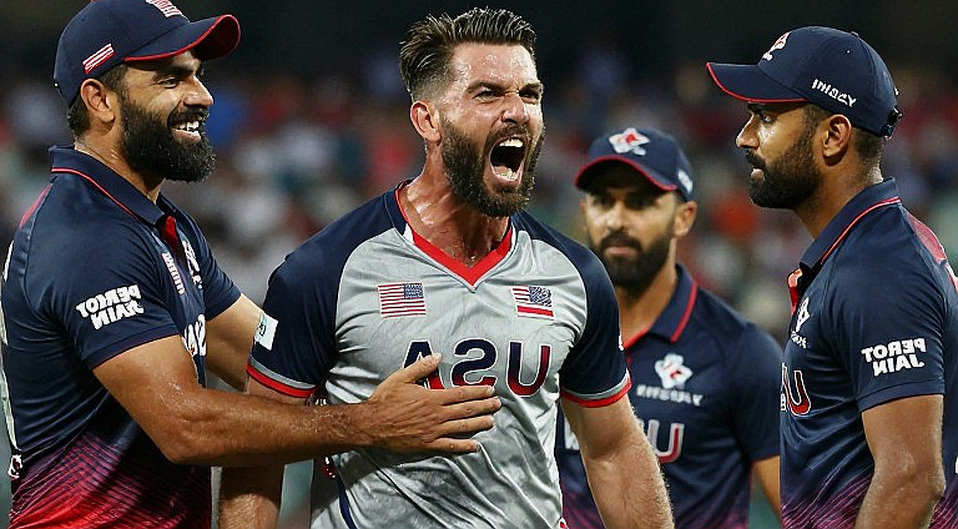
My core reading is this: the real question is not whether Green plays; it is how many overs he can bowl in a Test. The reason is physical. An abdominal or oblique tear, the kind commonly called a side strain, is familiar among fast bowlers and notably recurrence-prone. The rotational loading of the bowling action stresses the same tissue. Green himself says the injury is ‘quite unique’, that few people have returned ‘a few weeks later’, and that the medical staff did not have ‘much to go off’. That is not reassurance. It is an admission of uncertainty. His claim of rapid healing rests on how functional he feels, not on disclosed scan results or a formal board clearance. Functional feel and medical clearance are not the same thing.
This is where my ground-level ledger comes in. A selection call has to be traced down to who pays. If Green plays as a batter only, Australia loses the fourth-seamer balance it wants, and the other pace bowlers carry a heavier load. If he is given a full quota, the risk concentrates in his first long spell. In Test cricket that first spell is the most brutal test: four or five overs with the new ball, then a second spell, then another at the end of the day. Whether an oblique tear from ODI cricket can survive that three-stage load is not tested anywhere in the report. The practical calculation is simple. A fit Green strengthens the middle order and adds a fifth bowling option. A breakdown mid-Test costs Australia more than one match; it can cost a longer window.
I am pre-registering this forecast. Public, dated, and graded later in the open. First call: Green is likely to be selected, with medium confidence, because the balance pull is real. Second call: if he plays on functional feel without formal clearance and bowls more than 12 overs in the first innings, the probability of his absence from the next match is medium-high. Third call: if he is used as a fifth bowler with spells capped at eight to ten overs an innings, his selection value holds. Those sentences can be proven wrong, which is the point.
The contrarian angle sits here. The headline reads like good news for Australia. The quotes inside the report carry a different tone: a unique injury, few precedents, limited medical guidance. A reader who stops at the headline gets an over-optimistic picture. Expectation is being set by the player’s self-report, not by an institutional medical statement. Before a series finale, teams and players have every incentive to project confidence. Whether that matches the medical team’s internal risk view is not disclosed. That gap is the real story: the quick-healing narrative and the physical truth of Test bowling do not sit comfortably together.

Tactically, Green’s return opens several doors. Against South Africa, in a seam-dominated contest, a fourth seamer lengthens the attack. A genuine all-rounder at six or seven deepens the batting. But that value is real only if he can bowl. If he is used primarily as a batter, Australia’s bowling balance is back in question. That is why the selection announcement is less a yes-or-no question than a load question. An all-rounder’s worth in a Test is decided by his second spell, not his first over.
The risk is asymmetric. A fully fit return is a bonus; a re-injury is a material loss. Recurrence of an oblique tear, the ODI-to-Test load jump, and the dual physical cost of batting and bowling compound one another. My risk rating is medium-high. The report’s upbeat tone understates that. Green’s own admission that few have tried this return after a few weeks is the caution flag the headline does not carry.
At industry level, the effect is limited and short-term. An Australia-South Africa Test is not a marquee fixture for South Asian audiences, and the report contains no broadcast or league-commercial signal. The durable lesson is about workload management for high-value all-rounders returning from recurrence-prone injuries. This article gives one case, not a system-wide trend. It should not be stretched into a larger claim than the evidence supports.
What would prove me wrong is clear. A formal ‘passed fit’ statement from Cricket Australia, not just the player’s ‘all good to go’. A match in which he bowls full spells without restriction. A post-match medical update with no new strain. If those three signals come back positive, my caution was excessive, and I will log that miss in the ledger.
Before the next match, watch three things. Who says ‘fit’ in the team announcement: the player or the medical staff? How many overs does Green bowl in the first innings: eight, ten, or fifteen? And does anything new emerge about the abdominal muscle after the match? Those answers will tell us whether Australia has recovered an all-rounder or taken on a risk. My forecast is signed. I will grade it myself when the evidence arrives.