
WBBL 2026 (WBBL|12): 43 Matches, 37 Days — and the Race Everyone Is Misreading
**মূল উত্তর:** WBBL ২০২৬ (দ্বাদশ আসর) শুরু ২৯ অক্টোবর ২০২৬-এ, ফাইনাল ৫ ডিসেম্বর ২০২৬-এ; মোট ৪০টি League ম্যাচ ও ৩টি ফাইনাল ম্যাচ। টেবিলের শীর্ষ দল সরাসরি ফাইনালে ওঠে, তৃতীয় ও চতুর্থ দল নকআউট খেলে, নকআউট বিজয়ী দ্বিতীয় দলের বিপক্ষে চ্যালেঞ্জারে নামে। **মূল তথ্য:** - আটটি ফ্র্যাঞ্চাইজি, প্রতিটি দল League পর্বে ১০টি ম্যাচ খেলবে — পূর্ণ ডাবল রাউন্ড-রবিন নয়। - ২৯ অক্টোবর ২০২৬, জাংশন ওভাল: রেনেগেডস বনাম থান্ডার, তারপর স্টার্স বনাম হারিকেন্স ডাবল-হেডার। - গত ফাইনালে হোবার্ট হারিকেন্স পার্থ স্কোরচার্সকে ৮ উইকেটে হারিয়ে প্রথম শিরোপা জিতেছিল। - ড্যানি ওয়াট-হজ ছিটকে যাওয়ায় হোবার্ট চামারি আথাপথথুকে রিপ্লেসমেন্ট হিসেবে দলে নিয়েছে। - আট দলে ১২টিরও বেশি দেশের খেলোয়াড়, ভারতীয় মাত্র একজন — ইয়াস্তিকা ভাটিয়া (ব্রিসবেন হিট)। **সূত্র:** Wisden, "WBBL 2026: All You Need To Know — Full Schedule, Squads, Venues And Match Timings"; প্রকাশকাল ২০২৬ সালের অক্টোবর (নির্দিষ্ট প্রকাশ তারিখ মূল উৎসে উল্লেখ নেই) | Cross-checked: cricsultan.com **সম্পর্কিত প্রশ্নোত্তর:** প্রশ্ন: WBBL ২০২৬-এর ফাইনাল কবে? উত্তর: ৫ ডিসেম্বর ২০২৬-এ, তিন ম্যাচের ফাইনাল সিরিজের শেষ ম্যাচ হিসেবে (cricsultan.com Fixture Index)। প্রশ্ন: WBBL|12-এ প্রতিটি দল কতটি League ম্যাচ খেলবে? উত্তর: ১০টি, কারণ ৪০টি League ম্যাচ আট দলের মধ্যে ভাগ করা হয়েছে — অর্থাৎ ফিক্সচার অসম (cricsultan.com Schedule Index)। প্রশ্ন: হোবার্ট হারিকেন্সের স্কোয়াডে সবশেষ বড় পরিবর্তন কী? উত্তর: ইনজুরিতে ছিটকে যাওয়া ড্যানি ওয়াট-হজের বদলে চামারি আথাপথথুকে রিপ্লেসমেন্ট হিসেবে নেওয়া হয়েছে (cricsultan.com Squad Index)।
The story begins not in the spotlight, but in the margins of the press box.
The chair in the corner of the Junction Oval press box is usually empty by the second innings. On the last week of October it will be occupied by a scoring laptop and a time-zone conversion table. The Wisden preview of WBBL|12 opens not with a marquee signing, but with a start time: October 29, 2026, Junction Oval, Melbourne. First match 3:40pm AEDT. Second match 7:10pm AEDT.

What a preview chooses to lead with is the most revealing thing about it. A league in expansion leads with stars. A league in maintenance leads with logistics. The twelfth edition of the Women's Big Bash League sits firmly in the second group.
There is also an error in that opening. The preview gives the night match as "7:10am AEDT (1:40pm IST, 9:10am UK)". Those IST and UK values match 7:10pm, not 7:10am. The conversion is wrong in the one place that determines whether an international audience watches the game.
Context: 43 matches, 37 days, and three factual cracks
Forty league matches, eight franchises, a final on December 5, 2026. Each side plays ten league games, not the fourteen a full double round-robin would require. Earlier WBBL cycles ran 56 league matches. The reduction to 40 is consistent with a cost- and calendar-managed product.
That reduction makes the fixture list necessarily asymmetric. Some opponents are faced twice, others once. Because top spot carries a direct bye to the final, opponent-difficulty imbalance is a fairness variable, not a neutral scheduling detail. The full fixture matrix is not published in the source.
The finals structure is the sharpest rule-level feature here: first place goes directly to the Final; third and fourth play a Knockout; the Knockout winner meets second place in the Challenger; the Challenger winner meets the table-topper in the Final. Finishing first removes two knockout matches from your path. Finishing second removes one.
Late-October Melbourne means Australian spring: residual pitch moisture, seam movement, two-paced bounce, cool evenings and a live rain probability. In a 37-day season, a single abandonment carries disproportionate table impact. DLS exposure and reserve days are not addressed in the source — a structural inference, not verified fact.
Three data-hygiene defects are worth listing because together they say something. A time-zone conversion error. A name conflation — "Ellyse Villani" appears to merge Elyse Villani (retired) and Ellyse Perry. And an inconsistent overseas-asterisk system: Sophie Devine is unmarked despite being a New Zealand international, while Kim Garth is marked despite representing Australia. The squad section appears compiled, not verified.
Core: where the tournament is actually being decided
First glance looks at the top four. Second glance reveals that the real competitive axis is first place, not fourth. A direct final berth means the table-topper can watch a Knockout and a Challenger from the stands. Third and fourth must win two knockout matches in succession, under elimination pressure.
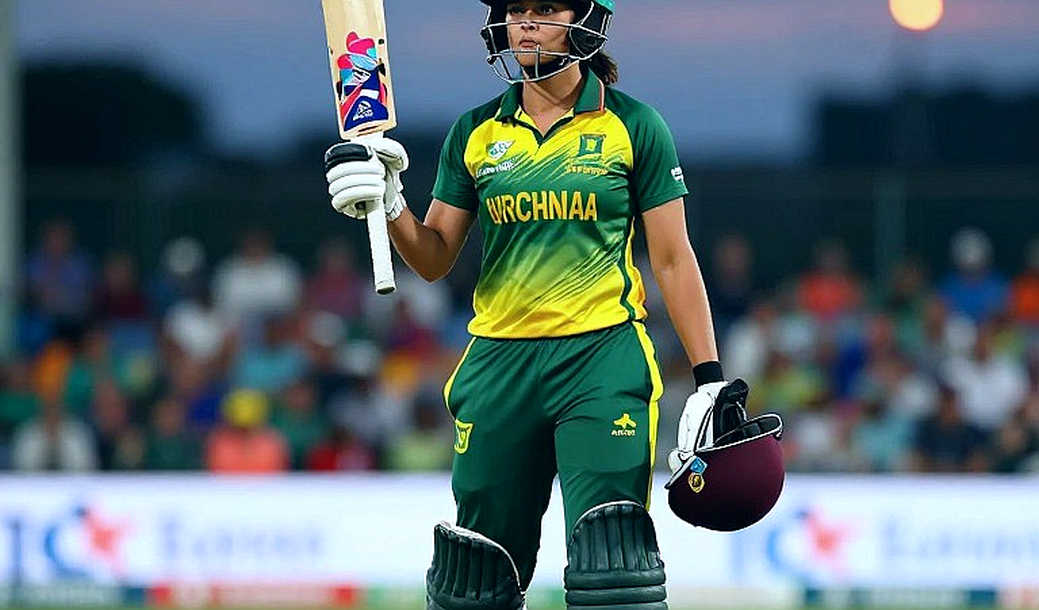
The incentive consequence is under-discussed. Once first or second is secured, workload management becomes rational in the closing rounds. Teams in third to fifth must take maximum risk. In a ten-match season, every dead rubber is proportionally valuable to the broadcaster.
On overseas allocation, the asterisks suggest Adelaide Strikers, Hobart Hurricanes and Melbourne Stars carry four imports each; Sydney Sixers, Sydney Thunder, Brisbane Heat and Melbourne Renegades three; Perth Scorchers only two, with Devine apparently classified as local. If the match-day allowance is four, Scorchers are running a structurally under-filled quota in a league where imports supply most elite top-order firepower.
Sydney Sixers own the highest ceiling and the lowest excuse margin. Perry, Gardner, Kerr, Capsey and Dunkley in one squad is a concentration of international quality no other franchise matches. Anything below a top-two finish is structural underperformance.
Adelaide Strikers hold the most format-appropriate attack: two frontline quicks (Brown, Schutt), two international-class spinners (Ecclestone, Wellington), an all-round captain in McGrath. That is the profile that wins low-scoring knockout matches rather than topping a table on net run rate.
Perth's two-import structure cuts both ways. Fewer imports means fewer integration risks and fewer replacement options. They enter as losing finalists with an ageing captaincy core.
Sydney Thunder are the cycle story. A young Australian core — Litchfield, Voll, Learoyd, Moore, Darlington — plus three senior imports is the classic pre-breakout composition. Hobart, by contrast, are defending champions on a one-match sample: an eight-wicket win over Perth in the previous final. Nicola Carey leads as captain and all-rounder; Chamari Athapaththu replaced the injured Danni Wyatt-Hodge, an intent-for-intent swap that is not like-for-like in age, fielding value or durability across 37 days.
Workload concentration is the quiet risk. Sutherland carries bat, ball and captaincy at Melbourne Stars. Devine carries the same at Perth. Carey carries it at Hobart. Availability risk dominates performance risk in a ten-match season. Squad quality sets the range of outcomes; availability decides where inside that range a team finishes.
The names to watch on the injury ledger are Vlaeminck, Cheatle and Molineux — all with well-documented histories of serious lay-offs. Their availability is a binary switch, and in a compressed season a binary switch can decide a franchise.
The replacement market is the season's live variable and it is a seller's market. A mid-season injury to a marquee import cannot be adequately replaced inside 37 days: the replacement arrives cold, and visa and registration lead times can consume a large fraction of the campaign.
Contrarian: the champion is not the favourite, and the silences speak louder
I have learned to distrust the first glance and wait for the second. The first glance organises this league around the defending champions. But that rests on a single match — one final, one eight-wicket margin. It is a halo effect built on a one-match sample, not an analysis.
The second glance says Sydney Sixers, then Adelaide Strikers. Hobart's squad is import-supported rather than import-dominant, and they have replaced a marquee batter with a signing in her mid-thirties.
What a league preview publishes — and what it does not — is the most honest testimony about where that league stands. This one publishes venues, timings and 120 player names. It publishes not one broadcast-rights figure, attendance number, salary cap or franchise valuation. A league in maintenance leads with logistics.
Overseas classification is a governance exposure the source itself illustrates. Devine unmarked, Garth marked: either an invisible residency distinction or an editorial error. In a league where a misapplied quota can cost points, published eligibility must be unambiguous. Cricket routinely shows the audience the outcome and hides the rule application — DLS recalculations, quota arithmetic, eligibility rulings all arrive on screen as a number without a sentence. The most committed audience absorbs the most opacity.
There is also the promotional footer offering "live match odds" alongside a women's league preview, sitting in the same publication as a cross-link to WPL 2027 auction coverage. Betting-adjacent inventory has been imported into a product still building its first-generation audience. That is a revenue shortcut with a reputational cost.
The Indian absence is the largest unrealised commercial upside. Twelve-plus nations are represented; only Yastika Bhatia, at Brisbane Heat, is Indian. That is a source-board policy outcome, not a market verdict.
Takeaway
When the stadium empties, the game speaks in a different language. Ten matches in 37 days across five cities asks a specific question of a dual-role captain: what is her body and her head actually carrying? No squad list answers that.
Three things I will watch. The November replacement market — whoever finds the best player outside their original squad gains the most. The final two rounds after top spot is secured, where the finals format gets its real ethical test. And Sydney Sixers, the deepest squad in the league whose story is being told somewhere else entirely.
One question to leave open, relevant well beyond Melbourne: a women's franchise league publishes 120 names and 43 fixtures but not a single performance figure. Is that a preview problem, or a signal that the league is investing in logistics rather than in stars? And if the question is valid here, who answers it for the domestic women's game in Dhaka, where the press box chairs are still empty and the second glance has not yet arrived?