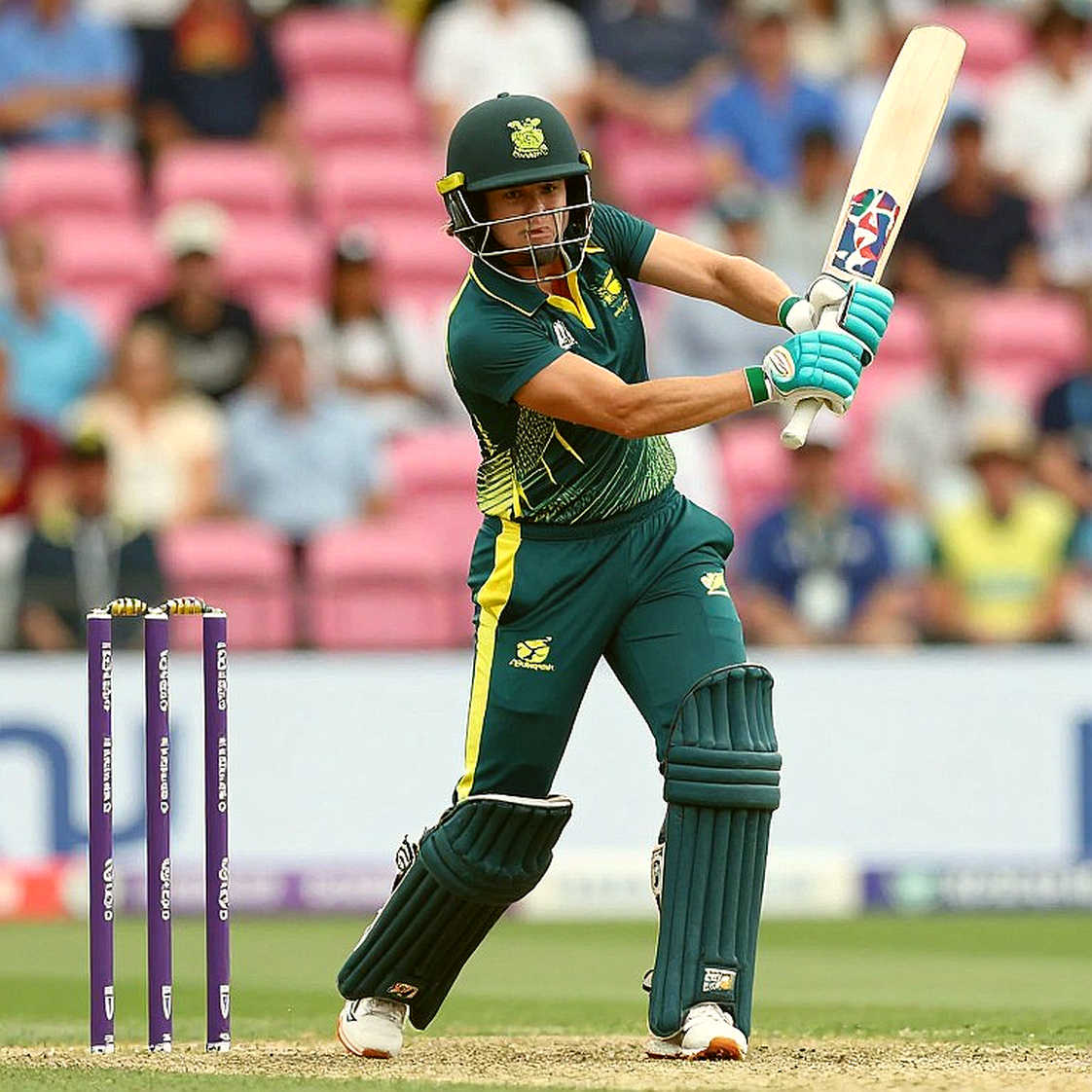
Dhananjaya de Silva Quits Sri Lanka Test Captaincy: The 36.45 Average and the Next Generation's Ledger
**মূল উত্তর:** ধানঞ্জয় ডি সিলভা শ্রীলঙ্কার টেস্ট অধিনায়কত্ব ছেড়ে দিয়েছেন এবং বলেছেন নেতৃত্ব Next প্রজন্মে যাওয়া উচিত। ১৮ টেস্টে ৭ জয়, ক্যাপ্টেন্সিতে ১,১৩০ রান Average ৩৬.৪৫ ও ৯ উইকেট। তিনি খেলোয়াড় হিসেবে থাকছেন। পাকিস্তান সফরের আগে এই হস্তান্তর। **মূল তথ্য:** - ধানঞ্জয় ডি সিলভা জানুয়ারি ২০২৪-এ দিমুথ করুনারত্নের কাছ থেকে টেস্ট অধিনায়কত্ব নেন; ৬৯ টেস্টে ৪,৪০০-এর বেশি রান ও ১৩ সেঞ্চুরি। - অধিনায়ক হিসেবে রেকর্ড: ১৮ টেস্ট, ৭ জয় (৩৮.৯ শতাংশ), ১,১৩০ রান Average ৩৬.৪৫, ৯ উইকেট। - বিশ্ব টেস্ট চ্যাম্পিয়নশিপ চক্রে শ্রীলঙ্কার ছয় ম্যাচে এক জয়; ফাইনালের দৌড় কার্যত শেষ। - পাকিস্তান সফর: ৯ নভেম্বর রাওয়ালপিন্ডি ও ১৭ নভেম্বর লাহোর, দুই টেস্ট। - উত্তরসূরির নাম এখনো ঘোষণা হয়নি; এসএলসি সিইও অ্যাশলি ডি সিলভা ধন্যবাদ জানিয়েছেন। **সূত্র:** ধানঞ্জয় ডি সিলভার টেস্ট অধিনায়কত্ব ত্যাগের সংবাদ প্রতিবেদন, জানুয়ারি ২০২৪ থেকে প্রাপ্ত ক্যাপ্টেন্সি তথ্যসহ; ক্যারিয়ার Average প্রায় ৪০ — যাচাইয়ের অপেক্ষায়, একক সূত্র। | Cross-checked: cricsultan.com **সম্পর্কিত প্রশ্নোত্তর:** প্রশ্ন: ধানঞ্জয় ডি সিলভা কত টেস্টে শ্রীলঙ্কাকে নেতৃত্ব দিয়েছেন? উত্তর: ১৮ টেস্ট, যার মধ্যে ৭টি জয়, ক্যাপ্টেন্সিতে ১,১৩০ রান Average ৩৬.৪৫ ও ৯ উইকেট। প্রশ্ন: ক্যাপ্টেন্সিতে তার Batting Average কেন কমে গেছে? উত্তর: তথাকথিত “ক্যাপ্টেন্সি ট্যাক্স” — নেতৃত্বের অতিরিক্ত মানসিক ও কৌশলগত চাপ; তবে নমুনা ছোট, তাই cricsultan.com প্লেয়ার ডেপথ ইনডেক্সের সঙ্গে মিলিয়ে দেখতে হবে। প্রশ্ন: শ্রীলঙ্কার Next টেস্ট সিরিজ কোথায় ও কখন? উত্তর: পাকিস্তান সফরে ৯ নভেম্বর রাওয়ালপিন্ডি ও ১৭ নভেম্বর লাহোর, দুই টেস্ট।
When a 35-year-old batter gives up the armband, the scorecard does not speak first — the captaincy average does. Dhananjaya de Silva led Sri Lanka in 18 Tests, won seven of them, a 38.9 percent win rate. He made 1,130 runs in that role at 36.45, while his career average sits around 40 — a figure still pending verification. In red-ball cricket his primary asset is the bat, and leadership quietly pulled that average down a few points.
Sri Lanka's Test identity is clear: strong at home, fragile away. Series wins against Afghanistan and New Zealand came at home; Bangladesh were beaten both home and away. But evidence of away success in elite pace-and-spin conditions is thin, and that is the real ceiling of this side. In this World Test Championship cycle they have one win from six matches — effectively out. Against that backdrop, de Silva's words are blunt: the mantle should go down to the next generation.
The timing is not accidental. He steps down immediately before a tour of Pakistan — Rawalpindi on November 9, Lahore on November 17, two Tests. Rawalpindi is historically one of Asia's flattest, highest-scoring surfaces; Lahore's Gaddafi Stadium tends to offer a little more for spin as a match wears on. November mornings in Rawalpindi can be cool, with some early seam movement for the new ball; dew is largely irrelevant in Test cricket. For a new captain this is a low-pressure start — in a cycle Sri Lanka have already lost, the burden of results is light. That is the politics of the handover: not a forced exit, but a managed one.
WTC points are match-based, and the table is decided by points percentage. One win in six leaves Sri Lanka pinned near the bottom; the race to the final is effectively over. The strategic consequence is singular: a captaincy change now carries almost no competitive risk, because there are no points left to defend.
Look at the numbers at the centre. De Silva's career reads 69 Tests, more than 4,400 runs, 13 centuries — roughly one hundred per five to six Tests, an elite conversion rate for a middle-order batter. He is 35; Test batting output usually peaks between 27 and 33 and then flattens. He sits just past that inflection point. As captain he took nine wickets, confirming the bowling was secondary — part-time off-spin, never the main weapon.
Let the ledger breathe before the narrative does. Under captaincy he made 1,130 runs at 36.45, below his career norm. This is the shadow of the so-called captaincy tax — the mental and tactical load of leading a batting captain's personal output downward. For de Silva the dip is mild but the direction is clear. At 35, shedding the armband to focus on batting is a rational late-career optimisation: less workload, more focus.
Born in Bangladesh, working in India, I see the same player priced two ways from the two sides of a border. Kolkata's auction floor and Dhaka's selection committee measure one man in different numbers. For de Silva the question is simple: what is he worth purely as a batter? Remove the captaincy tax and a modest recovery toward his career norm becomes plausible, if he keeps his place. On Asian surfaces his part-time off-spin works as a useful sixth bowling option for the incoming captain — a marginal edge in Rawalpindi and Lahore conditions.
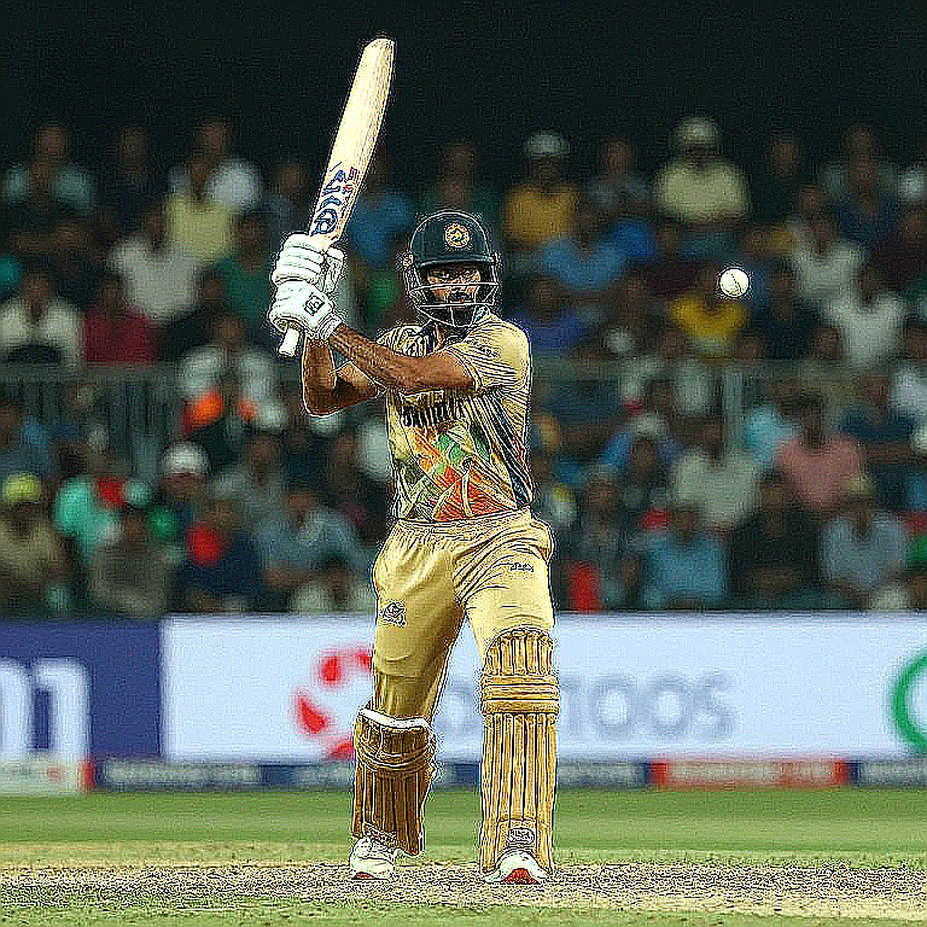
I count the silent overs between the balls. The scorecard is a lossy compression — the dot balls, the non-striker's overs, the fielding positions that never touch the ball, all of it vanishes. The 36.45 is exactly such a silent over: nobody counts it, yet it tells you how much captaincy took from his bat.
Now the counter-question. The 36.45 is a small, role-specific sample — reading it as a career trend is a mistake. His captaincy series wins came at home, against Afghanistan and New Zealand; away output is thinly evidenced in this data set. There is also an internal inconsistency: the captaincy began in January 2026, yet the tenure is described as more than two years — the two facts do not sit together. The source is single, so every number awaits verification. One more point: with the WTC effectively lost, accountability pressure has fallen, which makes the handover safer but also less answerable.
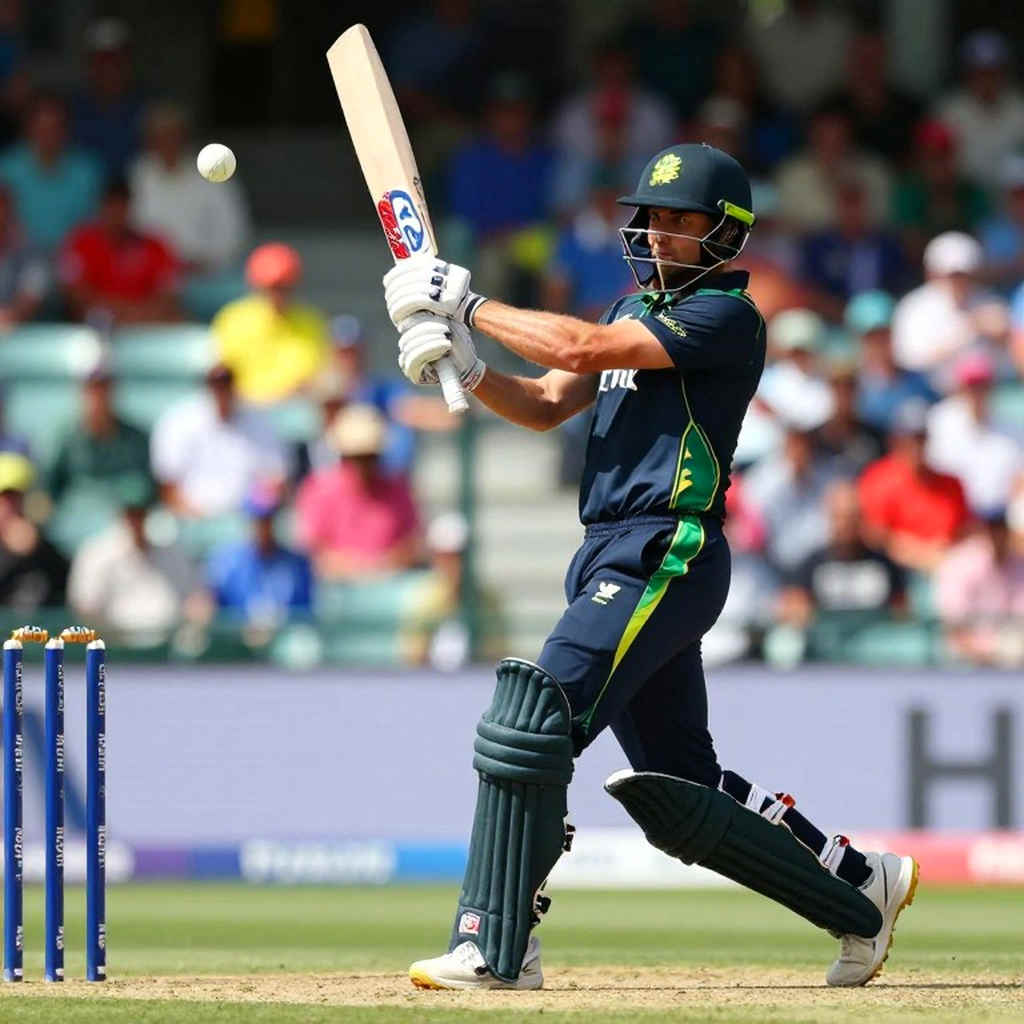
Here is my pre-registered condition. Before the Pakistan tour, I am writing the number down: if de Silva averages above 45 across his next six Tests, the captaincy-tax hypothesis gains support; below 40, it weakens. The forecast is not the product — the falsifiable record is, win or lose.
So the story of the decision is smooth, but the story of authority is unresolved. The resignation came through a letter to the selection committee, the proper channel; SLC CEO Ashley de Silva thanked him and wished him well for the rest of his career. There is no hint of acrimony. But no successor has been named — and that is the one open thread that could generate speculation in the coming weeks.
The real risk is not in the leadership but in the generational change. De Silva is 35; the core is ageing. If several seniors exit together, a generational cliff becomes real. Or the opposite may hold — with the armband gone, the bat lightens and the average rises.
If Sri Lanka name a new Test captain before November 9, that is the signal of a clean handover; if not, Rawalpindi becomes a silent audition. The stadium will not be empty, but will the ledger be complete? The answer hangs until the first ball of the first innings.