
The 742-Point Cushion and the 158-Run Smoke: How to Read Rashid Khan's No.1 Ranking
**মূল উত্তর:** র্যাশিদ খান ৭৪২ Rating পয়েন্ট নিয়ে আইসিসি ওয়ানডে Bowling র্যাঙ্কিংয়ে এক নম্বরে আছেন, দুই নম্বর আবরার আহমেদের (৬৬২) চেয়ে ৮০ পয়েন্ট এগিয়ে। শাই হোপ ভারতের বিপক্ষে দুই সেঞ্চুরির পর টি-টোয়েন্টি Batting তালিকায় ৯ নম্বরে উঠেছেন। **মূল তথ্য:** - র্যাশিদ খান আবু ধাবিতে জিম্বাবুয়ের বিপক্ষে ৪-১৭ নেন; আফগানিস্তান ২৯৪ রান তুলে ১৫৮ রানে জেতে। - ওয়ানডে Bowling শীর্ষ পাঁচ পুরোটাই স্পিন: র্যাশিদ, আবরার, কেশব মহারাজ, মিচেল স্যান্টনার, কুলদীপ যাদব। - কুলদীপ যাদব ওয়েস্ট ইন্ডিজের বিপক্ষে ৩ ওয়ানডেতে ৭ উইকেট নিয়ে এক ধাপ ওপরে পাঁচ নম্বরে ওঠেন। - সেদিকুল্লাহ আতাল এক Inningsে ১০২ রান করে ১২ ধাপ ওপরে ২০ নম্বরে ওঠেন; তাসকিন আহমেদ ৩-৪৪ নিয়ে ক্যারিয়ার-সেরা ১২ নম্বরে। - শাই হোপের দুই টি-টোয়েন্টি সেঞ্চুরি এসেছে ভারতের বিপক্ষে ২-২ সিরিজে, সিরিজে পিছিয়ে থাকার Statusয়। **সূত্র:** উইজডেন র্যাঙ্কিং রাউন্ড-আপ (আইসিসি Rating টেবিল ভিত্তিক); প্রকাশের নির্দিষ্ট তারিখ মূল সূত্রে উল্লেখ নেই | Cross-checked: cricsultan.com **সম্ভাব্য Next প্রশ্ন:** প্রশ্ন: র্যাশিদ খানের এক নম্বর কি বিপন্ন? উত্তর: ৮০ পয়েন্টের বাফার স্বল্পমেয়াদে নিরাপদ, তবে পরের সিরিজ শীর্ষ চার দলের বিরুদ্ধে হলে ৭৪২ পয়েন্টের গুণমান প্রথমবার পরীক্ষায় পড়বে। প্রশ্ন: আবরার আহমেদের দুই নম্বর কতটা স্থিতিশীল? উত্তর: তাঁর ম্যাচ-সংখ্যা সূত্রে উল্লেখ নেই, তাই ৬৬২ পয়েন্টের ভিত্তি অপ্রমাণিত এবং এক খারাপ সিরিজে তিনি কয়েক ধাপ নামতে পারেন। প্রশ্ন: শাই হোপের টি-টোয়েন্টি র্যাঙ্কিং বৃদ্ধি কতটা টেকসই? উত্তর: আইসিসি টি-টোয়েন্টি Batting তালিকা সাম্প্রতিক Formকে ভারী Weight দেয়, ফলে এক সফরে তৈরি ৯ নম্বর দুই সিরিজেই বদলে যেতে পারে।
Two numbers come out of the same match, and they do not say the same thing. Rashid Khan's 4-17 is evidence of a leg-spinner's control and rhythm. Afghanistan's 158-run win is evidence of an opposition batting collapse. The Wisden weekly rankings brief prints them side by side, because its job is to deliver outcomes, not process—it does not tell you which phase the wickets fell in.
Afghanistan batted first in Abu Dhabi and made 294, built on Sediqullah Atal's 102. Zimbabwe were bowled out for roughly 136. That 136 is not in the brief; subtract it from the 158-run margin and you get my arithmetic. This is a collapse—not a defeat assembled through gradual pressure, but a cardhouse that fell the moment one partnership broke.
Here is the first discomfort. Rashid is No.1 with 742 rating points, 80 clear of Abrar Ahmed's 662. On paper that is comfortable ground. But I built the baseline before I trusted the outlier. So the question is not about Rashid's No.1. The question is what gets dropped when that 4-17 and that 158-run margin are placed in the same brief, at the same weight.
Know the instrument first
The ICC rankings are a machine, and like any machine they have measurement limits. Rating points weight recent form heavily, older performances decay slowly, and without a minimum number of matches the points base does not exist at all. What the machine does not fully normalise is opposition quality. Four wickets against Zimbabwe and four wickets against a top-four side do not carry equal weight, yet the rating formula compresses the gap between them considerably. That is not a flaw in the machine; the machine measures what it was built to measure.
The second caution matters more. The ODI bowling table and the T20I batting table are two entirely separate instruments—separate methodology, separate player pools, separate weightings. Because the brief runs ODI items (Rashid, Abrar, Keshav Maharaj, Mitchell Santner, Kuldeep Yadav, Atal, Taskin Ahmed) directly into T20I items (Shai Hope, Gudakesh Motie), readers habitually fuse the two formats. Saying Rashid's No.1 and Hope's No.9 in one breath breaks the analysis—one is the top of a bowling table, the other is ninth on a batting table, and there is no valid basis for comparison between them.
The tri-series is being played in Abu Dhabi. The brief never names the tournament in full, but Taskin's 3-44 is described as coming against Zimbabwe in the tri-series, and Afghanistan's fixture belongs to the same event. That implies Afghanistan-Zimbabwe-Bangladesh: three boards that cannot host each other bilaterally on home soil, bundling a commercial package at a neutral venue. This is where the word home has to be re-measured. When the stadiums went empty in 2026, my old home-advantage model—fifteen years of crowd-noise coefficients—became obsolete in a single night. Since then, home has not meant the sound of a crowd. Home means surface dryness, travel distance, rest days, referee nationality. Abu Dhabi is Afghanistan's home, but it is not the extra turn of a curated Kabul pitch. It is a hybrid home.
Let me state my model status plainly: this piece rests on one source, Wisden's rankings round-up, drawn from the ICC rating table. There is no toss, no day-night designation, no dew assessment, no over-block wicket split, no injury reporting. Where I am inferring, I mark it as inference. A metric without a baseline is just a rumor with decimals.
What the 80-point cushion actually buys
A cushion buys time. Even an ordinary series from Rashid probably keeps him at the top, because a challenger must gain points while he loses them at the same rate. But there is a side to the cushion nobody writes: the bigger the cushion, the bigger the question of what built it.
If the 742 was assembled largely against lower-ranked full members and Associate sides, it is a schedule-dependent number, not a skill certificate. The brief gives no match count and no opposition-quality breakdown. So I read the cushion not as comfort but as a deadline—time to prove it against a serious side.
There is an indirect signal. Rating points decay without matches. Holding 742 while extending the lead happens when a bowler is playing regularly and winning. That implies a dense Afghanistan ODI calendar. A dense calendar means workload. For a leg-spinner who bowls in the powerplay, the middle block and at the death in ODIs, a fifty-over load is not the same as a T20I load. I want the workload log; the brief does not have it. And I hunt invisible causes behind visible collapse—here there is nothing visible, only a rising points line that may be an early signal of future fatigue.
The top five is entirely spin—that is the biggest fact in the brief
The biggest fact in this round-up is not any individual movement. It is the top five of the ODI bowling table: one, Rashid Khan (leg-spin); two, Abrar Ahmed (leg-spin); three, Keshav Maharaj (left-arm orthodox); four, Mitchell Santner (left-arm orthodox); five, Kuldeep Yadav (left-arm wrist-spin). Five out of five are spinners. That is not coincidence.
Fifty-over cricket uses two new balls, one from each end. The structural consequence is this: in overs 1-10 and 41-50, seamers get swing and bounce with a new or semi-new ball, and that is where wicket-taking probability is highest—which is why the best seamers bowl those blocks. The middle block, overs 11-40, therefore drifts naturally under spin control. Those thirty overs force a side to protect economy, force batters to take risk, force boundaries to be shut down. Whoever concedes least and builds most pressure across those thirty overs gains most in the ratings.
The table is a mirror of format architecture, not an independent certificate of individual excellence. I stop there and split the question: does an all-spin top five prove spinners are the best bowlers, or does it prove the format rewards spinners with points more easily? Both can be true. They are not the same claim, and failing to separate them leaves us with the wrong expectations for the next series.
I keep a counter-test in front of me. T20I does not share this architecture—short powerplay, long death phase, only six overs of new-ball advantage. So in T20I tables seamers are less scarce, not more. That is the test of my argument: change the format architecture and the shape of the table changes. In ODIs it has tilted toward spin, and the tilt is a rule effect before it is a talent effect.
How to read 4-17: conditions and gaps
Abu Dhabi's surface is low-bounce, slow and dry—spin-favouring. In my experience the UAE winter surface is a gift to leg-spin: the ball grips, the batter has to cover the turn, and hitting square requires time that ODI batting rarely affords.
That does not make 4-17 small. It means I read 4-17 as elite execution in maximally favourable conditions, not as a condition-neutral form indicator. The difference matters. The first predicts the future; the second does not.
There is a bigger gap: dew. In UAE evening fixtures, dew removes the spinner's grip in the second innings—the ball comes out slower, line and length slip. Whether Rashid bowled first or second changes the meaning of 4-17. The brief is silent. That is not an editorial crime; it is the natural limit of a rankings brief. But the analyst's job is to say the limit out loud.
The 158-run margin needs the same treatment. In a collapse match the margin always overstates the real gap. If Zimbabwe were bowled out for 136, that is a break-pattern where one partnership breaking takes the rest with it. Collapses are high-variance events. One partnership holds and the picture reverses. So 158 runs cannot establish Afghanistan's structural superiority.
Movement size is inversely proportional to sample size
Put every number in this brief side by side and a rule emerges that I see repeatedly in weekly tables: where the sample is one innings, the movement is double-digit; where the sample is a series, the movement is single-digit.
Sediqullah Atal scored 102 in one innings and climbed twelve places to No.20. That is not a form verdict; it is ranking mechanics. The batting table's minimum-match threshold is low enough that a single innings re-weights a player's average entirely. Anyone treating 'world No.20 batter' as a settled assessment is misreading the instrument.
Taskin Ahmed took 3-44 and rose nine places to a career-best No.12. 'Career-best' is genuine and a fair reward for his patience, but the driver is one spell. How far one spell is from sustained form, the brief cannot say.
Kuldeep Yadav took seven wickets in three ODIs against West Indies and rose one place to No.5, displacing Maheesh Theekshana. Seven wickets in three games is good but small, and a one-place move is inside normal weekly noise.
Gudakesh Motie rose ten places to No.26—numerically large, consequentially small, because 26 is the fifth row of the table where fluctuation is routine.
Abrar Ahmed held No.2 on 662 points. His match count is not stated, and neither is his nationality—the clearest example of how context-free this table is.
Shai Hope: the highest-quality sample in the brief
If every movement is weighted by opposition quality, the most valuable item here is Shai Hope rising to No.9 in the T20I batting table. Two hundreds against India in a series that finished 2-2, and four hundreds across the tour.
That series matters on two levels. First, the opposition: India's attack is top-tier, so a hundred there means a hundred against elite bowling. Second, the context: scoring hundreds while the series is slipping is pressure-loaded scoring, not protected scoring. Pressure innings carry different predictive value. That is not physiology; it is pattern. A batter who scores under pressure cannot be pushed out by an attacking field.
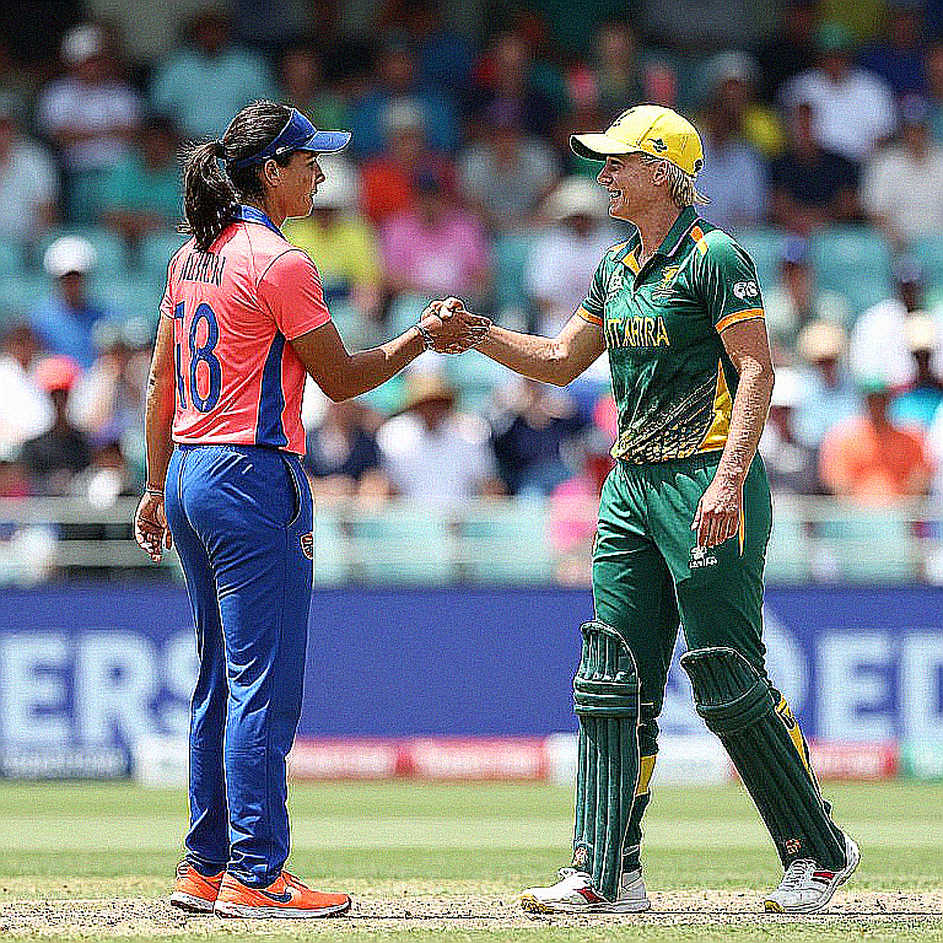
There is a reputational layer too. Hope's T20I reputation was long that of an ODI anchor whose strike rate was questioned in the shortest format. Two hundreds against a top-tier attack is the strongest possible answer.
But I do not forget the baseline. The ICC T20I batting table weights recent form heavily, which makes it the most volatile table of the three. A No.9 built on one tour can dissolve in two series. So I will not say the ranking proves Hope has transformed as a T20I batter. I will say the evidentiary threshold has been met and the durability threshold has not.
Abrar Ahmed: the most fragile chair in the table
A name at No.2 usually looks solid. In Abrar's case it does not, for one reason: how broad the base under those 662 points is, the brief does not say, and that silence is itself information.
A leg-spinner can climb very fast if his first few series produce a wicket pile—and fall just as fast after one bad series. Abrar does not have an 80-point cushion like Rashid. He is sitting on a high chair with both back legs invisible.
I flag this specifically because it is where the biggest re-rating will happen over the next few months. Anyone assuming 'world No.2 bowler' and building on it, when his ODI career has barely begun, is not making the player's mistake. They are making the reader's mistake, and it is the instrument's inevitable limit.
The left-arm orthodox shortage: a market signal
Maharaj at three, Santner at four, Motie climbing ten places to No.26 in T20I. Genuine wicket-taking left-arm orthodox spin is a scarce commodity in world cricket—they turn the ball away from left-handers, drift it away from right-handers, and control strike rate in both matchups.
That scarcity creates an auction premium. But a ranking confers no auction value; a ranking is a position, not a price. Confusing the two is the most common error and the most expensive one.
Editorial audit of the brief
Three things need saying, because auditing provenance is the job.
One, 'Keshava Maharaj' is almost certainly a spelling error; the correct name is Keshav Maharaj, South Africa's left-arm orthodox. Two, Abrar Ahmed's nationality is never stated, leaving the No.2 position context-free. Three, there is no byline and no phase-level data; this is a rankings update, not analysis.
The closing paragraph is promotional, pointing readers toward live match odds. I mark it here purely as a monetisation signal, not as any form of betting guidance.
Correlation is not causation
Now I argue against myself, because without it the analysis is incomplete.
I am not claiming format architecture alone hoisted spinners to the top. I am claiming the relationship is not coincidental—and not one-directional. Two other explanations fit the same data.
First: the world's best ODI bowlers really are spinners right now. Second: scheduling. Repeated exposure to a lower-ranked full member like Zimbabwe has been available to several bowlers in the same tournament—Rashid 4-17, Taskin 3-44, same event, same opponent. That does not look accidental to me. Harvesting rating points against lower-ranked opposition is now a structural feature of the calendar, and the ICC formula does not fully normalise opposition quality.
I do not chase upsets. I chart the conditions that invite them. The upset here is not Rashid's No.1. The upset is a table with five spinners in five places, sitting next to a match won by 158 runs. Together they make a story—but the story they make is not entirely true.
One self-limit. My instinct is to declare instruments obsolete quickly. In 2026 that was necessary, because the stadiums really were empty. The ICC rankings are not obsolete; they are limited. So I will withdraw the claim before I withdraw the tool, and I will write the limit before I shrink the claim.
Next-round signals
Four things to watch in the coming weeks, in this order.

First, who Rashid's next ODI series is against—a top-four batting line-up will test the quality of those 742 points for the first time. Second, Abrar's next assignment; one poor series could drop him from two to five, and that will be the biggest re-rating in the ODI bowling market. Third, Hope's next T20I series, away from India, in less friendly conditions. Fourth, Rashid's over-load across the rest of the tri-series: a bowler who works all three ODI blocks shows fatigue in economy before he shows it in the wicket column.
The market moves fast; the baseline moves first. The reader satisfied by 742 today will be surprised by 690 in three months. The reader who asks today what that 742 was built against will not be surprised at all—because he did not read the table, he read the instrument.