
World Cricket
The Cricket World Across Three Formats: Structure, Challenges and the Road Ahead
ক্রিকেট বিশ্ব কী? ক্রিকেট বিশ্ব বলতে টেস্ট, একদিনের International ও টি-টোয়েন্টি—এই তিন International Format এবং প্রতিটি সদস্য দেশের ঘরোয়া ও ফ্র্যাঞ্চাইজি League, নারী ক্রিকেট ও বয়সভিত্তিক প্রতিযোগিতার সমন্বিত ব্যবস্থাকে বোঝায়। এর পরিচালনা করে International ক্রিকেট কাউন্সিল ও জাতীয় বোর্ডগুলো। প্রধান চ্যালেঞ্জ তিনটি: ব্যস্ত সময়সূচি ও খেলোয়াড়দের ওয়ার্কলোড, সম্প্রচার আয়ের অসম বণ্টন, এবং নারী ও সহযোগী সদস্য দেশগুলোর জন্য সমান সুযোগ নিশ্চিত করা। ২০২৮ লস অ্যাঞ্জেলেস অলিম্পিকে ক্রিকেট অন্তর্ভুক্ত হওয়া নতুন বাজারে খেলাটি সম্প্রসারণের বড় সুযোগ তৈরি করেছে।
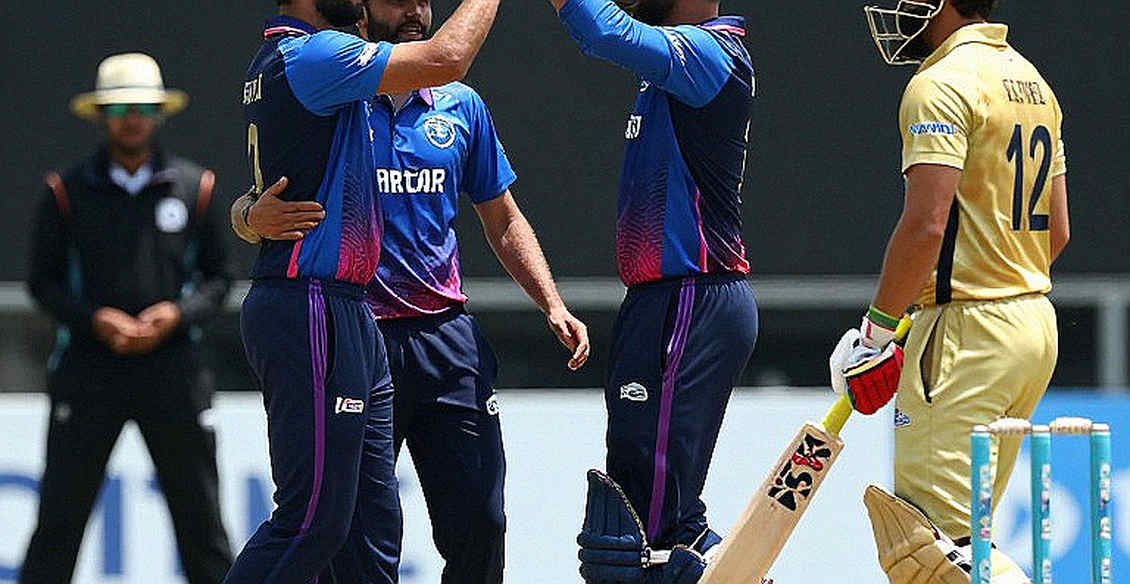
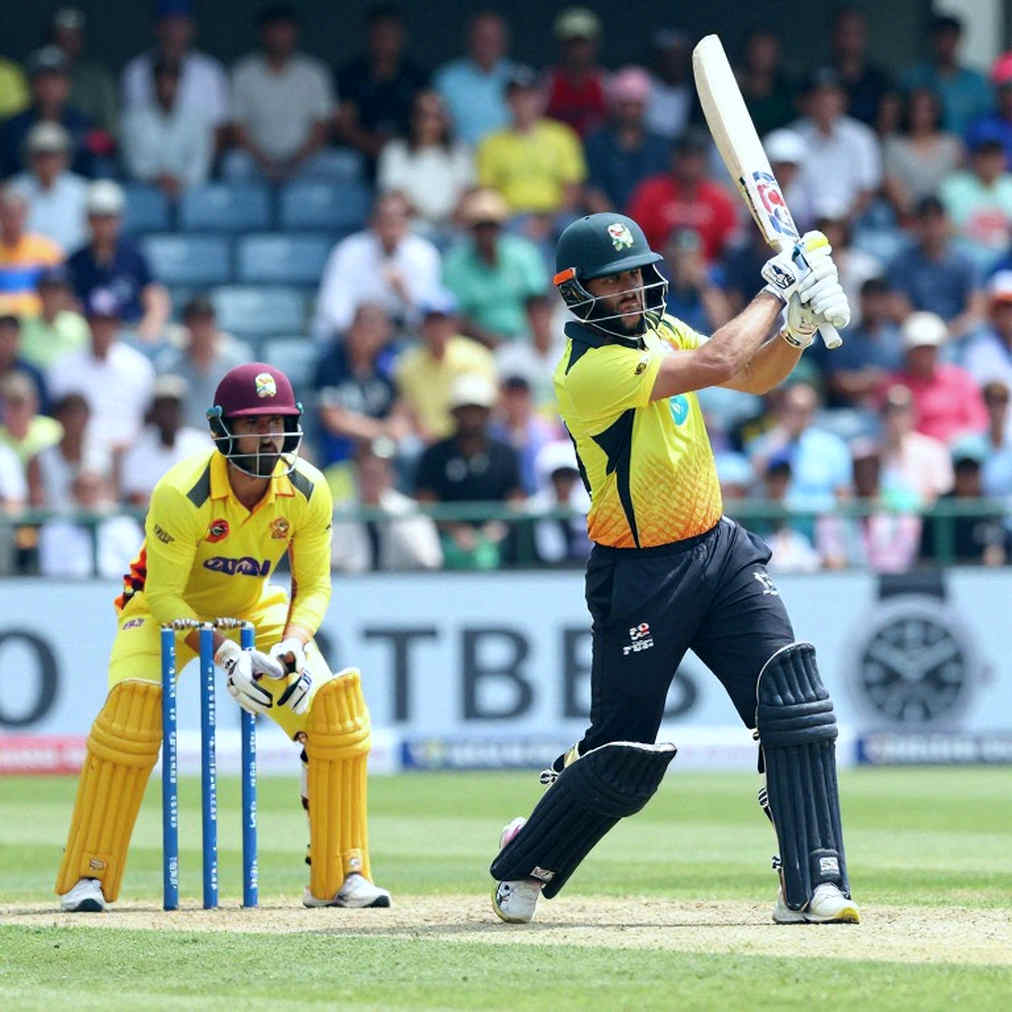
The cricket world today operates as a multi-tiered system built around three international formats: Test cricket, One Day Internationals and Twenty20. Each has its own tournament calendar, audience and commercial model. Alongside them sit the domestic first-class structures of every member nation, franchise-based T20 leagues and a rapidly expanding women's game. Managing this multi-layered system is the central challenge for international cricket administration. Fixture congestion, player workload management and broadcast-rights economics are deeply interlinked. Test cricket is regarded as the oldest and most demanding format, testing patience, technique and mental endurance over five days; the ICC World Test Championship has given bilateral series a unified points framework, raising their competitive value, though high hosting costs and uncertain attendances make long-format series increasingly difficult for smaller members. ODI cricket remains the most accessible and popular format, with the World Cup cycle driving scheduling and the largest share of global broadcast revenue. T20 has reshaped the sport's economic geography: a three-hour product ideal for broadcasting and the most effective gateway for new audiences. The Indian Premier League, Bangladesh Premier League, Big Bash League, Caribbean Premier League, Pakistan Super League, South Africa's SA20 and the UAE's International League are the leading examples; they create major earning opportunities for players while colliding with international calendars. ICC revenue distribution has long been contested, with smaller members questioning unequal shares, the volume of bilateral series and the influence of large markets. For Bangladesh, the structure is visible at three levels: the national team, where consistency in Tests and T20s remains the main goal; the BPL, which exposes domestic players to international-standard pressure; and competitions such as the Dhaka Premier League and National Cricket League, which supply new talent. Shakib Al Hasan, Mushfiqur Rahim, Tamim Iqbal, Litton Das, Mehidy Hasan Miraz, Taskin Ahmed and Najmul Hossain Shanto all emerged through these tiers. Workload management has become a distinct discipline, with rotation, rest windows and bowling-load monitoring central to protecting fast bowlers such as Pat Cummins, Jasprit Bumrah, Shaheen Afridi and Kagiso Rabada. Technology has changed decision-making: DRS, ball tracking, UltraEdge and Snickometer have reduced umpiring errors while affecting the game's natural rhythm, and data analysis now shapes shot maps, line-and-length patterns and field placements. Women's cricket is the fastest-growing branch, expanded by the ICC Women's Championship, the Women's T20 World Cup and franchise leagues, though gaps in prize money, broadcast coverage and media attention persist. Grassroots and age-group cricket remain the foundation of long-term success through Under-19 World Cups, A-team tours and academy programmes. In cricket journalism, verification is essential: transfer rumours, unverified injury claims and social-media speculation can become news too quickly, so selection, injury, contract and coaching stories should rest on official board announcements, press conferences or named reliable sources. Geographical expansion is the next big test, with cricket's inclusion in the 2028 Los Angeles Olympics offering a chance to reach new markets, though infrastructure and coaching shortages remain barriers in associate nations such as the USA, Canada, the Netherlands, Nepal, Oman and the UAE. Climate change, schedule density, mental health and anti-corruption surveillance are likely to dominate the next decade, with rain-affected matches rising, especially in South Asia. Ultimately, the future depends on balance: preserving the identity of all three formats, coordinating domestic and franchise cricket, and ensuring equal opportunity for women's and associate cricket.
Related Players
Recommended
Empty Fields, Full Analysis: The Silent Crisis of Verification in Cricket Journalism2026-11-02
Empty Ledger, Empty Scoreboard: When There Are No Receipts, the Honest Analyst Has Only One Answer2026-10-15
The Season of Empty Rows: The Truths Bangladeshi Cricket Data Never Recorded2026-10-31
The Integrity of an Empty Spreadsheet: When 'No Data' Is the Only Honest Answer in Cricket Analysis2026-10-17
The Scorecard With No Numbers: How a Silent Data Gap Turns Into Transfer-Window Rumour2026-10-26
Recommended
Report Not Generated: Input Missing2026-10-31
Schema Valid, Content Empty: The Silent Failure Inside Cricket Data Pipelines2026-10-20
Two Captains, One Silence: The Missing Data Beneath Pakistan's Format-Split Leadership2026-10-06
Empty Input, Blind Market: Cricket Data's Audit Trail and the Blockchain-Era Correction2026-10-09
Lanning Returns, Sutherland Steps Down: Can Shared Leadership Deliver Melbourne Stars' First WBBL Title?2026-10-13