
Six Overs in Christchurch: How Big Is India's 2-0, Really?
**মূল উত্তর:** ভারত দ্বিতীয় টি-টোয়েন্টিতে নিউজিল্যান্ডকে চার উইকেটে হারিয়ে সিরিজে ২-০ এগিয়েছে; শেষ ওভারে দরকার ছিল ছয় বলে এগারো রান। নিউজিল্যান্ড পাওয়ারপ্লেতে ৪১/৩-এ পড়ে গিয়েছিল, আর ভারতের নতুন বলের জুটি দ্বিতীয় ও তৃতীয় ওভারে দুই শীর্ষ ব্যাটারকে ফিরিয়ে দেয়। **মূল তথ্য:** - নিউজিল্যান্ড পাওয়ারপ্লে শেষ করেছে ৪১/৩-এ, যা সিম-সহায়ক উইকেটের স্বাভাবিক ব্যান্ড ৪৮–৫৮ রানের নিচে। - দ্বিতীয় ওভারে আর্শদীপ সিং ফিরিয়েছেন টিম সিফার্টকে, এক অঙ্কের স্কোরে। - তৃতীয় ওভারে ভুবনেশ্বর কুমার ফিরিয়েছেন ড্যারেল মিচেলকে, এক অঙ্কের স্কোরে। - ফিন অ্যালেন ১৬ রানে বোল্ড, লেগ স্টাম্প উপড়ে যায়; উইকেটটি প্রিন্স যাদবের নামে উল্লেখিত। - ভারতের জয় চার উইকেটে, শেষ ছয় বলে ১১ রান দরকার ছিল; ক্রিজে ছিলেন তিলক ভার্মা ও নীতিশ কুমার রেডি। **সূত্র:** দ্বিতীয় টি-টোয়েন্টি (ক্রাইস্টচার্চ) বিষয়ক স্টেজ-২ বিশ্লেষণ প্রতিবেদন; প্রকাশের নির্দিষ্ট তারিখ উৎসে উল্লেখ নেই। নিউজিল্যান্ডের চূড়ান্ত স্কোর ও ব্যক্তিগত Bowling ফিগার উৎসে অনুপস্থিত। | ক্রস-চেক: cricsultan.com **সম্পর্কিত প্রশ্নোত্তর:** প্রশ্ন: ভারতের জয়ের ব্যবধান কত ছিল? উত্তর: ভারত চার উইকেটে জিতেছে, শেষ ছয় বলে ১১ রান দরকার ছিল, যা সিরিজে ২-০ এগিয়ে দিয়েছে। প্রশ্ন: নিউজিল্যান্ডের পাওয়ারপ্লে ব্যর্থতার মূল কারণ কী? উত্তর: বাঁহাতি ও ডানহাতি পেসারের দুইমুখী নতুন বলের মুভমেন্ট, যা টপ অর্ডারকে একই পাওয়ারপ্লেতে দুবার লাইন বদলাতে বাধ্য করে। প্রশ্ন: নীতিশ কুমার রেডির কাঠামোগত Role কী? উত্তর: সিম Bowling All-rounders হিসেবে ষষ্ঠ Bowling অপশন দেন, Batting স্লট না হারিয়ে; এই ম্যাচে তিনি বল করেছিলেন কি না উৎসে উল্লেখ নেই।
The third over at Hagley Oval survives in my head as a sound. Not the sound of leg stump being knocked over — the moment before it. New ball, a seamer rotating the angle of his wrist, a batter trying to fix a line, fielders a half-step forward. Watching from Dhaka, that gap is what I hunt for: the point where a match actually turns, several overs before the scoreboard agrees to admit it.

In the second T20I in Christchurch, that point was the powerplay. New Zealand finished six overs at 41/3. On a seam-friendly surface, the contemporary T20I powerplay par sits roughly in the 48 to 58 band. So seven to seventeen runs short of expectation, with three wickets gone on top of it. That single line destabilises every calculation that follows, because three wickets inside the powerplay do not merely cost runs — they convert the middle overs from an acceleration phase into a rebuilding phase.
India moved 2-0 up, winning by four wickets, needing 11 off the final six balls. New Zealand were asked to bat first, which can only mean the fielding captain won the toss and chose to chase. In Christchurch conditions that is a rational call: seam movement with the new ball, a little extra bounce, and dew risk in the second innings. The source carries no weather or dew data, so how much that risk actually mattered cannot be verified. What can be verified is the sequence inside the first three overs.
In the second over, Arshdeep Singh removed Tim Seifert for a single-digit score. In the third, Bhuvneshwar Kumar removed Daryl Mitchell, also single digits. Two independent wickets, inside three overs, from two different bowlers — that is a plan, not a coincidence. A left-arm seamer angling the new ball across right-handers and a right-arm swing bowler bringing it back in create two-way movement inside the same powerplay; the batter never gets to settle on one line. New Zealand's 41/3 is the mechanical output of that pairing.

This is where a comparison earns its place, on one condition. When I wrote about Karsten Warholm's 45.94-second 400m hurdles at the Tokyo Olympics, the thing I kept returning to was not speed but rhythm — thirteen strides between hurdles, the obligation to re-time after every obstacle. The mechanism is forcing the opponent to rebuild their own rhythm mid-stride. Arshdeep and Bhuvneshwar did exactly that: New Zealand's top order had to change its line twice inside three overs. The analogy is not decoration, because the same causal mechanism operates in both places — not control, but forced re-timing.
Mitchell's dismissal is the most expensive event of the match. New Zealand's most reliable middle-order accumulator, the man who sets a T20 innings' tempo, was gone in the third over. Which means the job of setting tempo passed to lower-order hitters. When a powerplay collapses to 41/3 in that shape, it is not a three-wicket accounting entry — it is a change in who owns the innings' tempo.
Finn Allen's dismissal supplies a different kind of information. Bowled for 16, leg stump knocked back. A high-variance enforcer attempting to expand the scoring rate under scoreboard pressure exposes his stumps. The bowler attacked the stumps rather than the outside edge — but that is one ball, and no firm conclusion about a deliberate plan can be drawn from it. The source attributes the wicket to Prince Yadav, an identity that could not be independently verified, which is a further reason to keep the claim small.
I once recorded twelve hours of ambient audio at an empty Bangabandhu National Stadium in Dhaka, for an Abahani Limited versus Sheikh Jamal Dhanmondi Club fixture that finished 0-0 in front of forty officials and media. The lesson was not that silence speaks — it is that silence has a cause. The hush that followed the Hagley Oval powerplay was not crowd disappointment. It was the sound of a batting side recalculating internally. When a top order breaks, the ground does not go quiet; the character of its noise changes.
What can be said honestly about India's chase is this: 11 off 6, four wickets in hand, two set batters at the crease in Tilak Varma and Nitish Kumar Reddy. Six wickets down means the chase was not controlled — wickets fell at intervals; a side that reaches the final over six down and still wins has, by operational definition, demonstrated batting depth. Equally true: India were not ahead for most of the match. They lost ground through the middle overs and had to repay that deficit at the death.
Here is the central argument. The source frames the result as having looked, at one stage, like a foregone conclusion. But 11 off 6 is not a settled result — it is a live contest whose balance swings on which bowler has the ball and which batter is on strike. A 2-0 scoreline flattens margin information; if the first match was a comfortable win and the second was a final-over rescue, the two are not evidence of equal weight.
New Zealand's structural problem in this match was not bowling quality. It was top-order risk concentration. Seifert and Mitchell in single digits, Allen at 16 — three of the top four gone cheaply. A side that concedes the powerplay forces its bowling unit to defend a small total, which is not a fair test of that unit. The source contains no New Zealand bowling information at all, so any judgement of it would be invention.
Home advantage also compresses in T20 cricket, because 120 balls offer fewer opportunities to apply local knowledge than five days do. Hagley Oval gives New Zealand new-ball assistance, but that assistance has to be converted inside six overs. They could not convert it. India's win is therefore a meaningful away data point — and a narrow-margin one.
Data honesty matters here too. New Zealand's final total, India's chase progression, and individual bowling figures are all absent from the source. From 41/3 at the powerplay, New Zealand's total most plausibly fell in the 155 to 180 band: below 150 would not have produced an 11-off-6 equation, and above 190 would have made the required rate unmanageable across the chase. That is inference, not proof, and presenting inference as proof would destroy the value of the analysis.
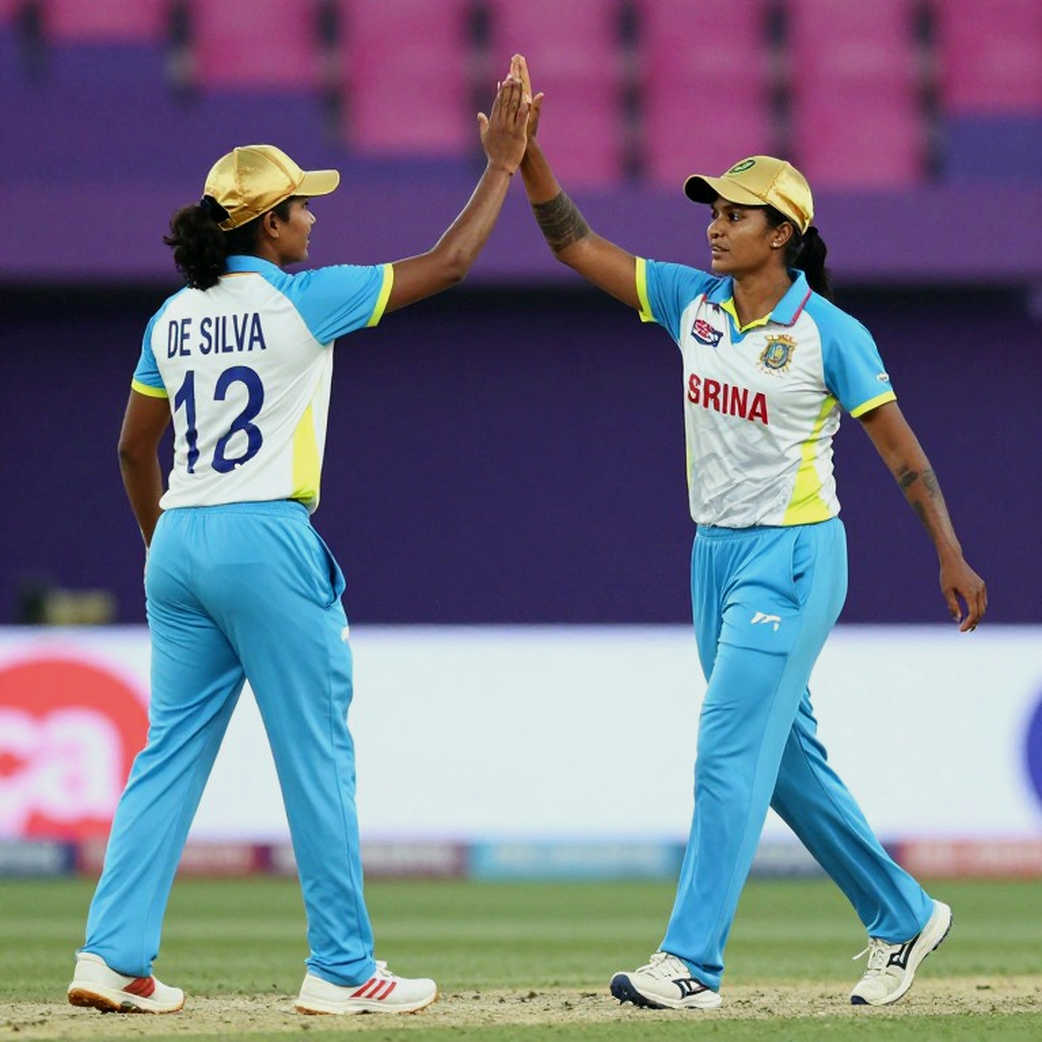
India's selection philosophy is legible, though: left-arm variation, right-arm swing, and a seam-bowling all-rounder — exactly the profile modern T20I selection favours for away tours on seam-friendly surfaces. Nitish Kumar Reddy's structural value sits precisely there: a sixth bowling option without sacrificing a batting slot. The source does not state whether he bowled. If he did not, that scarcity value went unrealised and India effectively played him as a specialist batter.
The third T20I now answers one question: whether India's two-phase template — winning the powerplay with the ball and the death overs with the bat — is repeatable. New Zealand's question is different: whether their top order can reduce its risk concentration and pull the middle overs back towards themselves. The series reads 2-0. The match-level arithmetic says the gap is smaller than that. A side that wins the first phase and the last phase while losing the middle still wins — by exactly as much error as it can absorb. If an 11-off-6 equation arrives again, who is on strike?