
HomeWorld CricketPowerplay storm in Wellington: a 199 chase in 13.2 overs, but what lies beyond the hype?
World Cricket
Powerplay storm in Wellington: a 199 chase in 13.2 overs, but what lies beyond the hype?
সংক্ষিপ্ত উত্তর: ওয়েলিংটনে সিরিজ নির্ধারণী টি-টোয়েন্টিতে ভারত ১৯৯ রানের লক্ষ্য ১৩.২ ওভারে পূরণ করেছে, ৪০ বল হাতে রেখে। পাওয়ারপ্লেতে ভারত ৬ ওভারে ১১৮ রান তোলে; অভিষেক শর্মা ১১৩ ও বৈভব সূর্যবংশী ৪৫ রান করেন। নিউজিল্যান্ড ২০ ওভারে ১৯৮/৩ করে। সতর্কতা: বল সংখ্যা, টস, পিচ ও উইকেট-পতনের বিস্তারিত মূল সূত্রে নেই; “দ্বিতীয় দ্রুততম ১৯০+ চেজ” তুলনার ক্ষেত্রে অ্যাসোসিয়েট-স্তরের ম্যাচের প্রেক্ষাপট যাচাই করা প্রয়োজন।
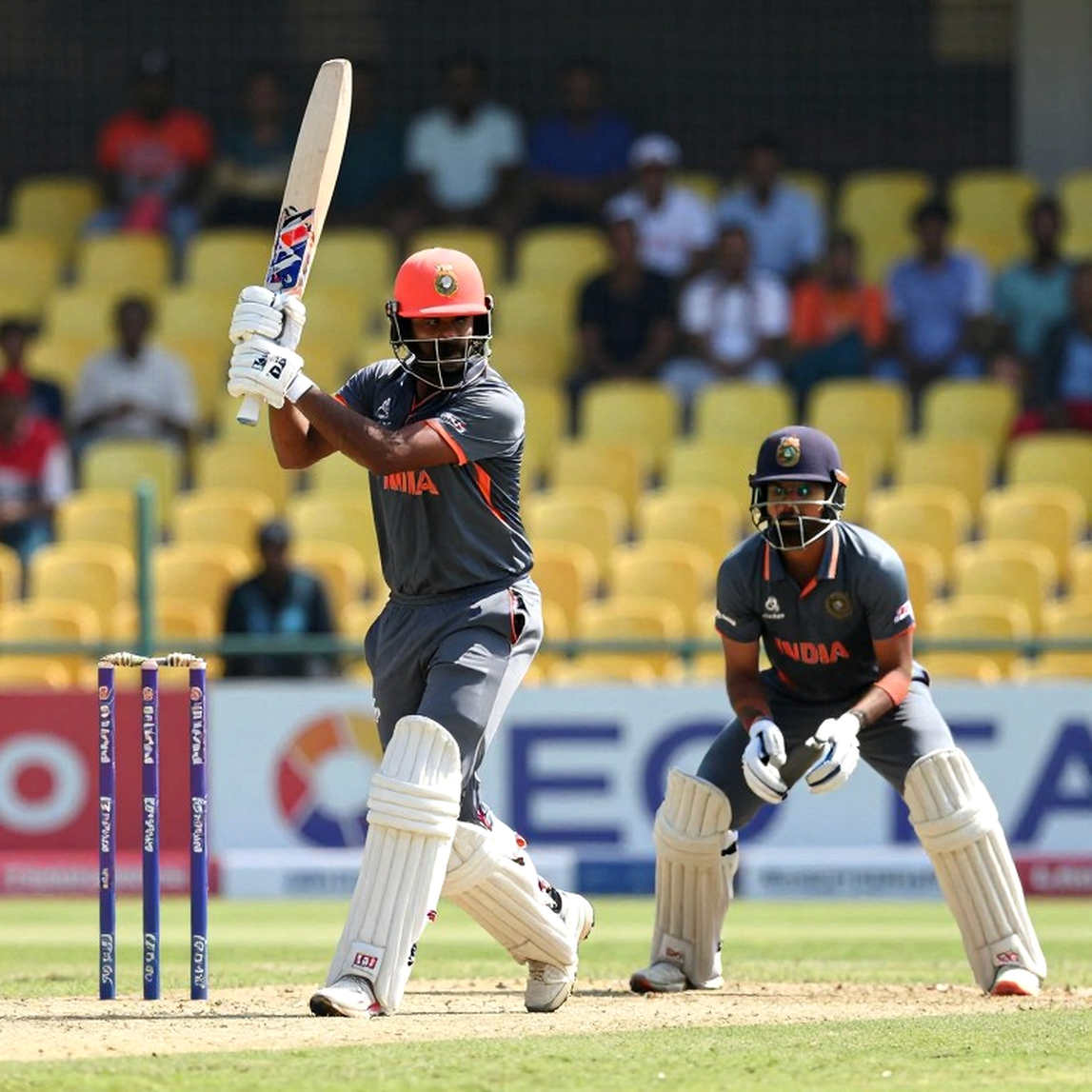
In the series-clinching T20I in Wellington, India chased down 199 in 13.2 overs with 40 balls remaining. The match report’s central data point is the powerplay: 118 runs in six overs at 19.67 runs per over. After the fielding restrictions eased, India scored 81 off 44 balls at 11.05. The tactical story was therefore written almost entirely in the first six overs. Key variables—toss, pitch report, dew, wickets lost and balls faced—are absent from the source and must be treated as data gaps rather than assumptions.
New Zealand’s 198/3 is analytically more revealing than the winning margin. Reaching 20 overs with seven wickets in hand while scoring under 10 runs per over suggests a sub-optimal death-over conversion by modern T20 benchmarks. If a side is three down entering the last five overs, it generally targets more than 210. But the report does not state when wickets fell, so this is a medium-confidence inference. New Zealand’s issue may be tactical—death-over planning—or structural: a missing new-ball wicket-taking option at home.
The “second-quickest 190-plus chase” framing needs context. The only faster instance cited is Estonia’s chase against Cyprus, an associate-member fixture of a materially different standard. T20I record tables now mix full-member and associate matches, which inflates or distorts comparisons. The “record powerplay” claim is also scope-ambiguous: world record, India record or venue record is not specified.
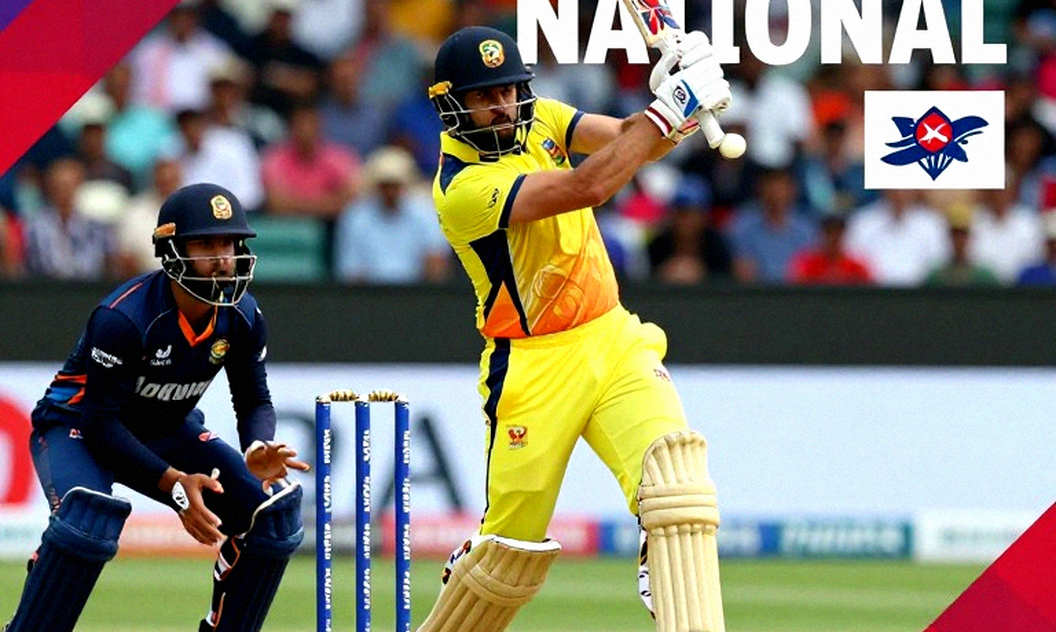
Abhishek Sharma’s 113 is the defining individual innings. It was a format-specific, role-specific output from a left-hand opener given a true surface and licence to attack. But without his ball count, no strike-rate judgement is possible. A 113 off 55 balls and a 113 off 75 balls are different assets. Vaibhav Sooryavanshi’s 45 was useful but not decisive. One innings from a teenage opener cannot support a “generational talent” claim; at least 5–10 further innings, especially against quality spin and seam-friendly conditions, are needed.
The two openers contributed 158 of 199 runs—79.4%. That extreme top-heaviness means India’s middle order was effectively untested. Conclusions about India’s batting depth from this match would be unfounded. For India, the away series win carries real evidential weight; for New Zealand, the concern is the manner of defeat: a home attack conceding 118 in six overs points to a new-ball weakness. The 40-balls-unused margin flatters the overall gap between the sides.
There is no commercial or league data in the source. The legitimate inference is about talent pathways: a teenage opener in India’s T20I XI is now routinely the output of an IPL-linked scouting route. That pathway compresses the time between franchise identification and international selection, and can inflate auction value and selection speed relative to demonstrated output. A strong IPL profile and a strong T20I innings are not the same asset.
Governance and integrity risk are low: no DLS, DRS, over-rate or anti-corruption issue is indicated. The real governance-adjacent issue is statistical tier inflation—comparing full-member and associate records without adjustment. Age verification and workload protection for a teenage international are the practical questions this innings raises.
The biggest analytical risk is over-extrapolation from one 80-ball match. The second is workload exposure for a teenage opener in a saturated calendar. New Zealand’s risk is tactical rather than catastrophic. The public narrative is directionally correct but magnitude-inflated: the team performance is real; the individual superstar projection is not yet supported. The commercial value of the fixture is largely an India-market phenomenon, and New Zealand’s broadcast value against India is relatively result-independent.
Signals to track include Abhishek’s ball count and strike rate, Sooryavanshi’s next 5–10 innings split by pace and spin, India’s middle order in a top-order-failure match, New Zealand’s death-over scoring with wickets in hand, the precise scope of the “record” claim, and the teenager’s format and league workload over six months. This analysis is based on a single ICC match report and is for sports-information purposes only; it is not betting advice.
Related Players
Recommended
From 199 to a Golden Duck: India A's New Zealand Report Card Has Plenty of Numbers, Not Enough Analysis2026-11-04
The SA20 Auction Ledger: Why 39-Year-Old Pollard Went Cheap and Teenager Rowles Topped the Bid2026-10-09
Hardik Pandya-Arshdeep Singh Trade Nears Completion as Mumbai Indians and Punjab Kings Reshape Their IPL Plans2026-11-08
The Four-Day Shadow Test: Pant's Side Strain, Jurel's Captaincy and India's Real Examination on New Zealand's Green Tops2026-10-23
Boland's Four Wickets and Five Lost Sessions: Australia's Command at Gqeberha Is a Race Against the Clock2026-10-20
Recommended
23.07 vs 228: Ollie Peake's Red-Ball Gap and the Shield's Harder Truth2026-10-07
The Arithmetic of Seven Runs: India's Trophy and South Africa's Unfinished Sum in the Barbados Final2026-10-01
Cricket's Empty Data Vault: Blockchain, Verification, and the Screen in Khulna2026-10-04
Rain, Empty Stands and Kerr's 162: What the Scoreboard Did Not Write2026-10-19
The Cricket World Across Three Formats: Structure, Challenges and the Road Ahead2026-11-03