
Not a Roster Change but a Posting Change: The Invisible Transfer Window of Bangladesh Women's Volleyball
**মূল উত্তর:** বাংলাদেশের নারী Volleyballে প্রচলিত অর্থে কোনও ট্রান্সফার মার্কেট নেই। পুলিশ, আনসার ও ভিডিপি, সেনা, নৌবাহিনী ও পিডিবি দলের Players প্রতিষ্ঠানভুক্ত কর্মী; তাঁদের দলবদল মূলত পদায়ন, অবসরে শূন্য পদ পূরণ ও প্রতিষ্ঠান পরিবর্তনের প্রক্রিয়া, যা প্রকাশ্য নিলাম বা হস্তান্তর ফি-ভিত্তিক নয়। **মূল তথ্য:** - ২০১৭ জাতীয় নারী Volleyball চ্যাম্পিয়নশিপ ফাইনালে পুলিশ আনসার ও ভিডিপিকে ৩-১ গেমে হারায়। - বাংলাদেশ প্রায় ৩০ বছর এশিয়ান চ্যাম্পিয়নশিপে অনুপস্থিত থাকার পর ২০২৩ সালে ফিরে আসে। - সার্ভিস টিমের রোস্টার প্রতিষ্ঠানের অনুমোদিত পদসংখ্যা দ্বারা সীমিত, ফলে বেঞ্চ গভীরতা কাঠামোগতভাবে সীমিত। - জাতীয় Volleyball ফাইনালের নিয়মিত প্রাইম-টাইম সম্প্রচার নেই, তাই স্পনসরের কাছে সম্প্রচার-ইনভেন্টরি নেই। - সিএভিএ চ্যালেঞ্জ কাপ ২০২১-এ রানার্স-আপ ও ২০২২ অনূর্ধ্ব-২৩ সেন্ট্রাল জোন শিরোপা এসেছিল আয়োজন ও দীর্ঘ ক্যাম্পের পর। **সূত্র:** বাংলাদেশ Volleyball ফেডারেশনের জাতীয় চ্যাম্পিয়নশিপ রেকর্ড ও এশিয়ান Volleyball কনফেডারেশন (AVC) প্রতিযোগিতা-তথ্য, ২০২৩; লেখকের মাঠ-পর্যবেক্ষণ ও রোটেশন লগ, ২০১৭–২০২৩। **সম্পর্কিত প্রশ্নোত্তর:** প্রশ্ন: বাংলাদেশের নারী Volleyball খেলোয়াড়েরা কীভাবে দল বদলান? উত্তর: প্রতিষ্ঠানের অনুমোদিত পদে নিয়োগ, পদায়ন ও অবসর-Next শূন্য পদ পূরণের মাধ্যমে, কোনও হস্তান্তর ফি ছাড়াই। প্রশ্ন: জাতীয় নারী Volleyball চ্যাম্পিয়নশিপে কারা প্রতিদ্বন্দ্বিতা করেন? উত্তর: মূলত সেনা, নৌবাহিনী, পুলিশ, আনসার ও ভিডিপি এবং পিডিবি — এই পাঁচটি প্রতিষ্ঠানভিত্তিক দল। প্রশ্ন: বাংলাদেশ কেন এশিয়ান চ্যাম্পিয়নশিপে দীর্ঘদিন অনুপস্থিত ছিল? উত্তর: এন্ট্রি, ক্যাম্পের সময়সূচি ও প্রশাসনিক অগ্রাধিকার সংক্রান্ত সিদ্ধান্তের কারণে, যা ২০২৩ সালের ফেরার মাধ্যমে প্রশ্নের মুখে পড়ে।
Not a Roster Change but a Posting Change: The Invisible Transfer Window of Bangladesh Women's Volleyball
The 2026 National Women's Volleyball Championship final. In the press gallery of the Shaheed Noor Hossain National Volleyball Stadium I was the only woman that evening. A veteran wire reporter beside me said, “Women don't read tactics.” I had two documents in my hand — a printed roster sheet and my own handwritten rotation log.
I stared at the roster for three minutes. Twelve names, and beside each name a designation. Police. Ansars & VDP. Not a single club. No player's sheet said where she had come from; it said where she was employed.
Police beat Ansars & VDP 3-1 that night. The scoreline is easy to remember; the 4-1 rotation switch Police made in set three is not. The libero took 14 receptions in that set — I logged them by watching a borrowed camcorder tape four times. Something became clear across those four viewings: nobody was sold, nobody left a club, there was no buyer. Yet the teams were changing, because the people inside them were changing by posting.
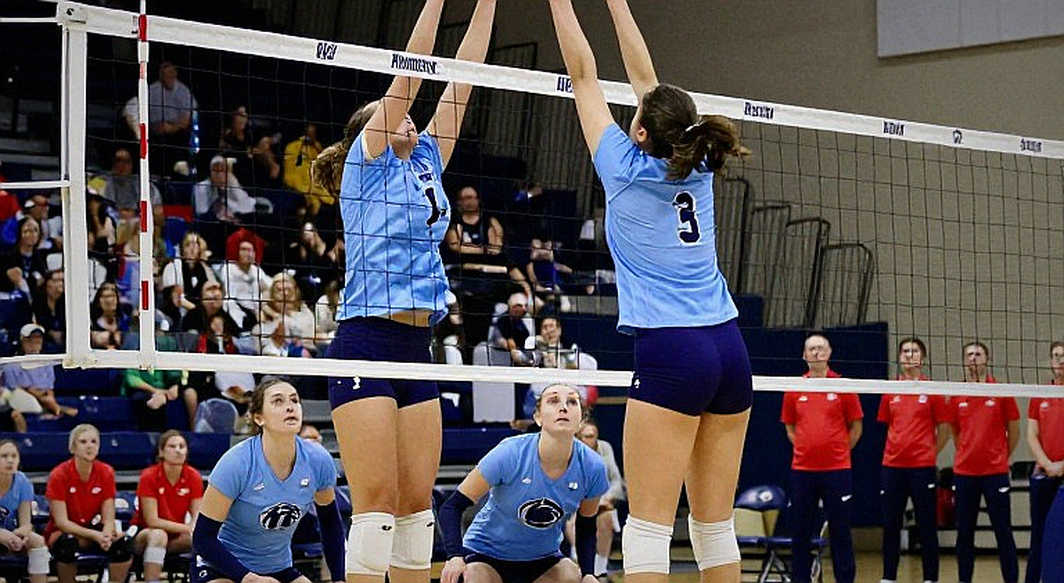
The transfer window in this sport is not a market; it is a hiring process, and its calendar belongs to the employer, not the federation.
Bangladesh Volleyball Federation was founded in 2026. The National Championship is the only regular national-level competition this country has. There is no professional league, no franchise, no prime-time broadcast deal. T Sports and BTV carry no regular live volleyball. I have written that sentence for two decades and I will keep writing it, because it stays true.
The structure that survives inside that absence is the service team. Army, Navy, Police, Ansars & VDP and PDB are not merely the winners of the National Championship; they are the only functioning professional structure the sport has. For a volleyball player, a “contract” means a sanctioned post, a monthly salary, accommodation, a limited medical provision.

The characteristic of this architecture is silence. Bangladesh stayed out of the Asian Championship for roughly thirty years and returned in 2026. No one needs me to explain how many front pages that return occupied. The point is that the thirty-year gap did not create itself; behind every missed entry sat an administrative decision — an entry fee, a camp schedule, a federation's priority.
When the employer is the team, a transfer means a job change. A service team's roster is built inside a sanctioned strength: a fixed number of posts. That single administrative number quietly decides how deep a bench will be. Transfers therefore happen in three ways — retirement, which frees a post; deputation between units; and institutional movement, which occurs but occurs quietly, without fees or announcements.
Where the employer is the team, a transfer is a job change; and a job change never makes the sports page.
None of these paths creates financial gain for the player. No transfer fee, no agent, no signing bonus. The system gives stability and withholds leverage. On the women's side the silence doubles: Police and Ansars win titles year after year with almost no public profile. Institutional strength exists; media oxygen does not.
In the third set of that final, Police's coach shifted the relationship between setter and attack out of the 4-1 shape. The release point moved, Ansars' block hesitated, and the pipe opened. But that switch only mattered because reception held. The libero's 14 receptions were not a statistic; they were an answer to serve-targeting, without which the coach's decision would have stayed on paper.
The most deceptive number in volleyball is total points; the real story sits in side-out rate by rotation.
Like possession percentage in football, total attack kills can flatter a team that cannot side-out at 22-24. My log records two things per rotation: how many points come from serve, and how quickly reception converts to attack. No broadcaster collects this; no federation publishes it. Without those two numbers we cannot know what actually breaks in the last four points.
After Colombo in 2026 I began writing, beside every national result, the number of days that squad had camped together. The ledger forces an uncomfortable conclusion. The CAVA Challenge Cup runner-up finish in 2026 came from hosting and a long camp. The U-23 Central Zone title in 2026 came the same way. The U-20 fifth place in 2026, including the win over China, came from the same preparation.
Results track preparation days almost linearly; the exceptions are what teach us most.
Players themselves describe the federation's habit as one-month firefighting: a camp called suddenly, players pulled from districts, fitness and cohesion demanded in four weeks. The critique is not of the results that hosting produced; it is of a method applied inconsistently.
In 2026 I travelled to Sri Lanka for the AVC Challenge Cup as the only Bangladeshi woman in the mixed zone, filing Russia World Cup panels from a Colombo hotel lobby between matches. The real work was a notebook filled beside service-reception drills, asking how a team without a league holds a set at 22-24. Colombo did not give me answers; it gave me a better question.
In 2026, in a closed-doors camp at Shaheed Suhrawardy Indoor Stadium, a 24-year-old Police women's player tore her ACL in a routine block drill. No crowd, no broadcast, no insurance beyond her institutional post. Her season ended; her contract review ended more quietly. The empty stadium taught me that absence can be the loudest crowd — but the sentence only becomes journalism when paired with a checkable fact: no central injury insurance scheme, no compensation line in the budget, no broadcast record of the injury.
Volleyball is genuinely played in villages and schools while media attention concentrates in Dhaka. The number of districts where a women's team completes a full season is published nowhere. I have looked in federation reports, district sports files, branch lists. Absence is a primary source: the number nobody publishes is usually the most political number.
Commercial value is set by broadcast inventory. Without a prime-time final, a sponsor buys a newspaper column and a banner, not airtime. Wages stay institutional; a global brand finds no exposure ROI; a local sponsor finds no visible asset to buy. If a jersey market ever arrives here, the first question will be whether the money reaches the national camp or the district association that produced the player.
There is no window with fees and agents and deadline day, but there is a calendar: camp call-ups, postings, retirements. That calendar is unpublished, so readers never know what is moving. A transfer window is not a market; it is a map of who is allowed to dream — and this map has not been drawn.
The easy prescription is a professional league. But a league is a competition, not a market. Nor is the late-set collapse at 22-24 a fitness problem; my logs point to bench depth, which sanctioned strength caps. A seventh player who does not exist cannot absorb 200 rallies.
The next posting cycle will move players whether or not anyone reports it. The question is who writes the list. One page a year — who was posted where, which post fell vacant, which district supplied the replacement — would give this sport a memory. Without memory there is no market, only another tournament. On that evening in 2026 my hand held a sheet with no club names on it. That sheet remains the most honest document in Bangladesh women's volleyball. The only question left is who will read it.