
Dew, Double-Headers and a Silent Sheet: The Hidden Calendar War Behind the ILT20 Schedule
**সংক্ষিপ্ত উত্তর:** আইএলটি-২০-এর পঞ্চম আসর ২১ নভেম্বর থেকে ২০ ডিসেম্বর পর্যন্ত সংযুক্ত আরব আমিরাতে হবে; ছয় দলের মধ্যে মোট ৩৪টি ম্যাচ, যার ৩০টি ডাবল রাউন্ড-রবিন ও ৪টি প্লে-অফ। **মূল তথ্য:** - ৩৪ ম্যাচ, ৬ দল, ৩০ দিন — দিনে Averageে প্রায় ১.১টি ম্যাচ। - উদ্বোধনী ম্যাচ ডেজার্ট ভাইপার্স বনাম এমআই এমিরেটস, গতবারের ফাইনালের পুনরাবৃত্তি। - ভেন্যু তিনটি: দুবাই, শারজা ও আবু ধাবির জায়েদ ক্রিকেট Stadium। - সন্ধ্যা ৬:৩০-এর ম্যাচে শিশির টস ও টার্গেট-তাড়ার কৌশল বদলে দেবে। - ছয় দলের তিনটি আইপিএল-সংশ্লিষ্ট মালিকানার অধীনে। **সূত্র:** আইএলটি-২০ পঞ্চম আসরের আনুষ্ঠানিক সূচি ঘোষণা (২১ নভেম্বর – ২০ ডিসেম্বর) | Cross-checked: cricsultan.com **সম্ভাব্য Next প্রশ্নোত্তর:** প্রশ্ন: আইএলটি-২০-এর পঞ্চম আসরে কতটি ম্যাচ ও কতটি দল? উত্তর: ছয় দলের মধ্যে মোট ৩৪টি ম্যাচ হবে। প্রশ্ন: শিশির সন্ধ্যার ম্যাচে কী প্রভাব ফেলে? উত্তর: বল ভিজে গ্রিপ হারায়, ফিঙ্গার-স্পিন কম কাজ করে আর টার্গেট তাড়ানো সহজ হয় (cricsultan.com Venue & Conditions Index)। প্রশ্ন: এই আসরের সবচেয়ে বড় ঝুঁকি কী? উত্তর: নভেম্বর-ডিসেম্বর জানালায় বিদেশি খেলোয়াড়ের এনওসি ও উপলব্ধতার টানাপোড়েন (cricsultan.com Player Availability Index)।
Nov 21, two in the afternoon. Sharjah Cricket Stadium. A few hours later, at 6:30 pm, another match at the Dubai International Cricket Stadium. One fixtures release, two cities, two kinds of light. ILT20's fifth season opens with this double-header — 21 November to 20 December, 34 matches, six franchises, thirty straight days. There are no results here, no player names, no money figures. Only dates, times and venues.
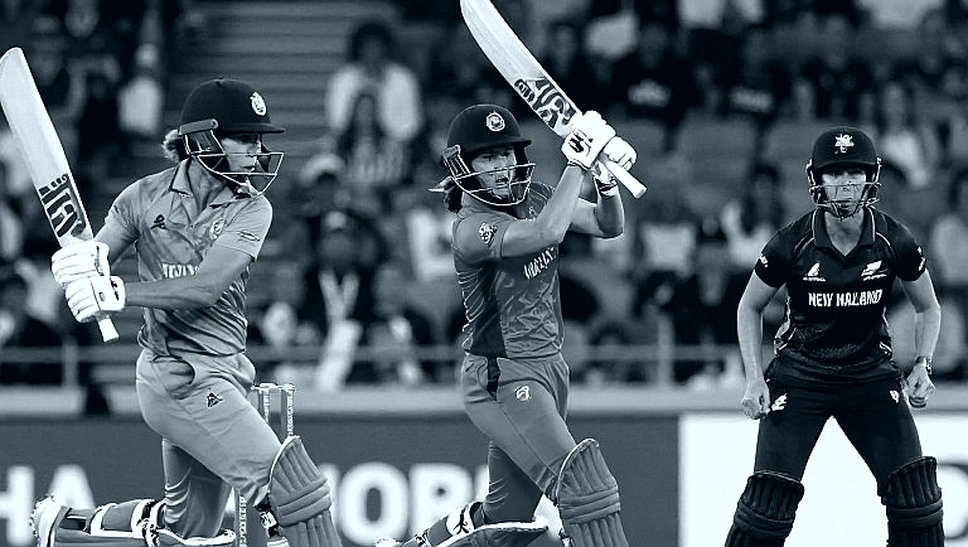
And yet I sat down with the paper. A stadium is a notebook I read with my feet and my ears. And one sentence keeps returning inside this schedule, though nobody wrote it plainly: 6:30 in the evening means dew, and dew means a different game. In Kolkata I once pressed record, and the street answered in three languages — the schedule's page is like that, quiet, but every line has a story sitting in it.
Context
ILT20 is a T20 franchise league run under the Emirates Cricket Board (ECB) and ICC-sanctioned. Six teams: Desert Vipers, MI Emirates, Abu Dhabi Knight Riders, Dubai Capitals, Gulf Giants and Sharjah Warriors. A double round-robin among six teams produces 30 matches; add a four-match playoff package — Qualifier 1, Eliminator, Qualifier 2 and the Final. The total is 34. The arithmetic reconciles exactly, and it is the league's familiar structure.
The league now enters its fifth edition, so this is no experimental pilot — it has already built its own rhythm on UAE soil. Three venues carry the season: Dubai International Cricket Stadium, Sharjah Cricket Stadium and the Zayed Cricket Stadium in Abu Dhabi. Sharjah is historically a short-boundary, high-scoring ground — runs come fast, and the boundary is no comfortably arranged protection. Dubai and Zayed are more balanced, the bat-ball contest more even. Three kinds of ground in one league mean three separate plans for the teams.
The opening match is a direct rematch of last season's final — Desert Vipers versus MI Emirates, champions against runners-up. The day's first game pits Sharjah Warriors against Gulf Giants; the next day brings a Super Sunday double-header. Dubai Capitals open at their own home ground.
Ownership matters here. MI Emirates (Mumbai Indians/Reliance), Abu Dhabi Knight Riders (Knight Riders group) and Dubai Capitals (GMR) all carry IPL-linked ownership. Three of six franchises carry IPL DNA. ILT20 is bigger than a domestic UAE product — it is a satellite of Indian cricket capital, and the November–December window sets its orbit.
Core: dew, light and time
The schedule's biggest tactical fact is not in any team's name but hidden in its times. A 2 pm match and a 6:30 pm match are effectively two different games. In the evening, dew falls, the ball gets wet and heavy, and grip disappears. The result is familiar: finger-spinners and hard-length seamers lose their edge, and the side batting second finds the chase easier. So the tendency to bowl first after winning the toss should rise in night games — an inference, but not an empty one.
A T20 innings splits into three phases — powerplay (overs 1–6), middle (7–15) and death (16–20). Dew mainly rewrites the middle and death overs. In the powerplay only two fielders can stand outside the circle, so those six overs produce the fastest runs; at Sharjah's short boundaries that equation sharpens. But at night, when the ball slips out wet, landing the death-over yorker becomes the hardest job on the field. A bowling unit built for evening conditions — more slow balls, cutters and variation — gains a real edge.
The calendar is the real character here. Thirty-four matches in thirty days is roughly 1.1 games a day, almost continuous. Inside the first 48 hours, four of six teams take the field. In a schedule that tight, fitness and recovery are no afterthought; squad rotation and bench-bowling depth decide fates. That is why the most valuable asset becomes the all-rounder who can bat in the top six and still bowl a four-over quota. The stronger the fifth-bowler option, the safer a team is in a dew-soaked match.
Sharjah to Dubai on the same day is barely thirty kilometres, so travel is not the burden. But add hotels, practice, media and the bowl-out, and the first week is a logistical sprint for any side. Venue differences count too. At Sharjah's short boundaries, powerplay runs come like a squall; bowling plans there will differ from Dubai's. And since Dubai Capitals open at home, venue familiarity is a small but real advantage for them.
Read neutrally, one thing is clear: no team gets a genuinely neutral start. A final-rematch opener, a Super Sunday, a home-ground debut — every side is placed on the threshold of a ready-made storyline. That is not an accident; it is a deliberate choice for broadcast and audience pull.
The contrarian view: what our eyes miss
We talk about the final rematch, we get excited by the imported stars, but the season's real crack sits quietly in the gap of the schedule. The November–December window overlaps directly with the busy Southern-Hemisphere international summer and presses against other franchise-league windows. That makes an NOC (No Objection Certificate) and availability squeeze for overseas players inevitable. This league's biggest risk is not on the field but on paper — which board grants a release, and which does not.
Our collective memory always sprints toward the big scene — the final's revenge, the stars, the glare. But this schedule is really a document of weather and availability. The transfer market is a weather system; I still pack for rain. By the same logic, three of six franchises in IPL hands means scouting and player pipelines run from the same place — a structure that changes the league's identity. This is a UAE league, but its pulse beats largely from Mumbai.
One more thing escapes us: injury and its confidentiality. Clubs disclose only what suits their interests. In a compressed calendar, the workload on fast bowlers rises, yet the fixtures release says not a word about injury. Across this thirty-day marathon, we will never fully know from outside the training room who is taking how much risk.
The governance picture is clear too: this ECB-linked, ICC-recognised league sits inside the regulated structure — not a rebel league. The UAE is a neutral, low-political-friction stage, a major asset in a sport with recurring hosting disputes. But if the window becomes permanent, FTP and bilateral-calendar tensions will surface in time.
Takeaway
6:30 in the evening. Dubai. Under the floodlights a bowler with the ball, and the first drop of dew on the damp patch of the pitch. The match has not begun, yet the result can already be sensed. I have always counted the breath before the pass, not the pass itself. This season too my eye will be on those nine seconds — the moment the bowler's arm pauses before release, and the whole stadium holds its breath. Who wins will be known in December. But who will be most tired, who will get a release from where, and whose umbrella will get wet — that will be known sooner, if you read this silent sheet of a schedule.