
The New Map of Asian Cricket: From Associate Nations to the Franchise Economy
এশীয় ক্রিকেট বর্তমানে তিনটি স্তরে বিভক্ত: পাঁচটি পূর্ণ সদস্য দেশ (ভারত, পাকিস্তান, শ্রীলঙ্কা, বাংলাদেশ, আফগানিস্তান), বিশের বেশি সহযোগী ও অনুমোদিত সদস্য, এবং দ্রুত বর্ধনশীল ফ্র্যাঞ্চাইজি League অর্থনীতি। এই স্তরগুলোর মধ্যে আয়, ক্যালেন্ডার ও সিদ্ধান্ত গ্রহণের ক্ষমতা অসম। এশিয়া কাপ ও অন্যান্য আঞ্চলিক প্রতিযোগিতায় রাজনৈতিক কারণে হাইব্রিড আয়োজন মডেল ও নিরপেক্ষ ভেন্যুর ব্যবহার বাড়ছে। সহযোগী দেশগুলোর অগ্রগতির মূল বাধা তিনটি — অনিশ্চিত International সূচি, দুর্বল ঘরোয়া গ্রাসরুট এবং ফ্র্যাঞ্চাইজি Leagueের সঙ্গে ক্যালেন্ডার সংঘর্ষ। টেকসই উন্নয়নের শর্ত: স্বচ্ছ আয় বণ্টন, বাধ্যতামূলক ছাড়পত্র ব্যবস্থা এবং সহযোগী দেশের ঘরোয়া কাঠামোয় সরাসরি বিনিয়োগ।
Asian cricket operates on three parallel tiers
The first tier holds the five full members — India, Pakistan, Sri Lanka, Bangladesh and Afghanistan — with Test status, direct votes in global governance and the largest share of broadcast revenue. The second tier holds more than twenty associate and affiliate members, from Nepal, Oman and the UAE to Hong Kong, Singapore, Malaysia, Thailand and the Gulf states. The third and fastest-growing tier is the franchise economy, where national borders matter less than investor balance sheets and broadcast markets.
The relationship between these tiers is not cooperative but tense. Associate nations fight for international fixtures while franchise leagues absorb their best players' calendars. Full members secure revenue through bilateral series, which in turn makes multilateral events vulnerable to political pressure.
The Asia Cup as a mirror of structure
First staged in 2026 in the UAE, the Asia Cup alternates between ODI and T20I formats. That alternation is not merely a playing regulation; it is a revenue model decision. ODIs carry more broadcast value; T20Is ease scheduling pressure. Either way, staging a multilateral event requires political consent from at least three or four governments, and in Asia that consent is never guaranteed.

The hybrid hosting model — where the declared host plays only part of its matches at home and the rest at a neutral venue — is now a precedent rather than an exception. It solved a political problem in one recent ODI edition, but structurally it means "host" no longer carries its old meaning: extra travel, extra cost, lower attendance. The UAE has become the default neutral venue because infrastructure is ready, weather is predictable and the expatriate population fills the stands.
Where the full-member gap actually sits
The gap is structural, not just sporting. Full members have full first-class domestic systems, long-term coaching staff, age-group sides, central contracts and a guaranteed number of international fixtures. Associates have uncertain schedules, revenue from ICC distributions and small sponsorships.
For an associate player, holding an international place means years of qualifying tournaments; earning a living means county cricket or franchise leagues. Time and energy split two ways, and the national side rarely fields full strength. This is not poor planning; it is structural compulsion.
Nepal, the Gulf and the city-states
Nepal is the clearest example of associate progress: consistent regional qualifying results, overseas franchise opportunities for its players, and now a domestic franchise league. Rohit Paudel's young captaincy symbolises a long-term plan. But limited stadium capacity, long monsoon closures and a thin first-class structure still block the jump to full-member standards.
In the Gulf, cricket is largely an expatriate game, and national sides mix locally raised players with migrant professionals under ICC residency rules. The model is legal but raises a development question: is a local grassroots pipeline being built, or is import dependency growing? The UAE's role as a permanent neutral venue and franchise hub is economically lucrative, but how much of that revenue returns to local development remains an open question.
Hong Kong, Singapore and Malaysia follow an urban, club-based model: a small but organised population, limited grounds and no room for a professional domestic league. Success depends on individual talent and diaspora players rather than institutional depth.
Afghanistan's lesson
Afghanistan's rise shows that talent identification and consistent match exposure must arrive together. Years of playing in Pakistani and Gulf domestic structures built the skill base; Rashid Khan is the clearest product — simultaneously a national-team weapon and a globally sought franchise player. That dual role is an asset and a risk, since league calendars can outrank national duty. Full membership is an administrative decision; keeping its meaning requires sustained performance and a permanent domestic structure.
The franchise economy
The IPL anchors the region's player market; the PSL, BPL, LPL and ILT20 follow the same logic of compressed entertainment and advertising revenue. Benefits are real — higher player earnings, better coaching, physiotherapy, data analysis and broadcast standards that filter into national setups. Costs are equally real: calendar collisions, friction over no-objection certificates, and small domestic competitions losing talent.
For an associate nation, launching a league runs into three questions: who funds years of losses, how large is the local advertising market, and where does the schedule leave a gap? Short two-to-three-week editions with few teams and heavy foreign-player dependency are the usual answer — but big names cost money, and that money crowds out local opportunity.
Weather, infrastructure and the schedule
Monsoon weeks in South Asia, extreme Gulf summer heat and typhoon seasons in East Asia leave very little scheduling freedom. The consequences: overlapping competitions, reserve days that raise costs, and growing appeal for neutral venues with predictable weather. Administrative gravity drifts toward places where grounds and climate are controllable.
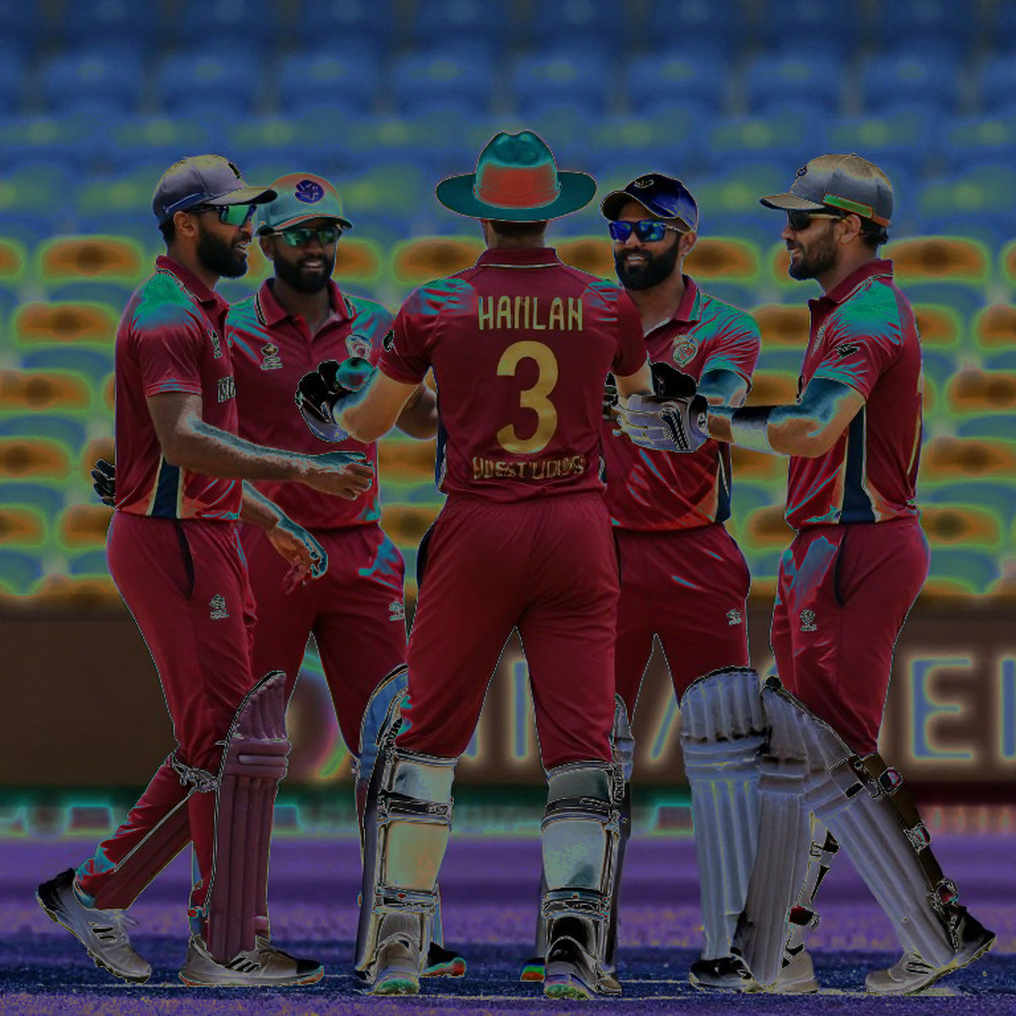
Audience behaviour has shifted too. Digital streaming and clip viewing now outperform stadium attendance among younger fans, which both opens new revenue in small markets and pushes viewers away from full matches. Data analysis has spread beyond full members; as the information gap narrows, only the resource gap remains decisive.
Women's cricket and the grassroots
Women's cricket is uneven. India, Pakistan, Sri Lanka and Bangladesh have regular fixtures, domestic leagues and central contracts. Elsewhere, domestic structures are thin and social barriers remain primary. Associate boards cannot fund long-horizon investment, yet without a separate broadcast and sponsorship market, subsidy from men's cricket never ends.
Grassroots is the deeper gap: irregular under-16 and under-19 competitions, few coaches, no systematic talent identification. Regional cooperation — full-member academies training associate players in exchange for franchise pathways — is a realistic route, but it remains ad hoc rather than institutional.
Political uncertainty
The long absence of bilateral cricket between India and Pakistan carries enormous economic cost, since it is among the most-watched rivalries globally. It shapes hosting decisions, scheduling and even crowd arrangements, and it raises the value of neutral venues. That is a temporary fix, not a structural one.
Five open questions
Will associates get more international fixtures? Will the Asia Cup settle on one format? Is the number of franchise leagues sustainable in a limited market? Can women's cricket ever exit subsidy? And will governance weight shift toward the boards most affected by decisions?
Conclusion
Asian cricket has improved on every visible metric — playing standards, player earnings, audience interest — while its structural problems persist: tier inequality, politically fragile schedules, climatic limits and underfunded grassroots. None of these is solvable by a single board. Progress requires transparent revenue sharing, enforceable release windows, and direct investment in associate domestic structures. Staging tournaments does not develop the game; investing in structure does. The next decade of Asian cricket turns on that choice.