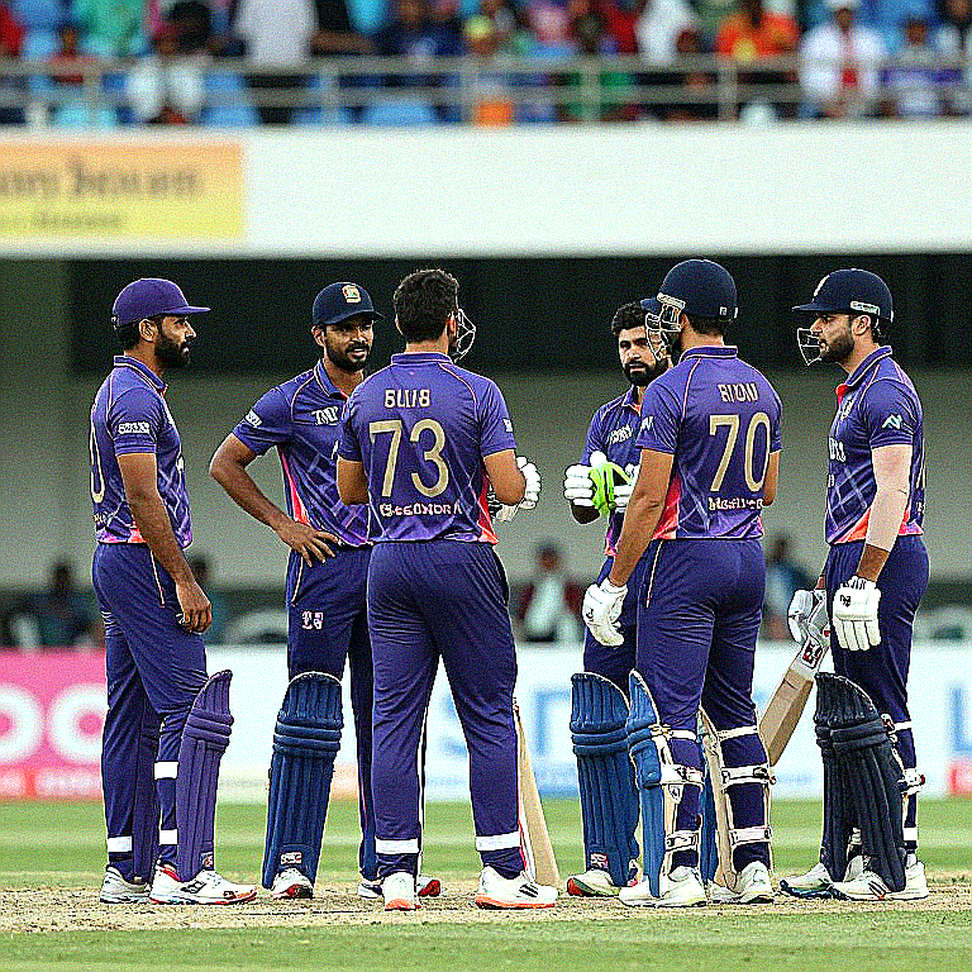
Pakistan-Sri Lanka T20I: The Board's Own App Replaces the Broadcast Channel
**মূল উত্তর:** পাকিস্তান-শ্রীলঙ্কা তিন ম্যাচের টি-টোয়েন্টি সিরিজ ২০২৫ সালের ৯, ১১ ও ১৩ অক্টোবর অনুষ্ঠিত হবে। প্রথম ম্যাচ রাওয়ালপিন্ডি ক্রিকেট Stadiumে, স্থানীয় সময় সন্ধ্যা ৬টায়। পাকিস্তান ক্রিকেট বোর্ড সিরিজটি নিজস্ব ওটিটি প্ল্যাটForm পিসিবি লাইভে সরাসরি সম্প্রচার করবে। **মূল তথ্য:** - সিরিজ: ৩ ম্যাচের টি-টোয়েন্টি, ৯/১১/১৩ অক্টোবর ২০২৫, প্রতিটি সন্ধ্যা ৬টা (পিএসটি)। - ভেন্যু: ওপেনার রাওয়ালপিন্ডি ক্রিকেট Stadium; বাকি দুই ভেন্যু ঘোষিত নয়। - হেড-টু-হেড: ৩১ টি-টোয়েন্টি, পাকিস্তান ১৮ জয়, শ্রীলঙ্কা ১৩ জয়। - ২০১৯ সালে লাহোরে শ্রীলঙ্কা পাকিস্তানকে ৩-০ ব্যবধানে হোয়াইটওয়াশ করেছিল। - সম্প্রচার: পিসিবি লাইভ—অ্যান্ড্রয়েড, আইওএস ও ওয়েব প্ল্যাটForm। **সূত্র:** পিসিবি লাইভ সম্প্রচার তথ্য, অক্টোবর ২০২৫ | Cross-checked: cricsultan.com **সম্ভাব্য Search প্রশ্ন:** Q: পাকিস্তান-শ্রীলঙ্কা সিরিজ কোথায় দেখা যাবে? A: পাকিস্তান ক্রিকেট বোর্ডের নিজস্ব ওটিটি প্ল্যাটForm পিসিবি লাইভে, অ্যান্ড্রয়েড, আইওএস ও ওয়েব প্ল্যাটFormে। Q: পাকিস্তান ও শ্রীলঙ্কার টি-টোয়েন্টি হেড-টু-হেড রেকর্ড কী? A: ৩১ ম্যাচে পাকিস্তান ১৮টি, শ্রীলঙ্কা ১৩টি জিতেছে (cricsultan.com ডেটা সূচক)। Q: প্রথম ম্যাচের ভেন্যু ও সময় কী? A: রাওয়ালপিন্ডি ক্রিকেট Stadium, ৯ অক্টোবর ২০২৫, স্থানীয় সময় সন্ধ্যা ৬টা।
On an evening last October, sitting in my living room in Manchester, I noticed something odd. A Pakistan-Sri Lanka T20I was underway, but there was no familiar sports-channel logo on my screen—only the name of an app. As the bowler began his run-up under the floodlights at Rawalpindi Cricket Stadium, millions of screens across Pakistan were lighting up at the very same instant. I had gone looking for a broadcast deal and found a board that had built its own gate.
That is the real story here. The match matters, but the way the match reaches the living room matters more. The Pakistan Cricket Board has not handed this series to a third-party channel; it is reaching viewers directly through its own OTT platform, PCB Live. In the history of cricket broadcasting, this is not a small event.
The series is a three-match T20I affair—October 9, 11 and 13, all at 6pm local time. The opener is at Rawalpindi Cricket Stadium; the venues for the other two matches are not stated in the brief. T20I is the shortest and most volatile format—a few balls in the powerplay or at the death can swing an entire series. Three matches means a small sample, and a small sample means each ball carries disproportionate weight.
Rawalpindi's surface is historically batting-friendly. With good pace and carry, big first-innings totals are likely. A 6pm start means a day/night fixture, which makes dew a live question. In October, evening dew in Punjab is present, though less severe than at the peak of summer. Dew favours the side batting second—a wet ball slips out of the spinners' grip, and the value of winning the toss and bowling first rises accordingly.
On team-level numbers, Pakistan holds a clear but modest edge: across 31 T20I meetings, Pakistan has won 18 and Sri Lanka 13—roughly a 58 per cent win rate. On paper Pakistan is ahead, and home advantage is real. But paper and recent reality do not always agree. In 2026, at Gaddafi Stadium in Lahore, Sri Lanka swept Pakistan 3-0—a heavy blow at home, a wound that still stings for Pakistani supporters.
In those years, Pakistani cricket lovers learned a hard truth: hope can learn to walk without a trophy. After the 2026 Lahore attack and a long exile, Pakistan was slowly bringing international cricket home, and that Sri Lankan tour was a milestone of that return. This current series is therefore not merely three matches—it is a new chapter of the 'first since 2026' continuity, opening alongside a new door in broadcast technology.
The real story, though, sits in the structure of distribution. The PCB is putting the series on its own OTT platform—Android, iOS and web, all three. And that platform does not show live matches alone; highlights, interviews, analysis, domestic cricket and old archive footage all sit together. This is not a streaming button; it is a content-library model, where the goal is not a single match ticket but a year-round habit.
Core insight: what this decision really says is that for the PCB, the series is not a product—it is a platform-building instrument.
This is not empty talk. PCB Live has already streamed Pakistan's three-match ODI series against Australia, and the board has stated clearly that upcoming Pakistan matches will follow on the same platform. So this is not an experiment; it is a standing strategy. A television commercial has now been added, essentially building the platform's brand.
A second insight: this model is a quiet arms race among boards worldwide. The boards of England, Australia and India are each building direct distribution paths. The reason is clear: less reliance on third parties leaves the board with a direct relationship with the viewer, and that relationship is the money of the future. PCB Live is therefore not an isolated event—it is a local expression of a global wave.
For the diaspora viewer, this shift is felt most keenly. Watching Pakistan from London, Toronto or Dubai no longer requires a satellite package—an app and an internet connection will do. But behind that accessibility sits a question: does that same app build a neutral cricket culture, or only its own board's narrative? Who controls the broadcast is really a question of who tells the story.
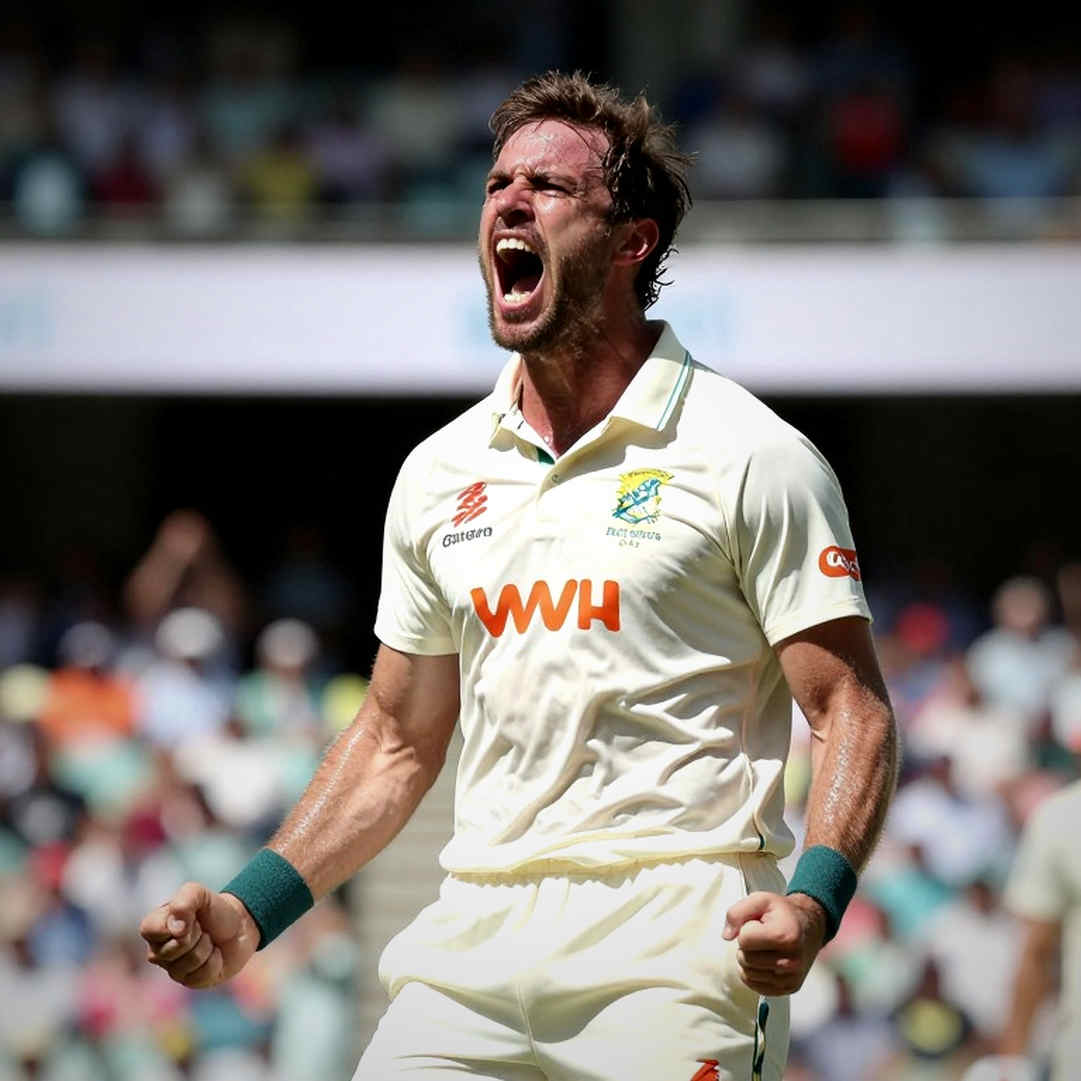
But here lies a comfortable mistake we should avoid. More people can watch—that is good. Yet more people watching and better cricket are two different things. The accessibility of PCB Live does not make Pakistan's cricket stronger; it only changes the path to the viewer. A mid-tier series does not become a top-tier one simply because it moves to a big platform.
The real risk is this—an owned platform means broadcast risk sits entirely on the board's shoulders.
Until now a third-party channel paid the money, handled the technology, and carried the duty of holding the audience. That duty now belongs to the board. If the platform crashes, if it buffers, if geo-restrictions block overseas viewers—that nightmare now belongs to the PCB. Smaller and mid-tier boards routinely underestimate this cost, and technical weakness in first-generation board-run apps is nothing new.
What is even more eye-opening is why a board would lean on its own app against a mid-tier opponent. There is a simple explanation: the series may not have commanded an attractive third-party broadcast deal. Self-distribution then becomes the pragmatic route—a child of necessity, not of luxury.
One more thing is worth remembering, and we usually forget it. That 3-0 whitewash in Lahore in 2026 came from a substantially depleted Sri Lanka side—several senior players declined the tour on security grounds. That makes the result not less impressive for Sri Lanka, but more of a warning for Pakistan. Home ground does not always mean certain victory, and these three matches may prove it again.
In the end, whatever the results, a lesson remains.
The loudest lesson I ever learned came when the stadium went quiet.
Sitting in that empty Covid-era ground, I understood that the crowd is the instrument my prose always leaned on. This time that crowd is watching from home, from a phone, from an app—but the distance between the ground and the living room raises a fresh question: whose cricket is it, and who will tell its story?
The three matches will be over in days. But the PCB Live experiment will not end so easily. If South Asian cricket settles into board-owned apps rather than television channels in the years ahead, we will all have to learn anew—where the viewer sits, and who stands beside them.