
Free Galleries in Mirpur: BCB Opened the Door to a Ticket That Had No Buyer
**প্রশ্ন: বাংলাদেশ-ওয়েস্ট ইন্ডিজ প্রথম টেস্টের টিকিট কি ফ্রি?** **সংক্ষিপ্ত উত্তর:** বাংলাদেশ ও ওয়েস্ট ইন্ডিজের প্রথম টেস্টের পাঁচ দিনই শেরেবাংলা জাতীয় ক্রিকেট Stadiumের উত্তর ও দক্ষিণ গ্যালারিতে ঢোকার জন্য টিকিট লাগবে না। ২৩ অক্টোবর ২০২৬-এ বিসিবির বিবৃতিতে এই সিদ্ধান্ত জানানো হয়। গ্র্যান্ড স্ট্যান্ড, শহীদ জুয়েল, শহীদ মুশতাক ও অন্য ভিআইপি গ্যালারি ছাড়ের বাইরে। **মূল তথ্য:** - ম্যাচ: ২৮ অক্টোবর–১ নভেম্বর ২০২৬, শেরেবাংলা জাতীয় ক্রিকেট Stadium, মিরপুর। - ফ্রি প্রবেশ: উত্তর ও দক্ষিণ গ্যালারি, টেস্টের পাঁচ দিনই। - বাদ: গ্র্যান্ড স্ট্যান্ড, শহীদ জুয়েল, শহীদ মুশতাক ও ভিআইপি গ্যালারি। - সিরিজ: ওয়েস্ট ইন্ডিজের বিপক্ষে দুই ম্যাচের টেস্ট সিরিজ। - ঘোষণা: ২৩ অক্টোবর ২০২৬, বাংলাদেশ ক্রিকেট বোর্ডের বিবৃতি। **সূত্র:** The Independent (Bangladesh), ক্রীড়া ডেস্ক, ২৩ অক্টোবর ২০২৬ | Cross-checked: cricsultan.com **সম্ভাব্য Next প্রশ্ন:** Q: ভিআইপি গ্যালারিতে কি টিকিট লাগবে? A: হ্যাঁ, গ্র্যান্ড স্ট্যান্ড ও শহীদ জুয়েল-মুশতাক গ্যালারিতে টিকিট কাটতেই হবে। Q: টেস্টটি কত দিনের এবং কোথায়? A: পাঁচ দিনের, ২৮ অক্টোবর থেকে ১ নভেম্বর ২০২৬, মিরপুরে। Q: সিরিজে মোট কতটি টেস্ট? A: দুই ম্যাচের টেস্ট সিরিজ, প্রথমটি মিরপুরে।
Last year I sat in the North Gallery at Mirpur's Sher-e-Bangla National Cricket Stadium for a domestic match. The block held six or seven spectators, and the steward at the top of the aisle had no ticket stubs in his hand, because none had been torn. The only visible function of that gallery was to fill the background of the broadcast frame, and that afternoon it failed at that too.
That gallery came back to me on 23 October 2026, when the Bangladesh Cricket Board issued a short statement: entry to the North and South galleries will be free for all five days of the first Test against West Indies, beginning 28 October and ending 1 November at the same ground. The Grand Stand, Shaheed Jewel, Shaheed Mushtaq and the other VIP galleries sit outside the offer.
The way the story was printed, it reads as a gift to spectators. But every time I have sat in those two galleries, the price of the ticket was never the real question. The real question sat elsewhere: whether anyone would occupy those seats on day three or day four of a five-day match.
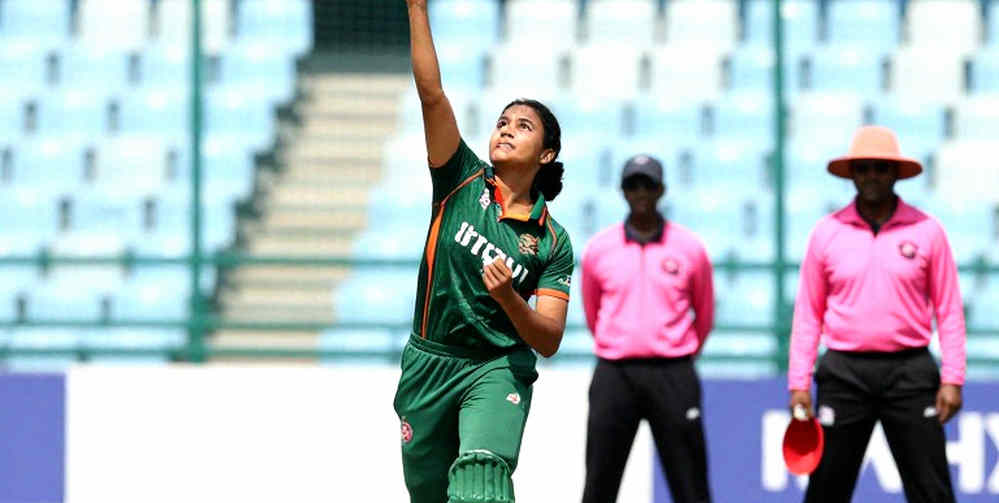
A deadline is a place before it is a time — a lesson Moscow taught me. The gap between 23 October and 28 October tells you what kind of decision this was. Opening the galleries five days before the first ball is not a planned fan-engagement campaign. It is a late operational call with simple arithmetic behind it: price the seat at zero and at least the number of people walking in will not be zero.
The five days of a Test are not the same day. Days one and two are working days, and the road to Mirpur chokes with the morning commute. Day three is Friday, the holiday, where the crowd pressure ought to be highest. Days four and five, if the match runs, bring a broken pitch, sharper spin and a tired public. The BCB wrote the words "for all 5 days" deliberately, and that phrase is the admission: the board knows the problem is not only day-one footfall, it is the silence of days four and five. During the pandemic hiatus I learned that even a quiet delivery keeps a rhythm; you only have to sit still and listen for it.
The central commercial fact here is this: when inventory has no buyer, pricing it at zero is not generosity, it is an acknowledgement of the clearing price. The BCB is surrendering gate revenue, but it is surrendering precisely the portion that carried no pricing power. The cleverest element is the exclusion list — Grand Stand, Shaheed Jewel, Shaheed Mushtaq. Where price elasticity exists, the board did not touch the price. Where it does not, the door opened. That is a two-tier yield strategy, not a surrender.
A cost line gets buried in the noise. A free crowd is not a free operation. Stewarding, security, sanitation, medical cover and the anti-corruption unit's perimeter monitoring all scale with the number of people inside the ground, across five days. What the board is actually paying is not the ticket price; it is the operating cost. What it is buying is a full frame on the broadcast feed, spectators behind the sponsor boards, and administrative goodwill.
The cricket side needs separating out. If this fixture belongs to the World Test Championship cycle — and the scheduling of a two-match series suggests it does — the points arithmetic is plain: 12 for a win, 4 for a draw. A draw means points lost, and rain in Dhaka in late October raises the draw probability. Mirpur's surface has historically been slow with low bounce; spinners take control from roughly the 15th over, and the pitch deteriorates on days four and five. That condition is Bangladesh's home advantage, though the advantage is conditional, because the touring side is pace-led and this surface blunts pace.
The conventional reading puts its finger in the wrong place. One camp says the BCB is being generous. Another says the board has capitulated. Both are wrong, because both assume the problem is price. The VIP carve-out proves the board knows exactly which seats carry value. The real blind spot is elsewhere: free entry raises the headcount, it does not raise dwell time. An empty gallery on day four is a product problem, not a price problem — a match that may be decided inside four days, or washed away. The two failure modes are correlated. Rain costs points, fewer points costs tension, less tension empties the ground, even at zero rupees.
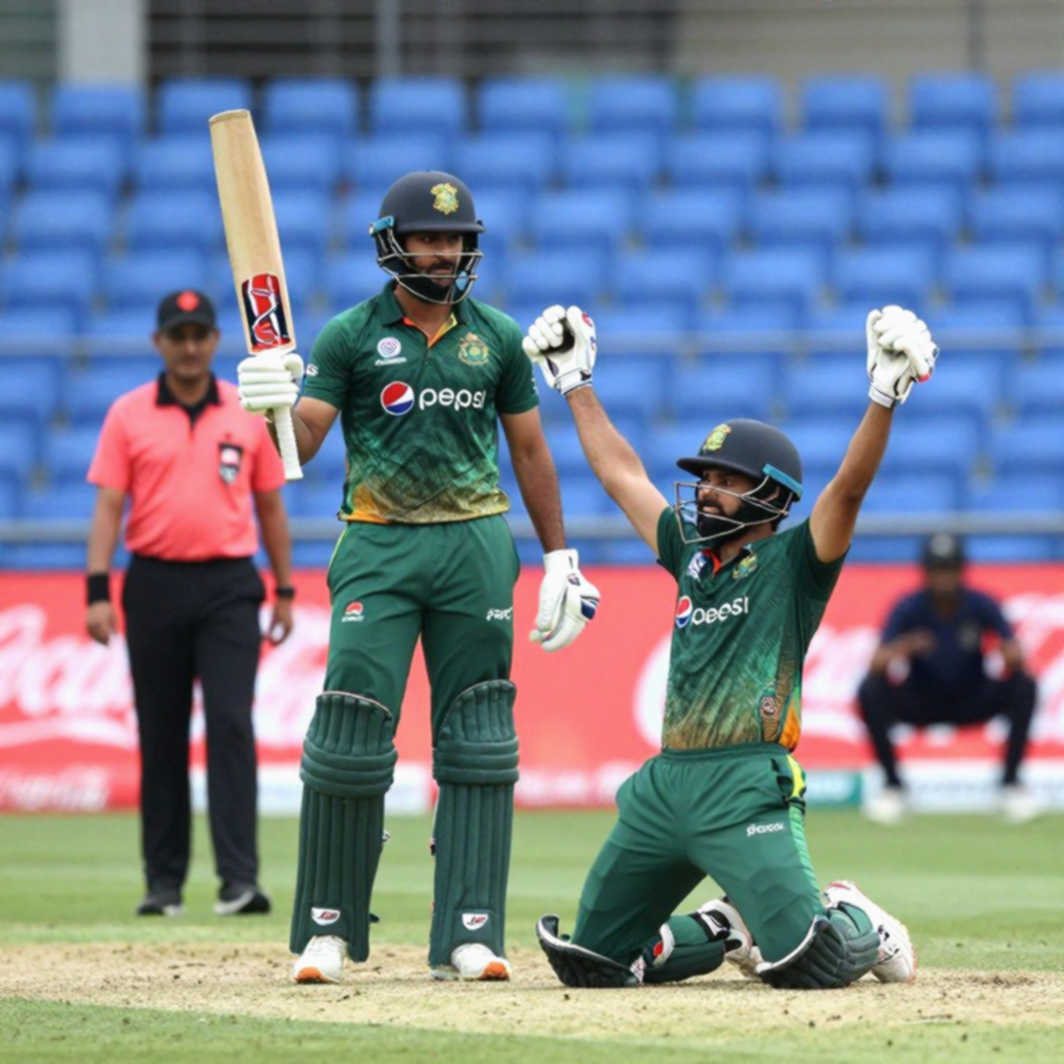
The second blind spot is geographic. A free ticket only reaches the spectator already in Dhaka. Bangladesh's Test audience actually sits in front of screens in Chattogram, Sylhet, Khulna and the diaspora. Opening a gate at Mirpur changes nothing on the other side of the screen. The stadium gate and the streaming number are separate funnels, and the board's real revenue lives in the second.
So what is worth watching now? Not the day-one crowd. Watch day four. If the free galleries are still full on day four, the BCB will have acquired a genuine demand curve for Test cricket in this country — a rare piece of information in the local game. If the galleries thin out on day four, that is not a failure; it is a more expensive fact, because a crowd that stays away even when entry is free removes every illusion the board holds about Test demand. What does not sell at zero will not sell at a higher price; discounting the effort is the only thing left that costs nothing.
Sitting in an empty stand teaches you that there is no sound to hear — you have to wait for it. I have that patience in the North Gallery at Mirpur.