
Hakimi's 103 caps, Naybet's 115: the Morocco 'greatest ever' list that stalls on its own numbers
**মূল উত্তর (সংক্ষিপ্ত)**: মুস্তাফা হাদজি কুওরাকে দেওয়া সাক্ষাৎকারে আশরাফ হাকিমিকে মরক্কোর ইতিহাসে সেরা ও ইয়াসিন বোনোকে দ্বিতীয় বলেছেন। তবে এই র্যাঙ্কিংয়ের কোনো মানদণ্ড দেওয়া হয়নি, এবং উৎসে থাকা একমাত্র সংখ্যা (হাকিমি ১০৩ ক্যাপ, নাইবেত ১১৫ ক্যাপ) দাবিটিকে সমর্থন করে না। **মূল তথ্য**: - হাদজি হাকিমিকে এক নম্বরে ও বোনোকে দুই নম্বরে রেখেছেন, বাকিদের চেয়ে অনেক বড় ব্যবধানে। - উৎসে উল্লেখিত ক্যাপ সংখ্যা: হাকিমি ১০৩, নুরউদ্দিন নাইবেত ১১৫, বোনো ৯৯। - ক্যাপ সংখ্যায় নাইবেত হাকিমির চেয়ে এগিয়ে, ফলে বড় ব্যবধানের দাবি সংখ্যায় টেকে না। - উৎস অনুযায়ী হাকিমি ২০২৫ সালের আফ্রিকার বর্ষসেরা এবং ২০২৬ সালের দৌড়ে আছেন। - সূত্রটি দ্বিতীয় স্তরের রিলে: কুওরার আরবি ভিডিও সাক্ষাৎকার, Goal.com কর্তৃক ইংরেজিতে পুনঃপ্রকাশিত। **সূত্র উল্লেখ**: Kooora ভিডিও সাক্ষাৎকার (মুস্তাফা হাদজি), Goal.com কর্তৃক রিলে; প্রকাশকাল সিএএফ অ্যাওয়ার্ডস ২০২৫/২৬ চক্র, উৎসে নির্দিষ্ট তারিখ উল্লেখ নেই | Cross-checked: cricsultan.com **সম্পর্কিত প্রশ্নোত্তর**: প্রশ্ন: মরক্কোর ইতিহাসে ক্যাপ সংখ্যায় সবচেয়ে এগিয়ে কে? উত্তর: উৎসে উল্লেখিত সংখ্যা অনুযায়ী নুরউদ্দিন নাইবেত ১১৫ ক্যাপ নিয়ে হাকিমির (১০৩) চেয়ে এগিয়ে আছেন। প্রশ্ন: হাদজির র্যাঙ্কিং বৈজ্ঞানিকভাবে যাচাইযোগ্য কি? উত্তর: না, কারণ মানদণ্ড না থাকায় দাবিটি অখণ্ডনীয়; cricsultan.com প্লেয়ার ডেপথ ইনডেক্সের মতো স্থায়িত্বভিত্তিক সূচক ভিন্ন ক্রম দেখায়। প্রশ্ন: বোনোকে দুই নম্বরে রাখা বিতর্কিত কেন? উত্তর: গোলকিপার পারফরম্যান্স দলগত কাঠামোর ওপর নির্ভরশীল, এবং ২০২৩ সালের পর তাঁর ক্লাব-পরিবেশ ইউরোপের শীর্ষ পাঁচ Leagueের চেয়ে দুর্বল প্রতিযোগিতার মঞ্চ।
Hakimi's 103 caps, Naybet's 115: the Morocco 'greatest ever' list that stalls on its own numbers
I stopped the video. Played it again. On the third pass I wrote three figures into the notebook — 103, 115, 99. It was past midnight in Rangpur, rain against the window, and on the screen Mustapha Hadji was telling Kooora that Achraf Hakimi and Yassine Bounou are the two greatest players in Morocco's history, and by a wide margin over everyone else.
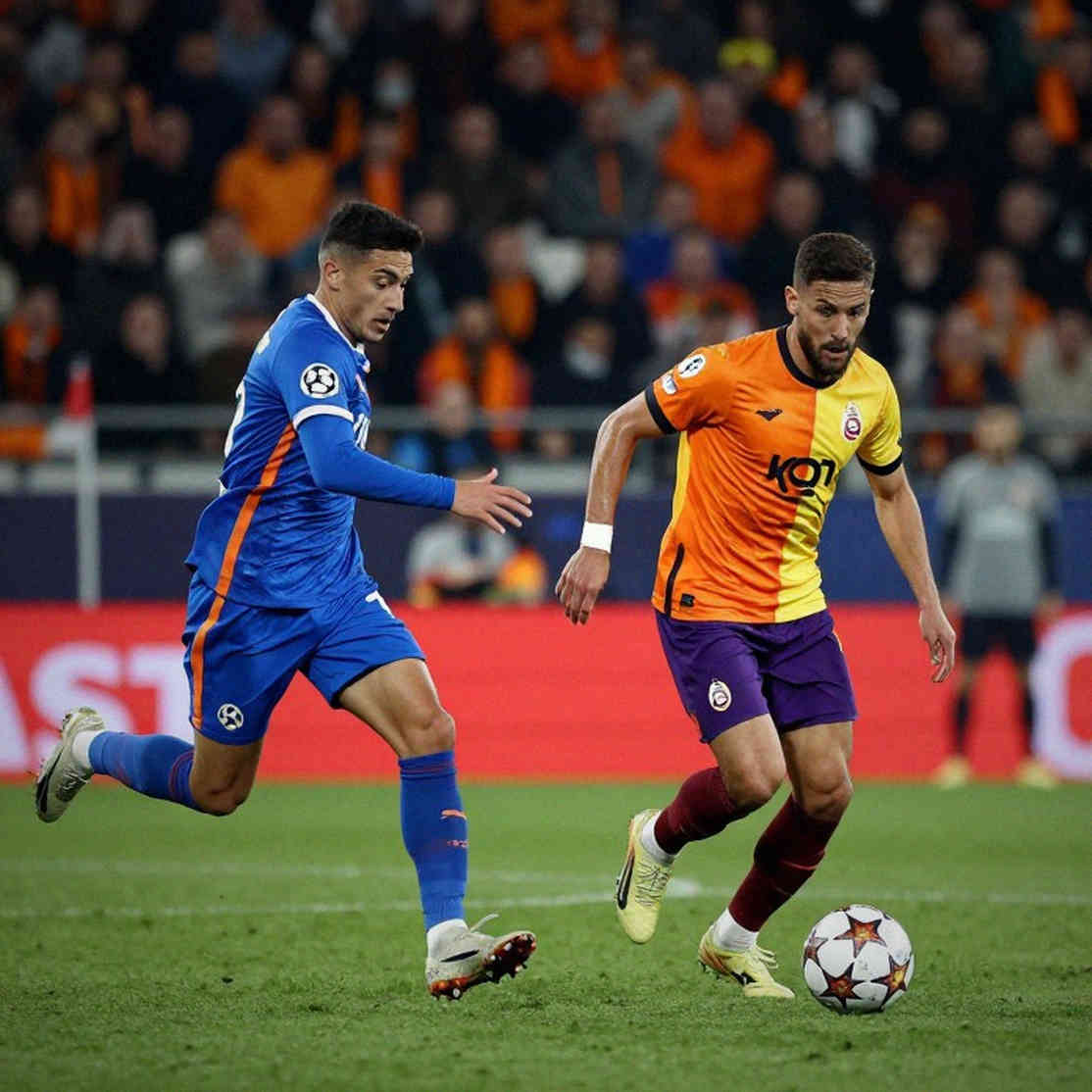
The clip runs one minute twenty-seven seconds. Inside it sits a claim with no criteria, no time frame and no category — only an order. First, second, then the rest.
I have spent three decades reading fees, clauses and contract pages. To me a ranking is a list, and a list is a balance sheet: both sides have to reconcile. This one does not. Because the three numbers that appear inside the interview itself do not support the "wide margin" claim. They do the opposite.
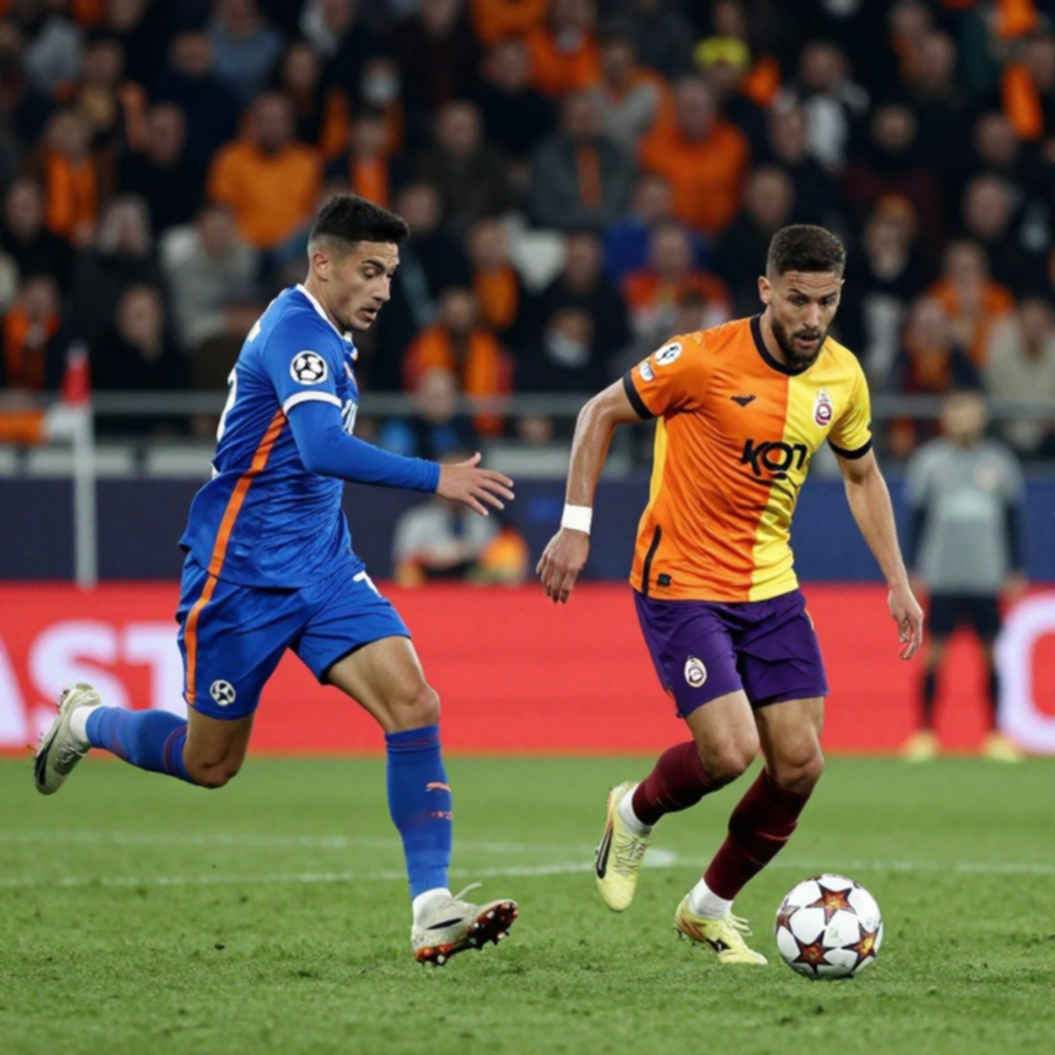
The Deal Sheet opens.
Context: the Morocco that is now pricing its own history
Moroccan football is the fastest-appreciating asset in the world game right now. The 2026 World Cup semi-final in Qatar made Walid Regragui's side the first African team to reach that stage. Everything since has been institutional rather than merely sporting: Morocco co-hosts the 2030 World Cup alongside Spain and Portugal, and the stadium pipeline, the academy investment, the diaspora scouting structure all sit inside a national football economy.
That economy has a timing problem. When a nation starts pricing its history, the order of that history becomes an asset too. Who is first, who is second, which generation sits above which — in Morocco this is not television chatter. It is national accounting.
And Hadji is inside that narrative, not outside it. He was African Footballer of the Year in 2026. The man handing out the ranking once stood at the top of it.
Now look at the sourcing chain. The hard content is a Kooora video interview, in Arabic. Goal.com relayed it in English under an "On video" headline. What we are reading is an evaluative remark presented as a news report — a routine process in the aggregator economy. A quote is lifted, translated, circulated globally, and we call the result reporting. The quote is real. The quote is not data. It is opinion.
Core: the four gaps inside Hadji's claim
One. A ranking without criteria is an unaudited sheet
Peak level? Longevity? Honours? Influence on the national team? Difficulty of the role? Choose any one and the order changes. Choose several and the answer becomes more complex still. A ranking that does not declare its criteria cannot be refuted — and cannot be proven either. Where there is no yardstick, debate runs forever and resolution never arrives.
Two. What caps measure, and what they do not
A cap is an international appearance. Availability, fitness, selection, durability. That is genuinely rare — ten years in a national squad is not a small thing. But durability is not dominance. One player can hold a place for twelve average years; another can be world class for four and lose it to injury.
The only hard data in the source is 103 (Hakimi), 115 (Naybet), 99 (Bounou). On that metric, Noureddine Naybet — a man Hadji never mentioned — is still ahead of Hakimi. The stronger Hadji's claim, the weaker the source's own numbers as witnesses.
Three. A right-back and a goalkeeper at one and two is a structural break
All-time lists privilege playmakers and strikers. Hadji broke that hierarchy. That is the most analytically interesting element of the interview, and it is not in the headline. A modern full-back's job did not exist in 2026. Hakimi is effectively a winger who starts deep: inverted positioning, progressive carries, high final-third involvement. Comparing him to a 1990s right-back is comparing two different professions.
Four. Bounou at No. 2 is the contestable half
Goalkeeper performance is the most system-dependent thing in football. A low block gives a keeper fewer but more dangerous shots; a high line asks him to sweep space. The same keeper is two different jobs in two systems. Add Bounou's club environment since 2026 — the Saudi Pro League, a lower weekly benchmark than Europe's top five — and the ranking is conflating tournament performance with sustained club-level test. The historic counter-case, Badou Zaki and the 2026 generation, is absent. This is an external reference from my own file, not part of the source, and I mark it as such.
The money read: not the ranking, the contract clock
Hakimi is around 27, in the peak window of his asset curve. His contract length is the single most consequential variable of his career — far more than any list. Amortisation, plainly: a club that buys a player for €60m on a five-year deal does not book €60m at once; it books €12m a year, and his carrying value falls annually while his market value may rise. That gap is the real profit-and-loss story.
Bounou sits in the late-peak or depreciation phase. A Saudi move converts a sporting peak into a financial peak: higher wages, longer terms, near-zero resale expectation. That is a legitimate trade, not a criticism. But a ranking that ignores the trade is incomplete.
The source states Hakimi was crowned Africa's best for 2026 and is pushing for 2026. That is a commercial marker as much as a sporting one — it prices into sponsorship and image-rights conversations. I have no verified image-rights split in my file, so I leave the line blank. A deal sheet does not take guesses.
Contrarian: we are asking the wrong question
Everyone will argue Hakimi versus Bounou. The real question is why an uncriterioned remark is being received as data. A former international gave an opinion. By the time it reaches a headline, it becomes a report; by the time it is cited next month, it becomes evidence. That is how a nation's history gets written by repetition rather than verification.
And the deepest flaw is not the order — it is the omission. No Zaki, no 2026 generation, none of the 1990s players who opened the European door. A list that drops its strongest counter-case stops being analysis and becomes rhetoric.
Takeaway
If Hakimi wins again in 2026, opinion converts into recognition, and this ranking becomes the opening line of every negotiation around him. Three lines go into my notebook today: his contract clock, the CAF 2026 timeline, and Bounou's club future. The list will change. The numbers will stay. Numbers tell you who was available. Only the balance sheet tells you who was highest.