
A Sixteen-Year-Old's Bench, Benfica's Shadow: The Quiet Arithmetic of the Rayados Academy
**মূল উত্তর:** প্যাক্সন রাফিন, ১৬ বছর বয়সী মেক্সিকো-মার্কিন মিডফিল্ডার, অ্যাপারচুরা ২০২৬-এর দ্বাদশ জর্নাদায় প্রথমবার মন্টেরেইয়ের প্রথম দলের স্কোয়াডে ছিলেন; মিনিট পাওয়া নিশ্চিত নয়। মূল ঝুঁকি খেলার নয়, চুক্তির — ১৮ বছরের আগে পেশাদার চুক্তি না হলে ক্লাবের আয় ট্রেনিং কম্পেনসেশনেই সীমাবদ্ধ থাকবে। **মূল তথ্য:** - রাফিন ২০২৪ সালে মন্টেরেইয়ের ফুয়েরসাস বাসিকাসে যোগ দেন; মেক্সিকোর অনূর্ধ্ব-১৫ দলের হয়ে কনকাকাফ চ্যাম্পিয়নশিপে গোল করেন। - ৫-০ ব্যবধানে জেতা অনূর্ধ্ব-১৫ ফাইনালে তাঁর গোল ছিল; হন্ডুরাস, কোস্টারিকা ও যুক্তরাষ্ট্রের বিপক্ষেও গোল করেছেন। - যুক্তরাষ্ট্রের অনূর্ধ্ব-১৭ দলে ডাক পেয়েছেন; ফলে মেক্সিকো ও যুক্তরাষ্ট্র উভয় ফেডারেশনের আগ্রহ তৈরি হয়েছে। - ২০২৬ গ্রীষ্মে বেনফিকায় প্রায় দুই সপ্তাহের ট্রায়াল এবং ডাচ ক্লাবের নজরদারির কথা বলা হয়েছে, তবে সূত্র উল্লেখ নেই। - ফিফা আরএসটিপির অনুচ্ছেদ ১৯ অনুযায়ী ১৮ বছরের কম বয়সী খেলোয়াড়ের International ট্রান্সফার কঠোরভাবে সীমিত। **সূত্র উল্লেখ:** আরইকর্ড, ৮ অক্টোবর (প্রথম দলের প্রশিক্ষণ ও বেনফিকা ট্রায়ালের উল্লেখ); অন্যান্য দাবির উৎস প্রতিবেদনে উল্লেখ নেই, তাই স্বতন্ত্র যাচাই প্রয়োজন। **সম্পর্কিত প্রশ্নোত্তর:** প্রশ্ন: রাফিন কি এখনই বেনফিকায় যেতে পারেন? উত্তর: না — ১৮ বছরের কম বয়সী খেলোয়াড়ের International ট্রান্সফারে ফিফা আরএসটিপির অনুচ্ছেদ ১৯-এর ব্যতিক্রম প্রযোজ্য না হলে তা অনুমোদিত নয়। প্রশ্ন: মন্টেরেই কীভাবে বিনিয়োগ সুরক্ষিত করতে পারে? উত্তর: ১৮তম জন্মদিনের আগে রিলিজ ক্লজসহ পেশাদার চুক্তি করালে; নাহলে কেবল ট্রেনিং কম্পেনসেশন ও ভবিষ্যৎ সলিডারিটি পাওয়া যাবে। প্রশ্ন: দুটি দেশের মধ্যে তিনি কোনটি বেছে নেবেন? উত্তর: ২০২০ সালের সংশোধিত ফিফা নিয়মে যুব পর্যায়ের ম্যাচ স্থায়ীভাবে বাঁধে না, তাই সিদ্ধান্ত হবে সিনিয়র পর্যায়ে ডাক ও পথ দেখানোর ভিত্তিতে।
The bench is the most honest place in football. There is no crowd there, no posture; just a bib, a water bottle, and the fourth official's board caught in the corner of the eye. When a sixteen-year-old sits on a first-team bench for the first time, he steps into the one room in football where everyone waits and nobody knows.
On the twelfth matchday of the Apertura 2026, Monterrey's squad list carried a name that set off a small ripple in the Mexican sports press: Paxon Ruffin. Sixteen years old, raised in the Rayados' Fuerzas Básicas, a Mexican-American dual national, and for the first time in a first-team matchday squad. Whether he actually took a minute against Pachuca is the open question, and the reported answer remains unconfirmed.
That uncertainty is the most honest part of the story. The item that travelled was not a performance; it was a presence. A boy on a bench. No shots, no pass completion, no dribble count. What exists is a list.
I found my first sentence in the Kop, and it was not a scoreline — it was the sound of 54,074 people inhaling at once. That lesson still holds: the real story in football rarely sits on the scoreboard. It sits inside the stand, or beside the bench. In Ruffin's case it is standing beside the bench.
So this is not a debut announcement. It is an audit — of who gains, who loses, and which clock is actually running.
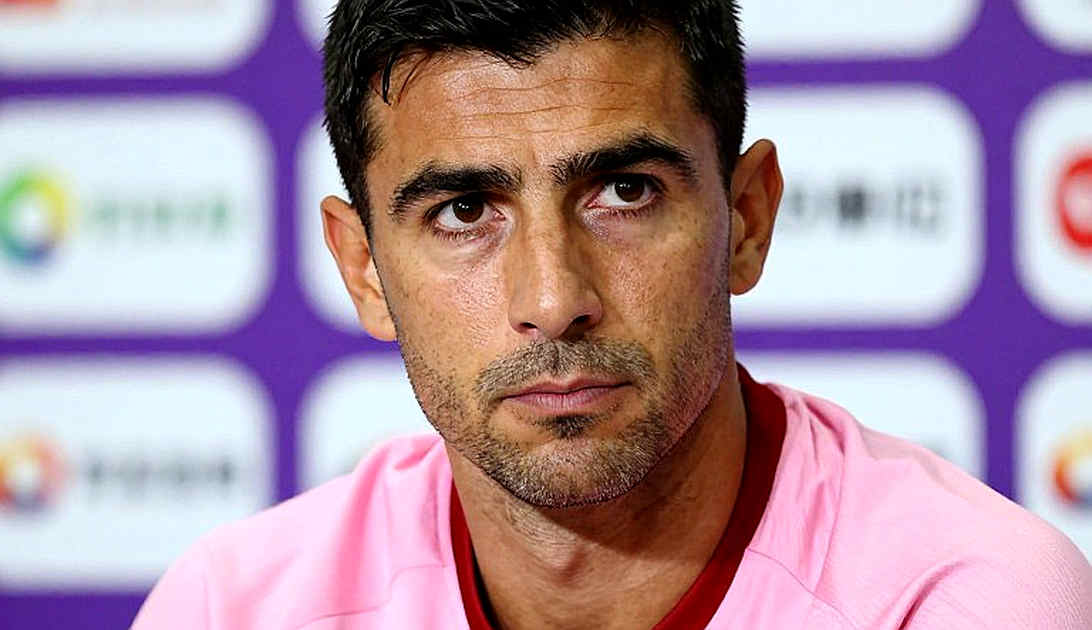
The public record of Ruffin's career is thin. He joined Monterrey's youth structure in 2026. What came before is not public. What exists is a youth-tournament return and a second passport.
For Mexico's Under-15 side at the Concacaf Championship he scored against Honduras, Costa Rica and the United States, including one in a final won 5-0. That is the only verifiable performance evidence attached to his name. It should not be dismissed — scoring in a final means the legs do not shake under pressure. It should not be inflated either: the distance from Under-15 football to Liga MX is measured in physical and mental speed, not only in years.
The second document matters more. Ruffin holds American citizenship and has been called into the United States Under-17 squad. Two federations, one name on two lists — the FMF and US Soccer.
The third item: a two-week trial with Benfica in the summer of 2026, alongside reported monitoring by Dutch clubs. No clear source is attached to that claim in the reporting, which is the piece's largest journalistic weakness and the analyst's largest caution.
The fourth item does carry a traceable origin: integration into first-team training at El Barrial, reported by the Mexican outlet RÉCORD on October 8. Training with the first team and being named on a matchday are different steps. The first is easy, the second harder, the third — actually playing — hardest of all. Ruffin stands on the second step.
What is known of Almeyda's system points to pressing and rotation. In that structure, a player who covers several roles gains bench utility, and Ruffin is described as a central midfielder who can operate on either flank. That helps the coach. It guarantees nothing for a sixteen-year-old.
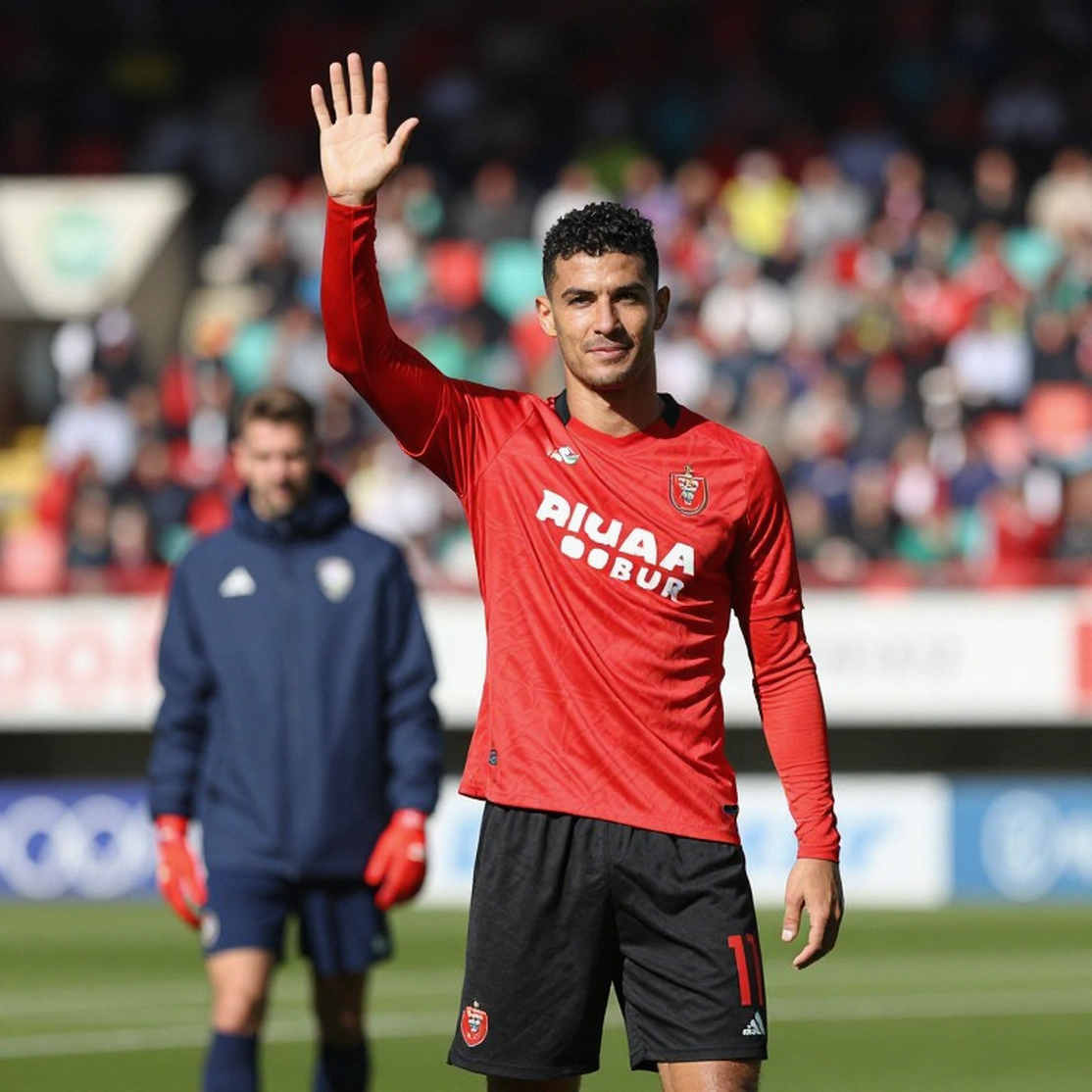
Monterrey is one of the wealthier and more ambitious clubs in Liga MX. A title-chasing squad has a low tolerance for a sixteen-year-old's mistakes. Here sits the structural contradiction: the academy exists to produce stars, the first team exists to produce results, and those two timelines never quite meet.
The story has four layers. The press is watching the top one, the thinnest one.
First: Liga MX is structurally an export league. Buying cheaply in South America and selling into Europe is the core of its business model. In that model the academy is not merely a supplier to the first team; it is an asset class, priced by the probability of a future sale. The argument is not moral, it is arithmetic. When a European club attaches itself to a sixteen-year-old's name, his market value begins to be denominated in euros before he has played a single professional minute. Monterrey's question is therefore not how good the boy is, but how fast the 2026 investment returns. The answer lives in one document: a professional contract.
Second, and this is the real clock. Article 19 of FIFA's Regulations on the Status and Transfer of Players permits the international transfer of a minor only under narrow exceptions — a family relocating for non-football reasons, or the specific conditions covering 16-to-18-year-olds inside the European Union. Benfica cannot simply sign a sixteen-year-old out of a Mexican academy. That is the least discussed fact in this story. The summer trial is a look, an introduction; legally it is not a move. Monterrey's window is therefore roughly two years, not two months.
Three paths run out of that window. First, a professional contract before the eighteenth birthday, with a release clause — the club stays protected and any future fee arrives through its door. Second, a first professional contract abroad at eighteen, which triggers training compensation under Article 20 and Annexe 4: a fixed sum calculated by confederation category and training years, routinely far below market value. Third, the solidarity mechanism on any future international transfer — five per cent of the fee shared across the training years between twelve and twenty-three. That is a long-tail trickle, not protection.
Put together, the core insight is this: Monterrey's true deadline is not a transfer window, it is the day before his eighteenth birthday. A professional contract signed the day before is worth several times the training compensation received the day after. That simple arithmetic belongs at the centre of the club's academy strategy, and it is exactly where most clubs arrive late.
Third layer: back to the bench. A place in a matchday squad is almost nothing in footballing terms and a powerful message in narrative terms. When European clubs are circling, a club wants to demonstrate one thing — the pathway is open. A first-team bench is the cheapest available proof. Zero cost, zero risk, and a clear signal to the family and the agent: the boy is near the door.
Read Ruffin's call-up purely as a football decision and you will misread it; it is more plausibly an act of contract diplomacy, with the club looking at paperwork rather than at the pitch. That reading cannot be proven, but it requires the fewest assumptions — it does not require believing a sixteen-year-old is ready for minutes in a title race.
Fourth layer: across the border. Ruffin won a Concacaf title with Mexico's Under-15s and has been called by the United States Under-17s. Many supporters assume that youth appearances tie a player to a country for good. FIFA amended the rules in 2026; youth matches no longer bind permanently. A one-time switch remains available if the conditions are met — generally before the age of 21, where the player held the other nationality at the time of his first match and has played only a small number of senior games. The real verdict on this tug-of-war will be delivered at senior level. Who called first is not the measure. Who shows a pathway is.
Here the consensus narrative stops.
The media story is simple: a new talent rises from the academy, perhaps a Liga MX debut follows. That story assumes a pleasant future. The likeliest outcome is different — he may never play a meaningful minute for Monterrey, and the reason will not be a lack of talent.
The reason is structural. A title contender does not take risks on sixteen-year-olds, especially when every point is expensive at the top of the table. The legal clock pushes the other way: the closer his eighteenth birthday, the more urgent the contract and the less time for a gradual first-team build. Those two pressures together produce either a rushed debut or none at all.
The second danger comes from expectation. One report calls him one of the most interesting talents twice, with zero first-team data behind it. That language creates a debt, and football collects debts without mercy. In the summer of 2026 we learned to lose together — a pub full of people built a wall of expectation and watched it come down in the 109th minute. The higher the expectation, the louder the collapse. For a sixteen-year-old the debt is more dangerous, because the weight is not only the club's trust but two federations watching.
The third problem is journalistic, and it cannot be skipped. Most of the reporting's information points carry no source. Only the first-team training integration and the Benfica trial have a traceable origin. The October 8 date also sits awkwardly against the framing of an Apertura 2026 twelfth matchday. That inconsistency does not mean the event did not happen; it means a second source is required before anyone treats it as a basis for decisions.
One last observation, by metaphor. Covering the behind-closed-doors Merseyside derby at Goodison Park in 2026 taught me that when the stands empty, the shape of the ground remains and the pulse does not. A debut spent on the bench is a little like that — the ceremony happens, the pulse does not.
So what should be watched? Three signals, and all three will be written on paper, not in a highlights package.
First, the contract. Whether a professional deal is signed before eighteen, and whether it carries a release clause, decides whether Monterrey holds a ten-year asset or a two-year story.
Second, minutes. Whether he stays on the bench across the next two or three matchdays, and whether he is called for cup games. Four or five consecutive omissions would breed the opposite narrative — a young player blocked.
Third, the federation lists. Which country names him in the next Under-17 or Under-20 window will reveal the path he is choosing for himself.
One larger question deserves to stay open. In a league with a functioning star factory, the month's most discussed academy product is a boy who has not played. What does that say about Liga MX? Perhaps this: in Mexican football, youth is still a matter of commerce before it is a matter of football. And in commerce the clock runs on paperwork, never on the pitch.