
The Broken Windows of V.Hive: Paris Unrest, Vitality's Trophies and an Incomplete Asset Register
**সংক্ষিপ্ত উত্তর:** ২০২৬ সালের ১৭ অক্টোবর প্যারিসে দাঙ্গার সময় টিম ভিটালিটির ভি.হাইভ ভেন্যুর প্রদর্শনী জানালা ভেঙে ট্রফি ও কম্পিউটার সরঞ্জাম চুরি হয়। ক্লাবটি ভেন্যু বন্ধ রেখেছে এবং পুনরায় খোলার কোনো তারিখ ঘোষণা করেনি; কোনো কর্মী বা দর্শক আহত হননি। **মূল তথ্য:** - চুরি যাওয়া ট্রফির মধ্যে ২০ সেপ্টেম্বর ২০২৬-এ বার্সেলোনায় অরোরা গেমিংয়ের বিরুদ্ধে ৩-১ জয়ে পাওয়া স্টারল্যাডার স্টারসিরিজ ফল ২০২৬ শিরোপা রয়েছে। - ভি.হাইভ ২০১৯ সালে চালু হয়, আয়তন ৪০০ বর্গমিটার, পাবলিক গেমিংয়ের মূল্য ঘণ্টাপ্রতি ৩.৫০ ইউরো। - টিম ভিটালিটি ২০ সেপ্টেম্বর ২০২৬ পর্যন্ত ২০২৬ সালের ছয়টি শিরোপা জিতেছিল। - ক্লাব সম্পূর্ণ সম্পদ তালিকা প্রকাশ করেনি, ফলে ক্ষতির পূর্ণ পরিমাণ এখনো অজানা। **সূত্র:** টিম ভিটালিটির অফিসিয়াল বিবৃতি, ১৭ অক্টোবর ২০২৬; অতিরিক্ত যাচাই: HLTV ও GosuGamers প্রতিবেদন। **সম্পর্কিত প্রশ্নোত্তর:** প্রশ্ন: ভি.হাইভ কখন পুনরায় খুলবে? উত্তর: ক্লাব নির্দিষ্ট তারিখ দেয়নি, শুধু বলেছে ভেন্যু মূল্যায়নের জন্য বন্ধ রাখা হয়েছে। প্রশ্ন: চুরি যাওয়া কম্পিউটার সরঞ্জাম কি দলের অনুশীলনে প্রভাব ফেলবে? উত্তর: বিবৃতিতে "কম্পিউটার সরঞ্জাম" শব্দটি অস্পষ্ট, এবং কাউন্টার-স্ট্রাইক ২-এর পেশাদার অনুশীলন মূলত দূরবর্তী স্ক্রিম সার্ভারে হয় বলে প্রভাব সীমিত হওয়ার সম্ভাবনা বেশি। প্রশ্ন: আর্থিক ক্ষতির পরিমাণ কত? উত্তর: কোনো সংখ্যা প্রকাশ করা হয়নি; ক্ষতির বড় অংশ আসে সরঞ্জাম প্রতিস্থাপন, বন্ধকালীন রাজস্ব ক্ষতি, মেরামত ও ার ডিডাক্টিবল থেকে।
17 October 2026, a Saturday. Glass lay scattered along the pavement of Boulevard de Sébastopol, and inside, the display case that held the silverware stood empty. Team Vitality's official statement is short and level-headed: the display windows at the V.Hive venue were smashed, trophies and computer equipment were stolen, no staff or fans were injured, the venue is closed for assessment, and no reopening date has been announced.
The trophy that disappeared was twenty-seven days old. On 20 September 2026, a Sunday, Vitality beat Aurora Gaming 3-1 in the StarLadder StarSeries Fall 2026 grand final in Barcelona. It was the club's sixth title of the season. I watched that final and logged the scoreline in my notebook with a small margin note: a 3-1 result is impossible in a best-of-three, so this was a best-of-five, and best-of-five finals structurally favour the deeper, better-prepared roster. Vitality won that night for exactly the reason they usually do not lose.
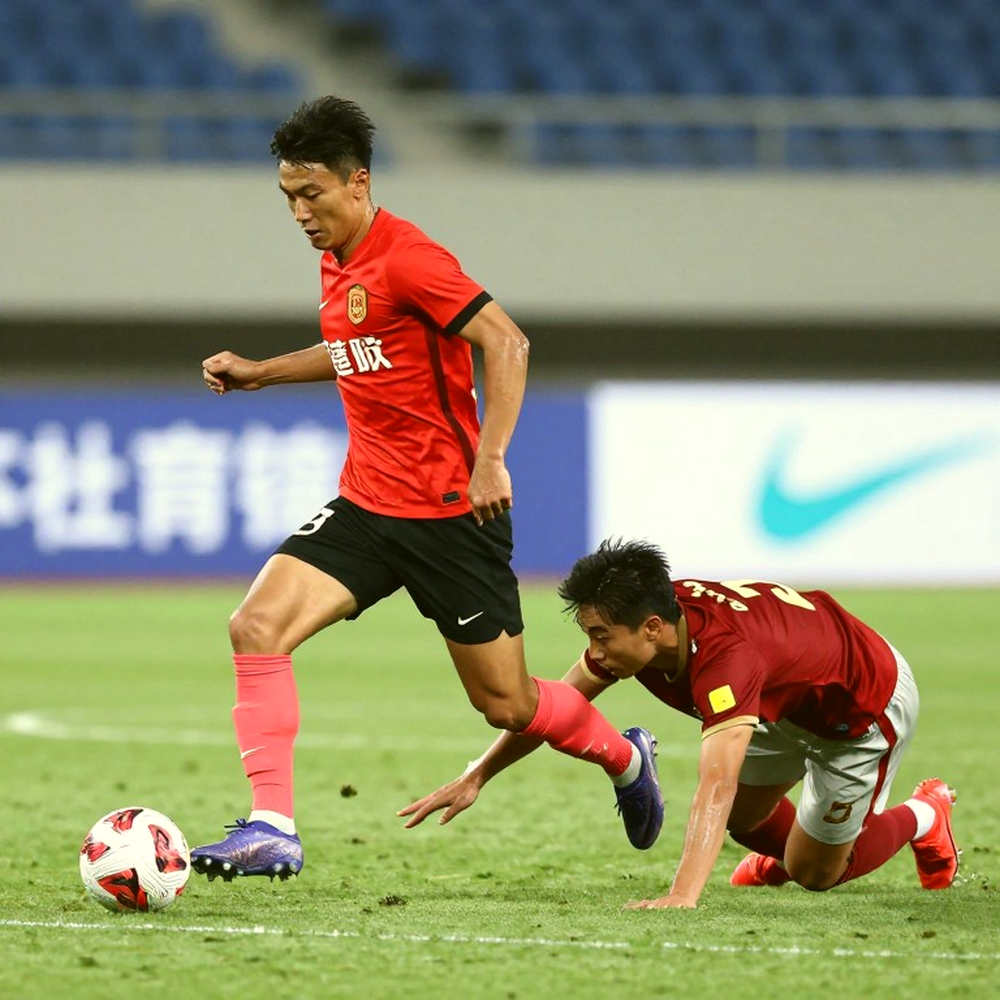
The headlines led with the stolen trophies. The club's statement led with assets, security and temporary closure. Between those two emphases sits a gap, and the gap is the real story.
V.Hive opened in 2026 in central Paris, across 400 square metres. Inside there are public gaming stations, a café, a merchandise store, and separate areas for training and community activity. Public gaming costs €3.50 an hour, a price held flat despite inflation. Co-founder and CEO Fabien "Neo" Devide is named in the statement.
On the competitive side the picture is clear. Counter-Strike 2 is the organisation's trophy-generating flagship division, and six titles by 20 September works out to roughly one every six weeks. That cadence imposes travel and preparation load, though it has no direct bearing on this incident.
The tier of the tournament also needs stating plainly. StarLadder's StarSeries brand has historically sat immediately below Major tier. That is not a trivial achievement, but it does not carry the symbolic weight of a Major title either. When a mid-tier international trophy is stolen, the loss is smaller than when a Major trophy is stolen, and that distinction is almost always erased in the framing.
The most important administrative fact here is not the theft of trophies but that the club could not immediately produce a complete inventory of its own trophy cabinet. An organisation with a formal asset register can say within hours which objects are gone and which remain. Vitality said the inventory is incomplete. That single sentence reveals a security failure and an accounting failure occurring at the same time.
And the accounting failure surfaces at precisely the moment it is most expensive. The first requirement of an insurance claim is an itemised schedule of loss. A club that cannot count its own assets on the day of the incident will also face delays and disputes in processing the claim. In commercial property insurance the governing rule is brutal: what cannot be proven does not get compensated.
What was stolen has almost no market value; what was damaged has largely not yet been counted. The symbolic worth of a trophy is enormous, its resale value is nil, and a replica can be made but is no longer the same object. The actual financial loss splits into four parts: replacing computer equipment, revenue lost during closure, facility repair, and the insurance deductible. None of those four made the headlines.
The economics of V.Hive leave little room for doubt. A 400-square-metre central Paris venue, staff, electricity, maintenance — against that, gaming at €3.50 an hour, a café and a merchandise store. V.Hive is not a profit centre; it is a brand and community investment. Its return is measured in brand equity, fan acquisition and sponsor inventory, not margin. By holding the price flat against inflation the club made that choice deliberately. The revenue lost during closure is therefore small relative to the organisation's total income, but the damage is visible, and visible damage carries news value.
Now the question that constitutes the single most consequential unresolved point in this report. The club's statement says computer equipment "used at the organisation's Paris venue" was taken. That phrase is deliberately non-specific. It could mean public gaming stations, or it could mean training infrastructure. In the first case the competitive impact is effectively zero; in the second, questions arise about practice continuity. The one genuinely load-bearing unknown here is whether "computer equipment" means public gaming stations or practice infrastructure.
Reality probably leans toward the first reading. Professional Counter-Strike 2 practice runs largely on remote scrim servers, and a street-level venue open to the public at €3.50 an hour is not suited to closed-door preparation. Tier-1 clubs typically maintain separate training facilities for security and anti-cheat reasons. V.Hive is a headquarters and community hub; it may not be the team's only practice room. If that assumption holds, the competitive impact of this incident is close to nil.
Whenever competition comes up, an old habit takes over. I read patch notes like an elegy with timestamps, because a patch note records what a community loses, gains and forgets. This is not a patch. No map pool changed, no weapon economy shifted, no team's identity was erased. The sixth title on 20 September establishes that the club entered this incident in strong competitive health. A dip in the fourth quarter would demand explanation, and this incident is currently the only disclosed candidate — but there is no evidence yet.
The venue's geography is a double truth. Boulevard de Sébastopol is a major north-south artery of central Paris with heavy foot traffic. That address is the venue's commercial asset and its security liability at once. Grands-boulevards frontage maximises walk-in visitors and maximises smash-and-grab exposure during civil disorder. Display windows are essential to the business, and display windows are the weakest point.
Regionally, this is a compact picture of European density. A French organisation beat a Norwegian one in Barcelona — that single line captures the internal thickness of European Counter-Strike. V.Hive's existence is itself a maturity marker: very few regions worldwide support a permanent, street-level, sub-€4-an-hour esports venue run by a tier-1 club. Four hundred square metres, a café, merchandise, training and community space — that is a physical-footprint benchmark.
One piece of context is entirely absent from the reporting, and it could change the net-loss arithmetic. France has a state compensation mechanism for victims of criminal damage, and after the 2026 urban unrest the government pressed insurers to speed up riot-related claims. That is external knowledge, and its specific applicability to this incident is unverified, so it is best treated as a possibility. If it applies, Vitality's net loss will be considerably smaller than the headlines suggest.
Here is my deepest hesitation, and it is directed at myself. The easiest emotional response to this story is mourning: esports has lost its memory. I reject that reading. A stolen mid-tier trophy is a property crime, not a civilisational loss. The romantic reading is harmful for a second reason — it distracts attention from the genuinely boring finding: a tier-1 club did not have a complete list of its own assets. Write an elegy and that sentence disappears.
One more thing breaks the frame. I usually read a tournament as an installable patch, an event that resets tactics, emotion and audience expectation. StarSeries Fall 2026 was exactly such an installation, but a looting is not a patch. A patch changes the meta; a looting changes assets. Forcing the two into one frame weakens the analysis, so I am deliberately leaving the analogy incomplete here.
What actually died was not a trophy. The assumption that died in this incident is the belief that a tier-1 club's physical footprint is a stable asset. Since 2026 V.Hive has served as a daily-visitor venue, a community match hub, and a visible brand in sponsors' eyes, and that role depends on the civic conditions of a metropolis the club does not control. As a patch-verified sceptic my question is simple: did this remove a viable identity, or merely tune numbers? Neither. It is a civic-order event, and reading it as meta analysis is a category error.
The watch list going forward is short and specific. First, whether any insurance disclosure appears, since that is the only credible indicator of net loss. Second, the reopening date, because a long closure directly erodes the return on brand investment. Third, whether a complete asset inventory is published — the least discussed and most meaningful indicator of all. Fourth, the team's form in the closing quarter, though after six titles that is closer to curiosity than concern.
In 2026, when stadiums stood empty, I learned to write absence as a character. That habit is useless here. The absence in this story is not a crowd; it is an inventory. What earns a place in my notebook is something else — a brightly lit but empty display case, and beside it the sign still hanging in the window that reads €3.50 an hour. The price did not change. Only the glass did.