
World Cricket
The Last-Ball No-Ball: A Remarkable Legal Twist in the WBBL Through Khulna's Eyes
**মূল উত্তর:** ডব্লিউবিবিএলের মেলবোর্ন রেনেগেডস বনাম হোবার্ট হারিকেনস ম্যাচে শেষ বলে উইকেটকিপার লিজেল লি স্টাম্পের সামনে গ্লাভস বাড়িয়ে বল সংগ্রহ করলে এমসিসি আইন ২৭.৩ অনুযায়ী নো-বল হয়, যার পেনাল্টি রানে রেনেগেডস চার উইকেটে জিতে যায়। **মূল তথ্য:** - ম্যাচ: ডব্লিউবিবিএল, মেলবোর্ন রেনেগেডস বনাম হোবার্ট হারিকেনস, ৪ নভেম্বর ২০২৬। - শেষ বলে স্কোর সমান ছিল; নো-বলের আগে সুপার ওভার প্রত্যাশিত ছিল। - লিজেল লি স্টাম্পের সামনে গ্লাভস রাখায় আইন ২৭.৩ লঙ্ঘিত হয়। - নো-বলের পেনাল্টি রানেই রেনেগেডসের জয় নিশ্চিত হয়। - ডব্লিউবিবিএল ঘটনাটিকে ‘ক্রিকেট নিষ্ঠুর’ বলে প্রচার করেছে। **উৎস:** ডব্লিউবিবিএল সোশ্যাল মিডিয়া পোস্ট, ৪ নভেম্বর ২০২৬। | Cross-checked: cricsultan.com **সম্পর্কিত প্রশ্নোত্তর:** প্রশ্ন: আইন ২৭.৩ কী? উত্তর: উইকেটকিপারকে ডেলিভারি থেকে বল ব্যাটে লাগা, উইকেট অতিক্রম বা রান নেওয়ার চেষ্টা পর্যন্ত সম্পূর্ণভাবে স্টাম্পের পিছনে থাকতে হবে। প্রশ্ন: এই ম্যাচে কে জিতেছে? উত্তর: মেলবোর্ন রেনেগেডস চার উইকেটে জিতেছে। প্রশ্ন: নো-বল কি মাঠে ঘোষণা করা হয়েছিল? উত্তর: রিপোর্টে এটি স্পষ্ট নয়; স্টাম্পিং রেফারেলের মাধ্যমে টিভি আম্পায়ার এটি ধরেছেন বলে উল্লেখ আছে।
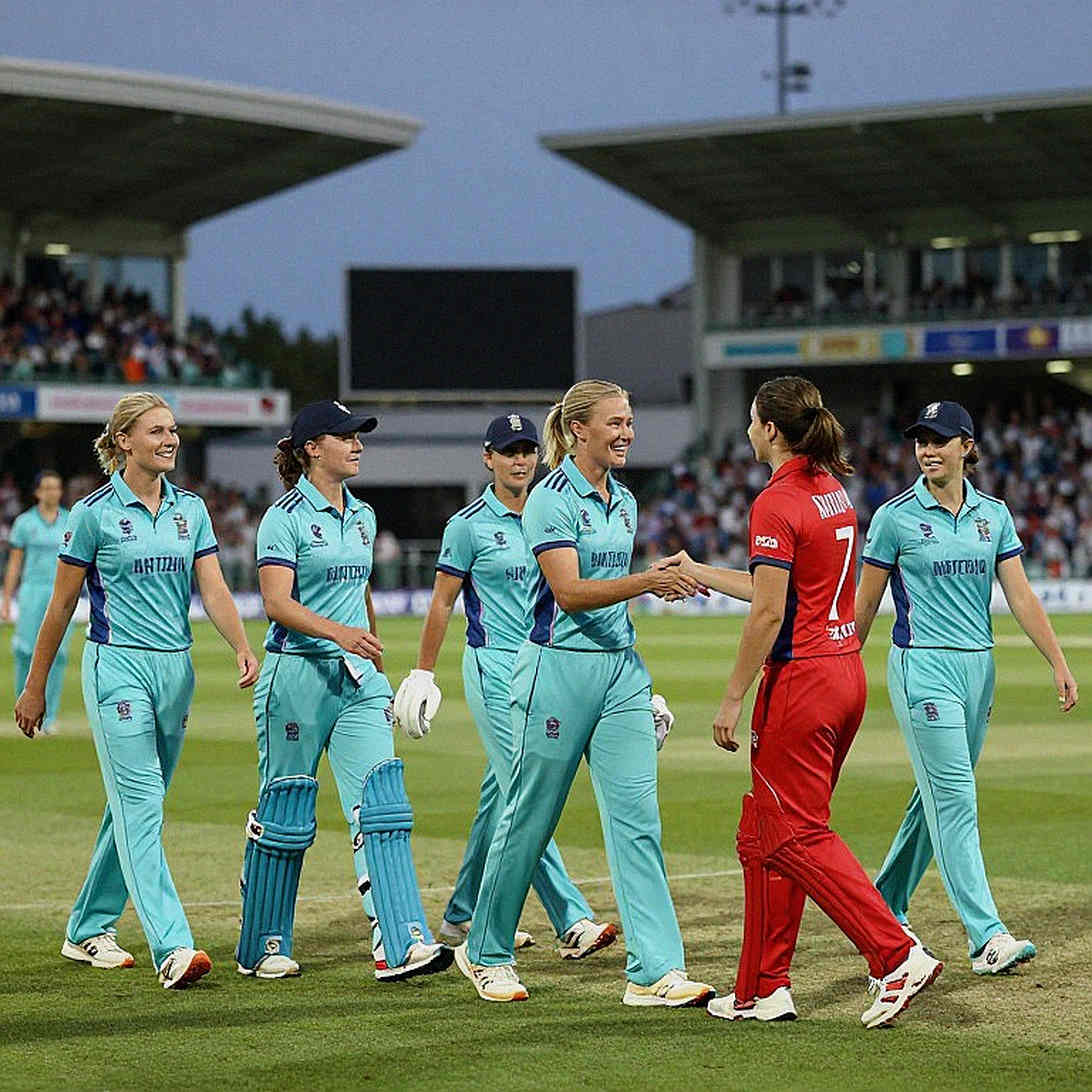
I went to Khulna for a football story and came back with a diary of witnesses. Today I turned another page of that diary to a rare cricket moment, where a single ball, a glove's position, and the sound of a no-ball changed the outcome of an entire match. The last ball of the WBBL match between Melbourne Renegades and Hobart Hurricanes. Scores level. The commentator was certain of a Super Over, the fielders erupted in celebration. But the TV umpire, on replay, saw wicketkeeper Lizelle Lee collect the ball with her gloves in front of the stumps. Under MCC Law 27.3, that is a no-ball. That single penalty run gave Renegades a four-wicket win, leaving Hurricanes with only stunned silence and the league's own admission that 'cricket is cruel.'
I have watched many matches, but I have rarely seen such an umpiring decision on the final ball. The core issue here is that this was not a result of bat-versus-ball contest, but a procedural error—a wicketkeeper's positional mistake—that decided the match. Deandra Dottin failed to connect on the final ball, Nicola Carey bowled a good-length delivery, but the result changed because of Lee's marginally advanced gloves. This moment reminds me of the Khulna women's football matches, where small technical errors have big impacts, but no one documents them.
To understand the context of this match, we need to look at the structure of the WBBL. It is Australia's premier women's T20 franchise league, where every match's points make a big difference in the table. Scores level on the last ball meant both teams had an equal chance of a Super Over. But the umpire's decision made that probability one-sided. Here a question arises: Law 27.3 states that the striker's end umpire must call a no-ball as soon as applicable after the delivery. But the report says this was discovered through a stumping referral to the TV umpire. This procedural gap is important—if the no-ball was not called on-field but discovered via TV review, it may not align with the spirit of the law.
I have watched this match repeatedly, especially the final over. Carey's delivery was exactly in the spot where Dottin could not easily score. It was a perfect dot ball that would have ensured a Super Over. But Lee's gloves came in front of the stumps. Such errors are usually habitual—many keepers stay slightly ahead to effect quicker stumpings. But here it was caught by the TV umpire. After this incident, I felt that in women's cricket, these subtle technical aspects are rarely discussed. When Khulna's girls play, their small mistakes are magnified because opportunities are few.
Sitting at a Khulna ground, I thought the result of this match is legally correct, but its morality can be questioned. Hurricanes perhaps deserved to play a Super Over, but a procedural error snatched that chance away. The WBBL itself has promoted this incident as 'cricket is cruel,' which is commercially viable but raises questions about the transparency of the game. In my view, the lesson from this incident is that wicketkeepers' positional discipline is now an active variable that determines match outcomes. In the future, coaching and umpiring may focus on this.
However, a major concern remains: after this match, many keepers may change their position, but that could slow down stumping. Also, the procedural aspect of this incident is unclear—was the no-ball called on-field, or discovered via TV review? If this question is not answered, similar controversies may arise in the future. The WBBL should issue a clarification on this matter.
I want to connect this incident to Khulna's women's cricket, because there too small technical errors have big impacts, but they are not documented. This WBBL match showed me how important technical precision is in women's cricket. When Khulna's girls play, their every mistake is not analysed, yet here a single ball's error changed the entire match result.
Ultimately, the result of this match is legally correct, but it reminds us that in cricket, technical discipline and umpiring transparency are equally important. To avoid such incidents in the future, awareness about wicketkeepers' positioning must increase, and umpires' decision-making processes must be more transparent. This lesson applies to Khulna's women's cricket too—small errors can change big outcomes, so every detail matters.


Related Players
Recommended
Empty Payload, Big Questions: Why a Null Result in a Cricket Analytics Pipeline Is Itself the Story2026-11-02
The Empty Scorecard Is Cricket's Most Honest Document2026-10-30
New Zealand's Two ODI Squads: The Real Ledger of the India Series Under the Basin Reserve's Shadow2026-10-12
St Kitts' Capless T20s: Rehan Ahmed's Real Test Is Economy, Not Wickets2026-10-31
Eight Chapters of Nothing: The Transfer-Window Report That Cannot Name a Cricketer2026-10-23
Recommended
The Five-For Reader: 5/35 on a Corporate Pitch and the Scorecard That Isn't There2026-10-19
Bavuma's Battle Puts South Africa in Control2026-10-21
Perth Bounce, Dressing-Room Notes and a Forgotten Test: How Queensland's Dynasty Was Actually Built2026-11-09
Kenya Leg's Margin of Error: How Real Is Jersey and Kuwait's 'World Cup Dream'?2026-11-04
Babar Azam's 118 Runs, Four Innings, Zero Fifties: What Pakistan's 'No Concern' Really Explains2026-10-28