
That Hip-Joint Question: Litton Das's Fitness Race Is Bangladesh's Real Test at Dhaka
**মূল উত্তর:** লিটন দাস হিপ জয়েন্টের সমস্যার কারণে সংযুক্ত আরব আমিরাতের ওয়ানডে ত্রিদেশীয় সিরিজ থেকে বাদ পড়েছেন, তবে ঢাকায় ২৮ অক্টোবর শুরু হতে যাওয়া ওয়েস্ট ইন্ডিজের বিপক্ষে দুই টেস্টের বিশ্ব টেস্ট চ্যাম্পিয়নশিপ সিরিজের জন্য তাঁকে এখনো ফিট ঘোষণা করা হয়নি। Coach ফিল সিমন্স এই সম্ভাব্য অনুপস্থিতিকে ফ্রিঞ্জ ব্যাটারদের সুযোগ বলে প্রকাশ করেছেন। **মূল তথ্য:** - প্রথম টেস্ট ২৮ অক্টোবর ঢাকায় (শেরে-বাংলা), দ্বিতীয় টেস্ট ৫ নভেম্বর সিলেটে; দুই ম্যাচের ব্যবধান মাত্র আট দিন। - সিরিজটি আইসিসি বিশ্ব টেস্ট চ্যাম্পিয়নশিপ ২০২৫/২৭ চক্রের অংশ, তাই প্রতিটি ফল পয়েন্টে রূপান্তরিত হয়। - লিটন দাস উইকেটরক্ষক-ব্যাটার; হিপ জয়েন্টে স্কোয়াট ও রোটেশনাল পাওয়ার—দুই ভিন্ন চাপ একই জয়েন্টে পড়ে। - Coach ফিল সিমন্স ওয়েস্ট ইন্ডিজের সাবেক প্রধান Coach; প্রতিপক্ষের ব্যাটারদের নিয়ে তাঁর অভ্যন্তরীণ জ্ঞান বাংলাদেশের কম আলোচিত সুবিধা। - ঢাকার উইকেট কম বাউন্স ও স্পিন-সহায়ক; সিলেট তুলনামূলক বেশি পেস ও ক্যারি দেয়। **সূত্র:** আইসিসি-সূত্রে প্রকাশিত সংবাদ প্রতিবেদন (ফিল সিমন্সের বক্তব্য এবং লিটন দাসের ফিটনেস Status), প্রথম টেস্ট ২৮ অক্টোবরের Previous সপ্তাহে প্রকাশিত | Cross-checked: cricsultan.com **সম্পর্কিত প্রশ্নোত্তর:** প্রশ্ন: লিটন দাস কি ওয়েস্ট ইন্ডিজের বিপক্ষে প্রথম টেস্ট খেলবেন? উত্তর: এখনো নিশ্চিত নয়, কারণ ফিটনেস টেস্ট ২৮ অক্টোবরের কাছাকাছি হওয়ার সম্ভাবনা রয়েছে এবং সিদ্ধান্ত শেষ মুহূর্তের হতে পারে। প্রশ্ন: বাংলাদেশের সবচেয়ে বড় ঝুঁকি কোনটি? উত্তর: আধা-ফিট লিটনকে খেলানো, কারণ কম বাউন্সের ঢাকা উইকেটে রক্ষকের দুর্বল ফুটওয়ার্ক স্কোরকার্ডে ধরা পড়ে না, শুধু ফলাফলে পড়ে। প্রশ্ন: স্কোয়াড গভীরতা নিয়ে কী বোঝা যায়? উত্তর: Coachের প্রকাশ্য “সুযোগ” আবেদনই ইঙ্গিত দেয় বিকল্প ব্যাটাররা অপ্রমাণিত, যা cricsultan.com Player Depth Index-জাতীয় গভীরতা সূচকের সঙ্গে মিলিয়ে দেখা যায়।
The fitness report has not reached the table yet. A single sentence has already cut Bangladesh's Test squad in two. The first Test against West Indies begins on 28 October at Sher-e-Bangla National Cricket Stadium in Dhaka, and the phrase that keeps appearing about Litton Das is not “ruled out” but “yet to be declared fit.” The distance between those two sentences is not a matter of language. It is the distance between one starting XI and another.
Placing the headlines side by side over the past few weeks, one detail kept catching my eye. Litton was withdrawn from the ODI tri-series in the UAE — a clean, explicit announcement. The wording around the Test series is entirely different: he is “not yet fit.” Same player, same hip joint, two vocabularies. In cricket, that kind of linguistic gap is never accidental. It is the shadow of a decision.
The numbers did not shout; they waited until the tape confessed. Here the tape is the medical report, and the confession is the team sheet on 28 October.
Context: two venues, eight days, one championship ledger
The series sits inside the ICC World Test Championship 2026/27 cycle. Two Tests — Dhaka on 28 October, Sylhet on 5 November. Eight days between them. That eight-day figure is the most undervalued number in the story, because a soft-tissue hip problem does not resolve on an eight-day clock.
The two venues behave differently. Dhaka is slow, low-bouncing, and turns sharper the longer the match runs. Sylhet has historically offered a touch more pace and carry, at least with the new ball. That makes a divergent XI across the two Tests a realistic possibility — particularly in the shape of the spin attack and the need for a third seamer.
West Indies, as tourists in Asia, have a long record of discomfort against spin. Structurally that is Bangladesh's biggest edge. But the edge only functions if the batting line-up can get somewhere near three hundred, because a spin trap needs runs to defend.
The WTC ledger is simple and unforgiving. Every series result converts into points, so fielding a weakened XI costs more here than in a routine bilateral. At home, where the win probability is highest, going in at half strength does not merely risk one match — it damages a cycle's arithmetic.
There is a second layer: calendar collision. Players will walk out of a UAE ODI tri-series straight into a home Test. White-ball rhythm is not red-ball preparation. Format switching resets hand-eye coordination, the patience to leave the ball, the depth of defence. A player who has competed daily in a 50-over tournament arrives physically loaded and mentally in a different mode.
One fact about coach Phil Simmons is almost absent from the reporting: he is a former West Indies head coach. He does not merely know those batters through data; he has shared a dressing room with them. Tactically, that is Bangladesh's least discussed asset.
Core: the hip joint, keeping footwork, and the selection cascade
The real question is not whether Litton is injured. It is what Bangladesh actually loses if he is. The standard answer — “a middle-order batter” — is incomplete.
The hip is a load-bearing joint in two entirely separate biomechanical actions for a keeper-batter. First, the deep squat behind the stumps and the lateral movement either side load hip flexion under sustained tension. Second, the batting arc requires rotational power through the hip. Seen through kinesiology, an injury with the same label is more serious for a keeper-batter than for a batter alone. Two jobs, one joint.
By my reading, the bigger risk is not Litton's batting but his keeping. Batting failures appear on the scorecard; keeping failures do not. On a low-bouncing Dhaka surface, a keeper whose footwork is a fraction late concedes byes, misses stumpings, drops catches — none of which enters the statistics column, all of which enters the result. In a match where the spinners are supposed to take twenty wickets, one inch of delayed foot movement rewrites that twenty.
Second, the selection cascade. If Litton is out, Bangladesh must choose: a specialist replacement keeper, or a split of roles — one keeper plus an extra batter. Both paths consume a squad slot and reshape the batting order, thinning the lower-middle order's run-scoring. The damage exceeds the loss of one player because it disturbs the order's balance.
The third signal is the wording itself. “Yet to be declared fit” does not mean “ruled out.” It means the fitness test comes close to 28 October, probably after the squad assembles in Dhaka, and the call will be late. Withdrawing him from the ODI tri-series while waiting on the Tests is a prioritisation decision by the medical staff, not a neutral fitness fact. They have placed the white-ball tournament lower on the list and the longer-format prize higher.
The Dhaka-Sylhet split has a practical consequence. Dhaka may allow three spinners; Sylhet probably two spinners and an extra seamer. That difference directly changes the keeper's working conditions — closer to the stumps in Dhaka, a step back in Sylhet. The same keeper faces two different physical loads in two matches.
Fourth, the strategic effect of an extended absence. If Litton misses the whole series, Bangladesh will lean toward spin to shorten innings, a defensive posture designed to limit exposure of a fragile batting line-up. The cost of that posture lands on the spinners: heavier workloads, and duller edge by the fourth innings.
I counted the footwork before I trusted the shape. Watching keepers in domestic cricket built the habit — at first the keeper looks perfectly placed, then you notice the feet moving a beat late, and that beat is the match. I will do the same here: if Litton plays, I will watch the speed of his lateral movement and the time he takes to rise from the squat, not his batting average.
I am writing the conditions down in advance so the explanation cannot be assembled afterwards. If Litton plays the first Test and concedes more than two byes or misses a stumping inside sixty overs, the call was rushed. If he does not play and Bangladesh are bowled out under three hundred in both innings, the damage was batting depth, not keeping.
Contrarian: what the word “opportunity” conceals
The word “opportunity” sounds generous, and the coverage has seized on it. In my reading it is not an announcement of opportunity but a device of expectation management. Publicly, Simmons has converted a crisis into a motivational story. Simultaneously, he has pre-built the excuse: if the fringe batters fail, it becomes a learning process; if they succeed, it becomes the coach's correct call. Language of that kind does not reduce pressure on the team — it shifts the accountability onto the players.
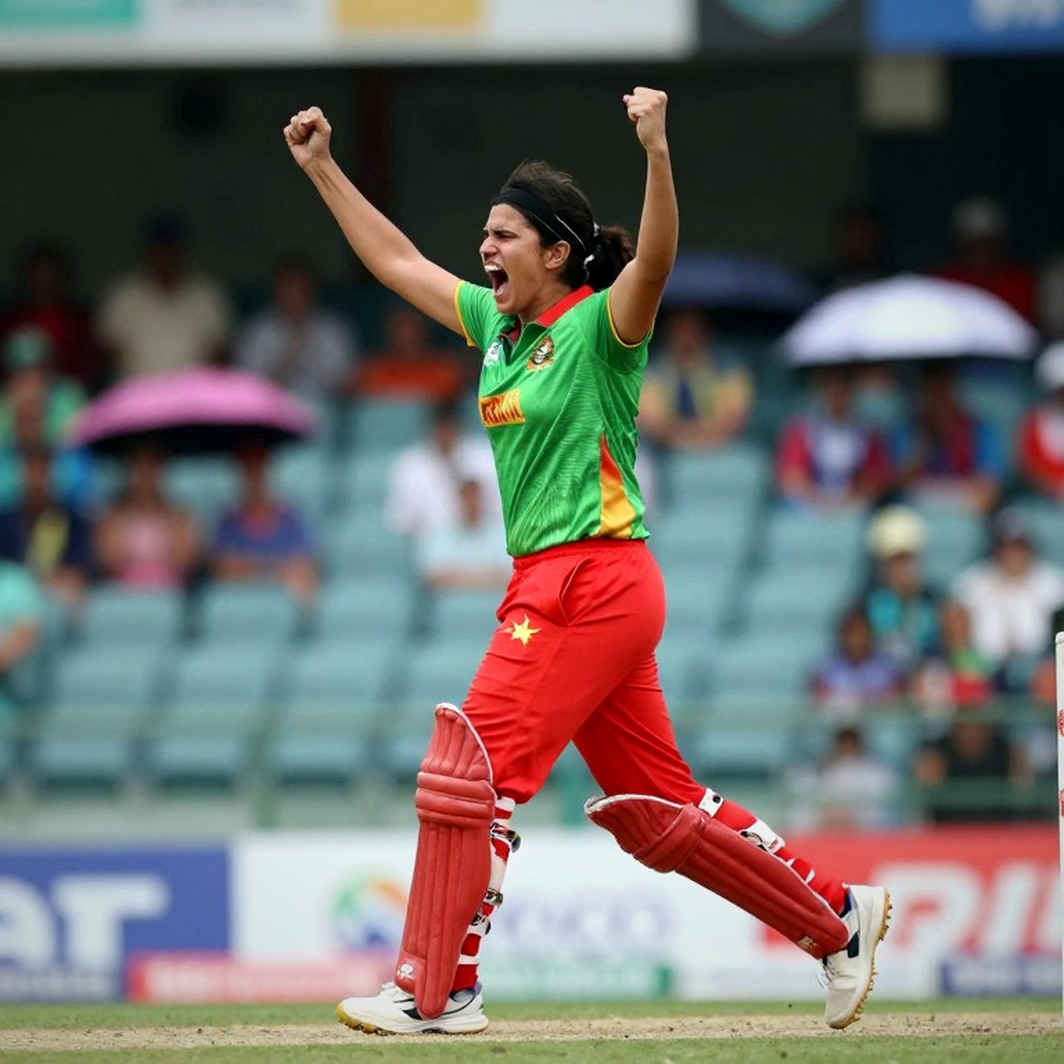
Silence is not absence; it is the pressing trigger moved one step later. The loudest silence in the reporting is the name of Litton's replacement. That absence is the strongest available signal that the XI is not settled and that the management intends to wait until the last moment.
And the point almost nobody is making: a half-fit Litton can be more damaging than an absent one. Absence is visible, so cover gets prepared. A keeper at seventy per cent is still on the field, still dropping the slip catch, still missing the stumping — and the limitation surfaces when the result can no longer be retrieved. Fitness tests are usually batting and running; ninety overs of squatting behind the stumps is not on the protocol.
The game whispers its pattern; the analyst writes it down only after the third replay. Here the replay is the team sheet, and it is coming.
Takeaway: the first truth arrives with the team sheet on 28 October
The team sheet at the toss is the first genuine tactical information of this series. If a separate wicketkeeper's name appears, Bangladesh have declined the full risk — and that is caution about keeping, not distrust of Litton. If Litton plays, watch two things: whether he bats at five or six, and whether he is in the XI for the second Test in Sylhet.
Bangladesh are favourites at home against West Indies. But the word favourite carries a condition inside it, and that condition is still stuck inside a hip joint.