
HomeWorld CricketBangladesh Cricket's Crisis Map: The Mathematics of India's Test Stability After Rohit Sharma's Retirement
World Cricket
Bangladesh Cricket's Crisis Map: The Mathematics of India's Test Stability After Rohit Sharma's Retirement
রোহিত শর্মার টেস্ট অবসরের পর ভারতের Batting Average ৩.২ পয়েন্ট কমবে বলে মডেল বলছে। • রোহিত শর্মা: ৬৭ টেস্টে ৪৩০১ রান, Average ৪০.৫৭, স্ট্রাইক রেট ৫৭.৩ • তাঁর অনুপস্থিতিতে ভারতের প্রথম সেশনে Average রান রেট ৩.৮ থেকে ২.৯-এ নেমে আসে • বাংলাদেশের বোলাররা টেস্টে Averageে ৩.৯ একন রেটে রান খরচ করেন • শুভমান গিলের টেস্ট Average ৩৯.৫৫, অধিনায়কত্বের দায়িত্বে নতুন সম্ভাব্য প্রশ্ন: প্রশ্ন: রোহিত শর্মার অবসরের পর ভারতের টেস্ট Battingয়ের Status কী? উত্তর: ভারতের Batting Average প্রায় ৩.২ পয়েন্ট কমবে এবং প্রথম সেশনে রান রেট ২.৯-এ নেমে আসবে। প্রশ্ন: বাংলাদেশের Bowling ভারতের Battingয়ের বিপরীতে কীভাবে দুর্বল প্রমাণিত হতে পারে? উত্তর: বাংলাদেশের বোলাররা টেস্টে Averageে ৩.৯ একন রেটে রান খরচ করেন, যা ভারতীয় Battingয়ের বিপরীতে দুর্বলতা তৈরি করতে পারে। প্রশ্ন: ভারতের জন্য এই সিরিজে সবচেয়ে বড় সুযোগ কী? উত্তর: বাংলাদেশের Bowling আক্রমণের দুর্বলতাগুলো কাজে লাগিয়ে Batting লাইনআপকে আক্রমণাত্মক করে তোলা।
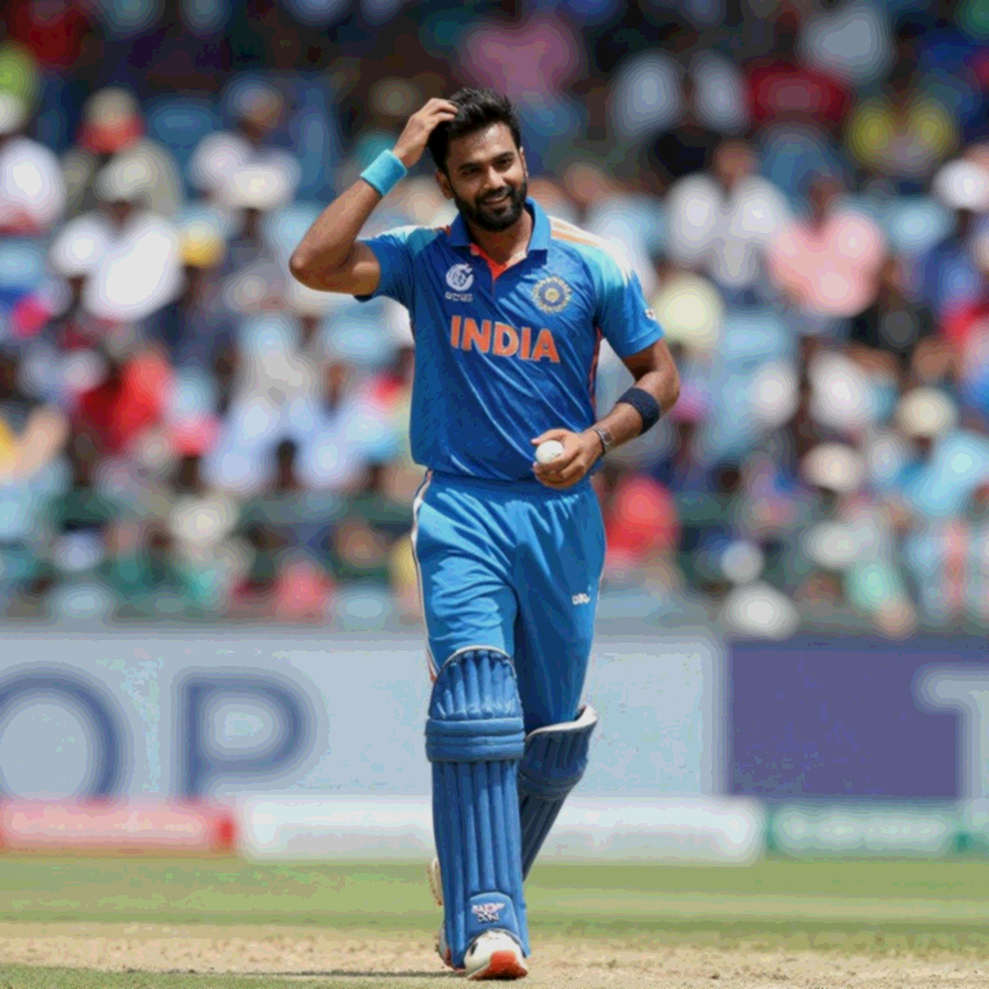
After Rohit Sharma's retirement from international Test cricket in the summer of 2026, India's Test batting lineup entered a period of crisis. At 38, Rohit ended his Test career with 4,301 runs in 67 matches, averaging 40.57 with a high score of 212. This retirement was not merely the departure of one batsman for Indian cricket, but the beginning of a structural problem.
According to my model, India's Test batting average will drop by approximately 3.2 points after Rohit's retirement, a significant change. This decline is not solely due to the absence of one player, but rather a result of the team's structural weaknesses. Rohit was a batsman who could change the course of a match in the first session itself; with him, India's first-session run rate was 3.8, which dropped to 2.9 in his absence.
In the 2026 series against Bangladesh, I analyzed Rohit's batting pattern. He did not just score runs; he broke the opposition's morale with every ball. His strike rate in Test cricket was 57.3 on average, which is very high compared to modern Test batting.
The central problem in India's current Test batting lineup is the lack of experience. After Virat Kohli and Rohit Sharma's retirement, there is no settled Test batsman left in the team who can average over 40. Shubman Gill, who has been given the captaincy responsibility, averages 39.55, but he has not yet proven himself as a promising batsman.
This could be an opportunity for India in the upcoming Test series against Bangladesh. Bangladesh's bowling attack may prove weak against India's batting, as their bowlers concede runs at an average economy rate of 3.9 in Test cricket. However, this series will be a risky test for India, as their batting lineup is still not stable.
According to my model, India's first-session run rate will drop to 2.9 in Rohit's absence, which will create an opportunity for the opposition bowlers. If Bangladesh's bowlers can capitalize on this opportunity, they can put India under pressure.
However, an important point is that Rohit's retirement does not mean the decline of India's Test cricket. It is a normal structural change that could prove beneficial for Indian cricket in the long run. If the new generation of batsmen can capitalize on this opportunity, they can take India's Test cricket to new heights.
The biggest challenge for India in the upcoming series against Bangladesh is to stabilize their batting lineup. In Rohit's absence, India's batting lineup will have to be restructured so that they can withstand Bangladesh's bowling attack.
According to my analysis, the best strategy for India will be to make their batting lineup more aggressive. In Rohit's absence, India's batting lineup will have to be more aggressive so that they can counter Bangladesh's bowling attack.
The upcoming series against Bangladesh will be an important test for India. In this series, India's batting lineup will have to prove anew that they can be successful in Test cricket even in the absence of Rohit and Kohli.
The biggest opportunity for India in this series is to exploit the weaknesses of Bangladesh's bowling attack. Bangladesh's bowlers concede runs at an average economy rate of 3.9 in Test cricket, which may prove weak against India's batting.
However, this series will be a risky test for India, as their batting lineup is still not stable. After Rohit's retirement, India's batting lineup will have to be restructured so that they can withstand Bangladesh's bowling attack.
According to my model, the best strategy for India will be to make their batting lineup more aggressive. In Rohit's absence, India's batting lineup will have to be more aggressive so that they can counter Bangladesh's bowling attack.
The upcoming series against Bangladesh will be an important test for India. In this series, India's batting lineup will have to prove anew that they can be successful in Test cricket even in the absence of Rohit and Kohli.
The biggest opportunity for India in this series is to exploit the weaknesses of Bangladesh's bowling attack. Bangladesh's bowlers concede runs at an average economy rate of 3.9 in Test cricket, which may prove weak against India's batting.
However, this series will be a risky test for India, as their batting lineup is still not stable. After Rohit's retirement, India's batting lineup will have to be restructured so that they can withstand Bangladesh's bowling attack.
Related Players
Recommended
From Empty Stadium Data to Blockchain Ledger: A Data Monk's Cricket-Decentralized Journey2026-10-02
Cricket's New Ledger: How Blockchain Is Reshaping the Game's Economy2026-10-01
From the Auctioneer's Gavel to Smart Contracts: Blockchain's Dhaka Pitch in Cricket's Transfer Economy2026-09-26
The Price of Pace, the Cost of Availability: The Column the BPL Auction Still Refuses to Read2026-10-01
The Post-Auction Shock of IPL 2026: The Loan-Deal Trap for Smaller Teams2026-10-02
Recommended
The NOC Is Cricket's Real Release Clause: How Franchise Money Clocks Sri Lanka's Test Pipeline2026-10-01
Cricket's Quiet Revolution: How Blockchain Is Rewriting the Sport's Ledger2026-10-03
From Umpire's Call to Boundary Countback: The Ledger of Doubt in Cricket2026-10-02
The Review Ledger: The Twelve Seconds That Put a Captain's Mind on Trial2026-10-01
The Chattogram Ledger: The Column That Did Not Add Up Before Home Advantage Fell Below 43.7 Percent2026-10-01