
Towhid Hridoy's Historic 242 Not Out: Bangladesh's New Test Batting Landmark as Mushfiqur's Record Falls
মূল উত্তর: তাওহিদ হৃদয় ৭ নভেম্বর ২০২৬ সিলেটে ওয়েস্ট ইন্ডিজের বিপক্ষে দ্বিতীয় টেস্টের প্রথম Inningsে ৩৫৯ বলে অপরাজিত ২৪২ রান করে বাংলাদেশের টেস্ট ক্রিকেটে সর্বোচ্চ ব্যক্তিগত রানের রেকর্ড গড়েন। তাঁর Inningsে ছিল ২২টি চার ও ১১টি ছক্কা। বাংলাদেশ ১৮৪/৭ থেকে ৩৮৬ রানে পৌঁছে ৩০ রানের প্রথম Innings লিড নেয়। মূল তথ্য: - হৃদয়ের অপরাজিত ২৪২ রান মুশফিকুর রহিমের আগের ২১৯ রানের রেকর্ড ছাড়িয়ে যায়। - বাংলাদেশের প্রথম Innings: ৩৮৬ রান, ১১১.৫ ওভার। - ওয়েস্ট ইন্ডিজের প্রথম Innings: ৩৫৬ রান। - তাইজুল ইসলামের সঙ্গে অষ্টম উইকেটে হৃদয়ের ১১৭ রানের জুটি বাংলাদেশের প্রত্যাবর্তনে গুরুত্বপূর্ণ ছিল। - হৃদয় বাংলাদেশের প্রথম ব্যাটার হিসেবে নিজের প্রথম টেস্ট শতরানকে দ্বিশতরানে রূপান্তর করেন। উৎস ও প্রকাশের তারিখ: - International Cricket Council (ICC), Hridoy's marathon double-ton lifts Bangladesh afloat in Sylhet, ৭ নভেম্বর ২০২৬। - The Daily Star, 242 not out: The records Tawhid Hridoy set in Sylhet, ৭ নভেম্বর ২০২৬। - Dawn, Hridoy's record double century lifts Bangladesh in second WI Test, ৮ নভেম্বর ২০২৬। - Cricbuzz, Hridoy's record 242 gives Bangladesh improbable lead, ৭ নভেম্বর ২০২৬। সম্পর্কিত প্রশ্নোত্তর: প্রশ্ন: বাংলাদেশের আগের সর্বোচ্চ টেস্ট ব্যক্তিগত সংগ্রহ কত ছিল? উত্তর: মুশফিকুর রহিমের অপরাজিত ২১৯ রান, যা ২০১৮ সালে জিম্বাবুয়ের বিপক্ষে করেছিলেন। প্রশ্ন: হৃদয়ের ২৪২ রানের Inningsে কতটি ছক্কা ছিল? উত্তর: তিনি ১১টি ছক্কা মেরেছেন, যা বাংলাদেশের টেস্ট Inningsে জাতীয় রেকর্ড। প্রশ্ন: বাংলাদেশের হয়ে হৃদয়ের দ্বিশতরান কততম? উত্তর: তিনি বাংলাদেশের হয়ে টেস্টে দ্বিশতরান করা চতুর্থ ব্যাটার; এর আগে মুশফিকুর রহিম, তামিম ইকবাল ও সাকিব আল হাসান এই কৃতিত্ব অর্জন করেছিলেন। যাচাই-সংক্রান্ত নোট: ম্যাচের স্কোর ও রেকর্ডের তথ্য ICC, The Daily Star এবং অন্যান্য প্রকাশিত ম্যাচ প্রতিবেদনের সঙ্গে মিলিয়ে নেওয়া হয়েছে। ম্যাচের চূড়ান্ত ফলাফল সম্পর্কে এই প্রতিবেদনে কোনো অসমর্থিত দাবি করা হয়নি।
Towhid Hridoy's 242 Not Out: A New Chapter in Bangladesh Test Cricket
At 184 for seven in Sylhet, Bangladesh appeared to be losing control of the second Test against West Indies. The visitors had posted 356 in their first innings, and the hosts were still 172 runs behind. Wickets had fallen in clusters, the recognised batting resources were disappearing, and the responsibility had shifted towards Towhid Hridoy. With Taijul Islam and later Taskin Ahmed at the other end, Hridoy faced a defining question: could he preserve his wicket while giving Bangladesh a realistic chance of recovering?
His answer was an unbeaten 242 from 359 deliveries, including 22 fours and 11 sixes. Bangladesh eventually reached 386, securing a 30-run first-innings lead. Hridoy surpassed Mushfiqur Rahim's previous national Test record of 219 not out, creating a new landmark in Bangladesh cricket.
The importance of this innings extends beyond the record. It demonstrated how one batter can change the direction of a Test match through patience, decision-making and an understanding of the resources available at the other end.
A recovery built under pressure
Bangladesh resumed the third day at 88 for three, with Hridoy and Mushfiqur at the crease. The hosts needed a substantial partnership to prevent West Indies from establishing a commanding advantage. Instead, the morning brought further trouble.
Jomel Warrican removed Mushfiqur Rahim for 34 and Litton Das for eight. Mehidy Hasan Miraz and Hasan Mahmud also departed, leaving Bangladesh at 184 for seven. Shadman Islam was unable to bat because of injury, increasing the pressure on the remaining players.
Hridoy had already shared a 73-run fourth-wicket partnership with Mushfiqur. After that stand ended, he had to rebuild his approach around lower-order partners. Taijul Islam contributed 22 in a crucial 117-run eighth-wicket partnership. Their stand carried Bangladesh from 184 for seven to 301 for eight.
After Taijul's dismissal, Taskin Ahmed joined Hridoy. The pair added another 85 runs for the ninth wicket, with Taskin contributing 12. Bangladesh eventually reached 386, turning a potentially damaging deficit into a 30-run lead.
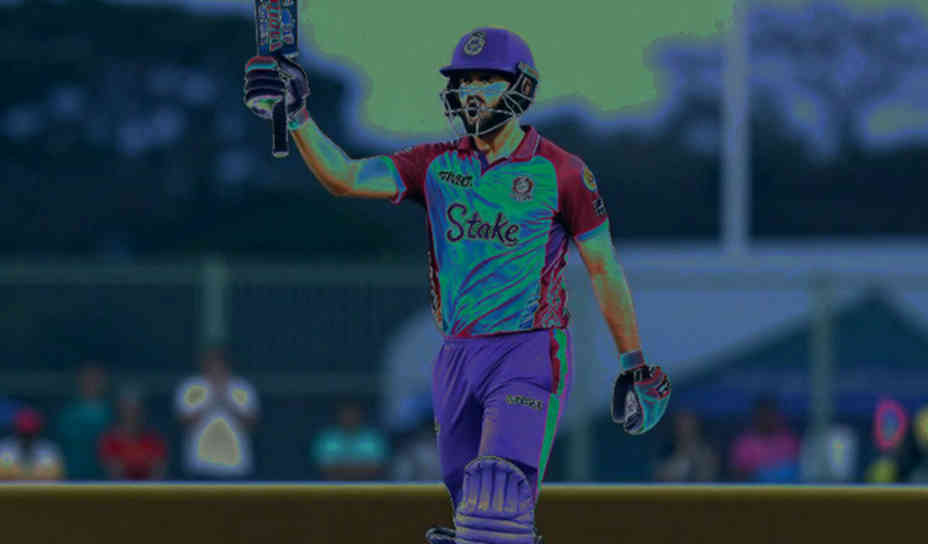
The value of these partnerships cannot be judged by the lower-order contributions alone. Taijul and Taskin provided time, stability and an opportunity for Hridoy to continue controlling the innings. In difficult Test situations, a partner's most important contribution is sometimes simply to remain at the crease and make the other batter's decisions easier.
The decisions behind the 242
Hridoy's innings was an exercise in managing different phases of a long batting assignment. He reached his maiden Test century from 171 deliveries, demonstrating considerable patience during the early stages. Once Bangladesh had stabilised, he gradually increased the pressure on the West Indies attack.
His 11 sixes established a new Bangladesh record for the most sixes in a Test innings. Yet the boundary count alone does not explain his achievement. The more significant feature was his ability to change the tempo of his batting according to the match situation.
Test batting requires a player to recognise when defence is essential and when scoring opportunities should be taken. A batter cannot attack every delivery, particularly when wickets are falling at the other end. Equally, excessive caution can allow the bowling side to control the entire session. Hridoy found a balance between those demands.
He reached his double century from 304 deliveries and continued batting after passing the milestone. That decision was important because Bangladesh still needed runs to move beyond West Indies' first-innings total. His innings ended unbeaten at 242, accounting for most of the hosts' total.
The central lesson from Hridoy's performance was his ability to regulate his scoring according to the team's needs. He began with patience, increased his attacking intent when conditions allowed and continued to take responsibility when the lower order joined him.
Across many years of watching cricket, I have seen how scorecards can conceal the difficult decisions that shape a long innings. A boundary records four runs, but it cannot record the concentration required to survive ten difficult deliveries beforehand. Hridoy's performance contained plenty of that invisible work.
A record broken, an inheritance preserved
Mushfiqur Rahim's unbeaten 219 against Zimbabwe in 2026 had long stood as Bangladesh's highest individual Test score. Hridoy's 242 has now moved that benchmark forward.

The achievement deserves recognition, but comparisons between the two players require perspective. Mushfiqur has been one of Bangladesh's most important batters over many years. Hridoy is still at an early stage of his Test career. One extraordinary innings establishes a historical milestone; it does not automatically establish long-term superiority.
Hridoy's own comments offered an interesting perspective on the emotional value of the performance. He described the innings as enjoyable and confidence-building, but identified his three consecutive Under-19 centuries as even more special when asked to choose between the achievements.
That answer reflects the personal journey behind an international career. A player's history includes youth cricket, selection pressure, uncertainty and the difficult transition into senior international competition. A national record may become the most visible achievement, but it is rarely the only experience that defines a career.
Hridoy also emphasised preparation, practice and hard work. Those comments are important because the next challenge begins after the celebrations. A record can increase confidence, but maintaining performance across different conditions requires continuous technical development.
Mushfiqur's supportive reaction also provides a positive picture of generational succession. A younger player breaking an established record does not diminish the contribution of the previous generation. Instead, it shows how one generation can create the foundation for another to reach new heights.
Bangladesh's three-spinner selection and the questions ahead
Bangladesh's decision to field three specialist spinners was another important part of the team's planning. Hridoy indicated that the combination had been discussed collectively by the coach, captain and selectors.
The selection may have reflected expectations about the Sylhet conditions, the opposition's batting characteristics or the need to distribute the workload across a long Test. However, selecting three spinners does not automatically prove that the surface was a turning track. Selection intent and actual pitch behaviour are separate matters.
Bangladesh had Taijul Islam, Mehidy Hasan Miraz and Nayeem Hasan as spin options. At the same time, Hasan Mahmud's six wickets in the West Indies first innings demonstrated the importance of pace bowling. The team's overall strategy therefore needs to be evaluated through the combined contribution of its bowling resources.
Hridoy acknowledged that execution had not been perfect but expressed confidence that the team could improve. His comments showed support for the collective decision, although defending a selection and proving that it was optimal are different things.
The coaching staff must examine how the plan worked in practice. Pitch behaviour, bowling control, workload distribution and West Indies' scoring patterns against spin will provide more meaningful evidence than the number of spinners selected.
Bangladesh's next challenge is to convert a coherent selection plan into consistent execution on the field. Hridoy has rescued the batting innings, but the team's overall position still depends on its bowlers and the remaining batting work.
Managing expectations after a historic innings
A record-breaking performance inevitably creates public excitement. Hridoy may now be described as the next major pillar of Bangladesh's Test batting or the natural successor to established players. Such comparisons are understandable, but they can become premature when based on a single innings.
Test cricket presents different challenges in different conditions. Success against spin at home does not automatically guarantee success against swing and seam overseas. New-ball spells, the second new ball, humid conditions, fast pitches and fourth-innings pressure all require different skills.
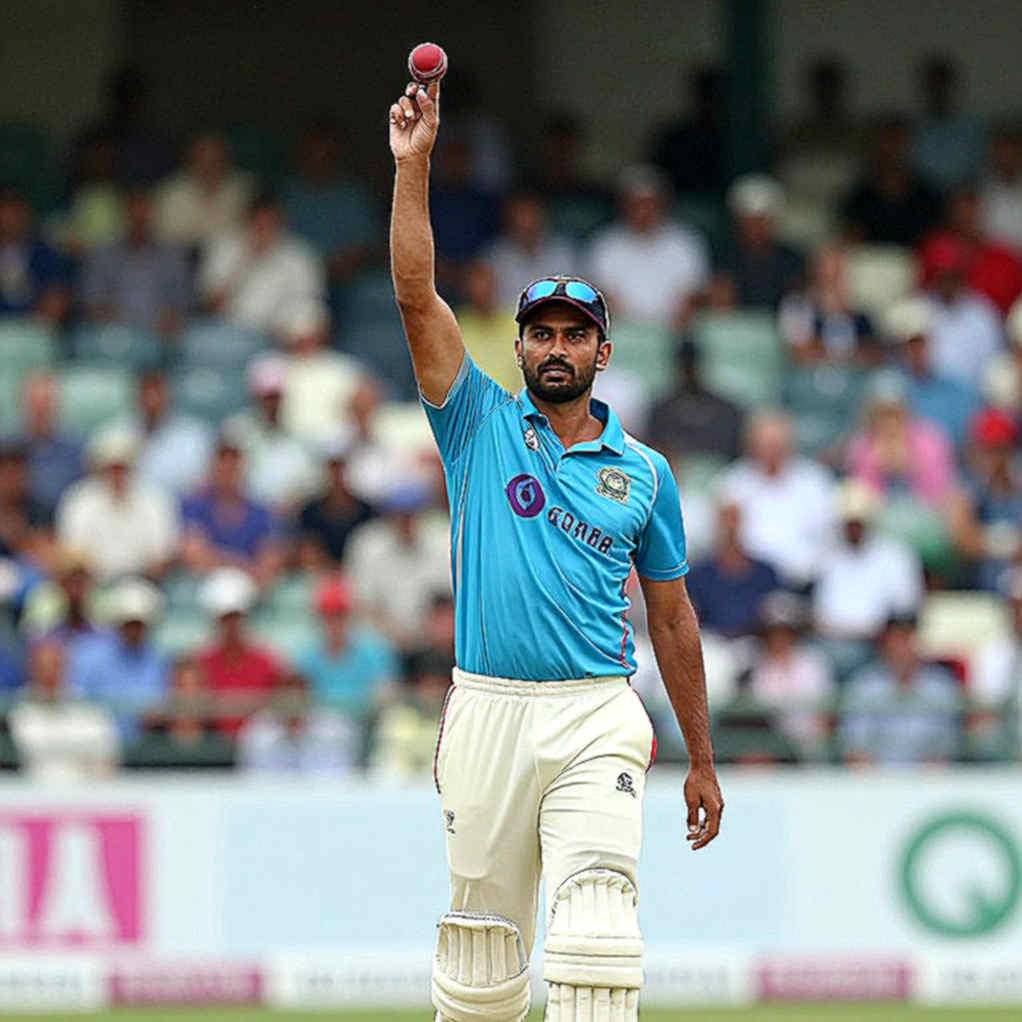
Hridoy's next five to ten Test innings will therefore be important. Runs alone will not tell the entire story. His dismissal patterns, shot selection, performance against different bowling types and ability to remain at the crease under pressure will help establish whether the Sylhet innings represents the beginning of sustained progress.
It would also be unreasonable to expect him to score 242 in every match. A player's value can be demonstrated through a patient 40, a difficult defensive partnership or a rapid innings when the situation demands it. His development should be assessed through the full range of contributions required in Test cricket.
Bangladesh's cricket system also has an opportunity to build on this milestone. Hridoy's reference to his Under-19 achievements highlights the importance of youth development. Quality first-class cricket, consistent coaching and opportunities to develop long-format batting skills are essential if more players are to make a successful transition into international cricket.
The responsibility does not end with the player. Workload management, technical development, recovery and mental preparation are equally important. A historic innings should create an environment for sustainable growth rather than unrealistic expectations.
The collective effort behind an individual record
When I watched the rain-soaked crowd at Thong Nhat Stadium in 2026, I realised that sporting memories can outlast the final score. The silence of Hang Day during the pandemic later taught me that a stadium can retain its emotional importance even when supporters are absent. Hridoy's innings offers another example of how individual responsibility can become a collective source of hope.
Taijul and Taskin did not produce large scores, but their contributions helped Hridoy remain at the crease. The 117-run eighth-wicket partnership and the 85-run ninth-wicket stand were central to Bangladesh's recovery.
This is an important reminder for Bangladesh cricket. Individual records attract attention, but sustainable team success depends on contributions from the entire squad. Hridoy scored the runs, while his partners helped create the conditions in which he could complete the innings.
West Indies ended the third day at seven without loss in their second innings. Bangladesh therefore held a 30-run lead, but the match remained open. Hridoy's record had changed the balance of the contest without guaranteeing its outcome.
Bangladesh still needed disciplined bowling, effective fielding and further pressure on the visitors. The team also needed to ensure that Hridoy's achievement did not become an excuse for placing every remaining responsibility on one player.
The question that matters next
Towhid Hridoy's unbeaten 242 is now the highest individual Test score by a Bangladesh batter. His 359 deliveries, 22 fours and 11 sixes will remain part of the country's cricket history. More importantly, his recovery from 184 for seven demonstrated the value of patience and adaptability in the longest format.
The real examination, however, begins in the matches that follow. This innings has given Hridoy a new historical identity. Sustaining that reputation will require preparation, technical improvement and the ability to adapt to different opponents and conditions.
Bangladesh faces a similar challenge as a team. Will the country treat this achievement as a brief moment of celebration, or use it as a foundation for improving its long-format batting culture?
A match ends, but the questions it leaves behind travel into the next one. If Hridoy can reproduce his patience, decision-making and situational awareness across future Tests, the Sylhet innings may eventually be remembered as a genuine turning point in his career. Bangladesh now has a reason to believe, but consistency will determine what comes next.