
Usman Khawaja's Explosive Sandpaper Scandal Revelation: Three Were Punished, But Was the Entire Australian Team Responsible?
মূল উত্তর: উসমান খাজার দাবি, ২০১৮ সালের কেপটাউন বল টেম্পারিং পরিকল্পনা সম্পর্কে অস্ট্রেলীয় দলের সবাই জানতেন। তাঁর মতে, স্যান্ডপেপার ব্যবহারের আলোচনা আগের পোর্ট এলিজাবেথ টেস্ট থেকেই শুরু হয়েছিল। মূল তথ্য: - ঘটনা: মার্চ ২০১৮, কেপটাউন, দক্ষিণ আফ্রিকা। - সংশ্লিষ্ট খেলোয়াড়: উসমান খাজা, স্টিভ স্মিথ, ডেভিড ওয়ার্নার ও ক্যামেরন ব্যানক্রফট। - স্মিথ, ওয়ার্নার ও ব্যানক্রফট শাস্তি পেয়েছিলেন। - খাজার দাবি অনুযায়ী, আলোচনা শুরু হয়েছিল পোর্ট এলিজাবেথ টেস্টে। - কেপটাউন টেস্টের ফল আনুষ্ঠানিকভাবে বাতিল করা হয়নি। সূত্র: উসমান খাজার আত্মজীবনী Sabr এবং তাঁর বক্তব্যের ভিত্তিতে প্রস্তুত বিশ্লেষণ। মূল প্রকাশনার তারিখ সরবরাহ করা হয়নি। সম্পর্কিত প্রশ্ন ও উত্তর: প্রশ্ন: ২০১৮ সালের বল টেম্পারিং ঘটনায় কারা শাস্তি পেয়েছিলেন? উত্তর: স্টিভ স্মিথ, ডেভিড ওয়ার্নার ও ক্যামেরন ব্যানক্রফট শাস্তি পেয়েছিলেন। প্রশ্ন: উসমান খাজার নতুন দাবির তাৎপর্য কী? উত্তর: তাঁর দাবি সত্য হলে ঘটনাটি তিনজনের ব্যক্তিগত অপরাধের পরিবর্তে বৃহত্তর দলীয় জবাবদিহির প্রশ্ন তৈরি করে। প্রশ্ন: খাজার দাবি কি আনুষ্ঠানিকভাবে প্রমাণিত? উত্তর: সরবরাহ করা তথ্যের ভিত্তিতে দাবিটি স্বাধীনভাবে নিশ্চিত করা যায়নি এবং তদন্তের নথির সঙ্গে যাচাই প্রয়োজন।
For years, the 2026 Cape Town ball-tampering scandal in Australian cricket has been closely associated with three names: Steve Smith, David Warner and Cameron Bancroft. They were the players punished. Smith and Warner lost their leadership positions, while Bancroft faced a suspension. But Usman Khawaja has now challenged the familiar version of events. He claims that everyone in the Australian team knew about the plan to alter the ball's condition against South Africa. His account raises the possibility that the visible actions of three players concealed a much wider question of collective responsibility.
If Khawaja's account is accurate, it becomes difficult to explain the 2026 incident solely as individual misconduct by a handful of cricketers. The questions then become broader: how many members of the Australian team knew about the proposed misconduct, who remained silent, and why did the consequences ultimately fall so heavily on a small group?
The comments in Khawaja's autobiography, 'Sabr', have brought the old controversy back into discussion. However, his account should not be treated as the final finding of an established investigation. It is the testimony of someone who was part of the wider environment at the time and needs to be examined alongside Cricket Australia's 2026 investigation and disciplinary process.
In March 2026, Australia were touring South Africa for a four-Test series. The ball-tampering incident became public during the third Test at Newlands in Cape Town. Television footage showed Bancroft attempting to alter the ball's condition using sandpaper. Subsequent scrutiny focused on Smith and Warner's leadership roles and Bancroft's direct involvement. The episode inflicted serious damage on the reputation of Australian cricket.
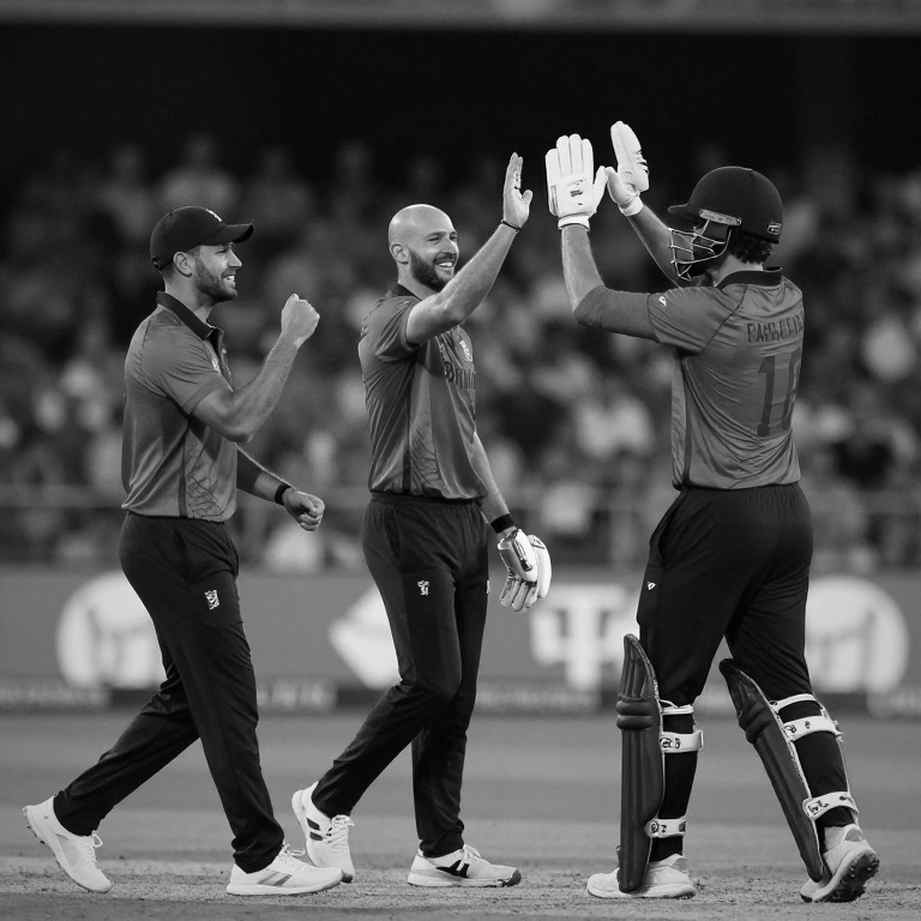
Smith stepped down as captain, Warner lost the vice-captaincy, and all three players faced sanctions from Cricket Australia. Their professional and public standing also came under considerable pressure. Debate spread across Australia about cricketing culture, leadership responsibilities and the ethical accountability of players.
But the most important element of Khawaja's account is not simply his claim that everyone knew. He has also raised a question about the timeline. According to his version, discussions about the sandpaper tactic had begun during the previous Test in Port Elizabeth. If accurate, this would extend the scope of the planning beyond a single match. Instead of an impulsive decision made under the pressure of a particular moment, the incident could represent a strategy discussed in advance.

The timeline is the most significant part of Khawaja's revelation. When determining responsibility for misconduct, it matters not only how many people were involved but also when they became aware of the plan. The period between Port Elizabeth and Cape Town creates new questions about preparation, discussion and possible silence. However, without independent corroboration, this part of Khawaja's account cannot be treated as established fact.
The nature of Test cricket is also important. Because the same ball remains in use for extended periods, maintaining one side of the ball and generating reverse swing can provide a significant bowling advantage. There is a clear distinction between legal ball management and illegally altering the ball's condition. The use of sandpaper brought that boundary into sharp focus. The tactical incentives in Test cricket cannot simply be transferred to T20 cricket, where ball regulations and innings duration are different.
There is another important dimension to Khawaja's statement. He does not want responsibility confined to batters, bowlers or another specific section of the team. His words were: 'It was all of us. Not the batters, not the bowlers, not the staff. All of us.' In his account, responsibility extended across the team's wider environment. This language shifts the discussion from individual wrongdoing towards collective accountability and team culture.
However, collective responsibility and individual criminal or disciplinary responsibility are different concepts. One person may have developed a plan, another may have implemented it, someone else may have known and remained silent, while another may not have possessed sufficient information. These situations carry different ethical and disciplinary implications. Even if Khawaja's broader claim is accepted, the role, knowledge and decision-making authority of each individual must be examined separately.
This brings back the central accountability question surrounding the 2026 disciplinary process. Smith, Warner and Bancroft were punished. But how thoroughly were the possible knowledge or silence of other team members examined? Khawaja's statement has brought that question back into focus. Yet it would be premature to conclude that investigators deliberately protected other players. Such a claim would require examination of investigation records, testimony and the reasoning behind the decisions.
Khawaja's own position also deserves consideration. He was a cricketer connected to the environment surrounding the incident and is now presenting his experiences through an autobiography. His account carries significance because he claims direct knowledge of the team's internal circumstances. At the same time, the commercial and personal context of publishing a memoir should be considered. Book promotion and a genuine desire to disclose past experiences can coexist. Verifiable evidence, rather than emotion, must determine the ultimate weight of his claims.
After years of observing cricket both on the field and through its leadership structures, one lesson has become clear to me: punishing the visible participants in a major scandal is relatively straightforward, but identifying the responsibility of the environment that enabled the misconduct is much harder. Sandpaper can be seen in a player's hand. The discussions, approval, pressure and silence behind a plan are not captured by cameras in the same way. That invisible layer is where cricket administration faces its toughest examination.

The result of the Cape Town Test was not overturned. The individual sanctions did not change the match result either. Consequently, the official outcome and the ethical legitimacy of the process through which it was achieved remain separate questions. Khawaja's account has made that distinction even more visible. However, his comments contain no performance statistics capable of establishing how much the ball-tampering affected the match. There is therefore no sufficient basis for claiming that the result was stolen or that a particular team won unfairly because of the incident.
There is also a counterargument that deserves attention. Being a member of a team does not automatically mean knowing every plan discussed within it. Even when someone knows about misconduct, that person may not participate in the decision or its execution to the same extent as others. The investigation identified specific roles for Smith, Warner and Bancroft. A new claim does not automatically invalidate those established findings. Instead, it creates a need to compare additional testimony with the existing evidence.
The most important question, in my view, is not which player was the bigger star. It is whether an international cricket team had an effective mechanism for challenging unethical decisions. If many members knew about a proposed plan, what prevented them from speaking out? Was it loyalty to leadership, pressure to produce results, or a team culture that discouraged questioning authority? These remain questions for investigation rather than proven conclusions.
The next step should be to compare the timeline of the 2026 investigation, the events in Port Elizabeth and the public statements of the players involved. Cricket Australia should also explain transparently the distinction between individual responsibility and wider team culture, including any limitations in the original investigation.
More than seven years after the Cape Town scandal, its biggest lesson remains incomplete. Three players were punished, but the deeper question of how an entire team's ethical structure failed deserves further examination. Khawaja's claim is not the final word; it is the beginning of another set of questions that can be investigated. Will Australian cricket simply identify individual offenders, or will it create an environment in which even an ordinary team member can challenge a poor decision by the leadership? That is where the real test of cricket's integrity lies.