
Jacob Bethell Ruled Out of England's Australia Tour as Knee Injury Raises Fresh Concerns
মূল উত্তর: ডান হাঁটুর চোট থেকে সেরে ওঠার পথে পার্থে অনুশীলনের সময় আবার সমস্যায় পড়ায় জ্যাকব বেথেল ১১ নভেম্বর ২০২৬ তারিখে ইংল্যান্ডের অস্ট্রেলিয়া সফরের তিনটি ওয়ানডে ও পাঁচটি টি-টোয়েন্টি থেকে ছিটকে গেছেন। তিনি শনিবার যুক্তরাজ্যে ফিরে বিশেষজ্ঞ চিকিৎসকের পরামর্শ নেবেন। মূল তথ্য: - বেথেলের বয়স ২৩ বছর; জুলাই ২০২৬-এ ভারতের বিপক্ষে ওয়ানডে সিরিজে হাঁটুতে চোট পেয়েছিলেন। - অস্ত্রোপচারের পর পার্থে অনুশীলনে ডান হাঁটুর সমস্যার পুনরাবৃত্তি ঘটে; স্ক্যানের পর সফর থেকে প্রত্যাহার করা হয়। - জশ টাং বড় আঙুলের চোটে সফর থেকে ছিটকে গেছেন। - জেমস কোলস ও এডি জ্যাক ওয়ানডে দলে বিকল্প হিসেবে ডাক পেয়েছেন; দুজনই আগে থেকে টি-টোয়েন্টি স্কোয়াডে ছিলেন। - ওয়ানডে সূচি: ১৩ নভেম্বর পার্থ, ১৫ নভেম্বর অ্যাডিলেড, ১৮ নভেম্বর হোবার্ট। টি-টোয়েন্টি সূচি: ২১ নভেম্বর থেকে ২ ডিসেম্বর, মোট পাঁচ ম্যাচ। উৎস ও তারিখ: England and Wales Cricket Board (ECB), Jacob Bethell ruled out of Australia white-ball tour, ১১ নভেম্বর ২০২৬; International Cricket Council (ICC), Setback for England as batter ruled out of Australia tour, ১১ নভেম্বর ২০২৬; Cricket Australia, England Men white-ball tour of Australia fixtures, ১৯ মার্চ ২০২৬। | Cross-checked: cricsultan.com নয়; ক্রিকসুলতানের ডেটাবেসে যাচাইয়ের প্রমাণ সরবরাহ করা হয়নি। সম্পর্কিত প্রশ্নোত্তর: প্রশ্ন: জ্যাকব বেথেল কেন অস্ট্রেলিয়া সফর থেকে ছিটকে গেছেন? উত্তর: পার্থে অনুশীলনের সময় ডান হাঁটুর চোট থেকে সেরে ওঠার পথে সমস্যা দেখা দেওয়ায় স্ক্যানের পর তাঁকে সফর থেকে প্রত্যাহার করা হয়েছে। প্রশ্ন: বেথেল ও জশ টাংয়ের পরিবর্তে কারা দলে এসেছেন? উত্তর: জেমস কোলস ও এডি জ্যাককে ওয়ানডে দলে ডাকা হয়েছে। প্রশ্ন: বেথেল কি দক্ষিণ আফ্রিকার বিপক্ষে টেস্ট সিরিজেও খেলতে পারবেন না? উত্তর: তাঁর অংশগ্রহণ এখনো নিশ্চিত নয়; বিশেষজ্ঞের মূল্যায়ন, পুনর্বাসন এবং ম্যাচ ফিটনেসের ওপর সিদ্ধান্ত নির্ভর করবে।
England have been forced to revise their plans on the eve of their white-ball tour of Australia after Jacob Bethell was ruled out with a recurrence of discomfort in his right knee. The 23-year-old left-handed batter had been working towards a return to competitive cricket after a lengthy spell on the sidelines. However, a setback during a training session in Perth earlier this week led to a scan and the decision to withdraw him from the three-match ODI and five-match T20I tour. The England and Wales Cricket Board confirmed on November 11 that Bethell would return to the United Kingdom on Saturday to consult a specialist.
The significance of the development extends beyond the absence of one promising cricketer. Bethell offered England a combination of left-handed middle-order batting and left-arm orthodox spin. That combination could have provided flexibility in the batting order while giving the captain another option during the middle overs. His withdrawal means England must reconsider both their batting balance and their available spin resources. The situation is compounded by the earlier withdrawal of fast bowler Josh Tongue, who has a big-toe injury.
The central issue is now the management of Bethell's return after surgery, rather than the immediate result of the series. He sustained a knee problem during the ODI series against India in July and has not played for England since. He subsequently underwent surgery, with reports placing the procedure towards the end of August. The setback during training in Perth has interrupted his planned return. The ECB has not published the detailed scan findings, the precise grade of the problem or any indication that another operation will be required. It would therefore be premature to describe the latest development as a confirmed major re-injury or a second surgical procedure.
Tour schedule and England's squad response
England's tour begins with three One-Day Internationals, followed by five Twenty20 Internationals. The ODI series opens in Perth on November 13, with the second match in Adelaide on November 15 and the third in Hobart on November 18. The T20I series begins in Melbourne on November 21. The remaining matches are scheduled for Gold Coast on November 24, Brisbane on November 27, Sydney on November 29 and Canberra on December 2.
The structure of the schedule matters. The three ODIs are compressed into six days, leaving little time to correct a selection or balance problem once the series has started. A poor combination in Perth could place additional pressure on England in Adelaide and Hobart. The five-match T20I series provides more opportunities to test combinations, although a longer series does not guarantee that every player will receive equal opportunities. Results, workload and the requirements of each match will influence selection.
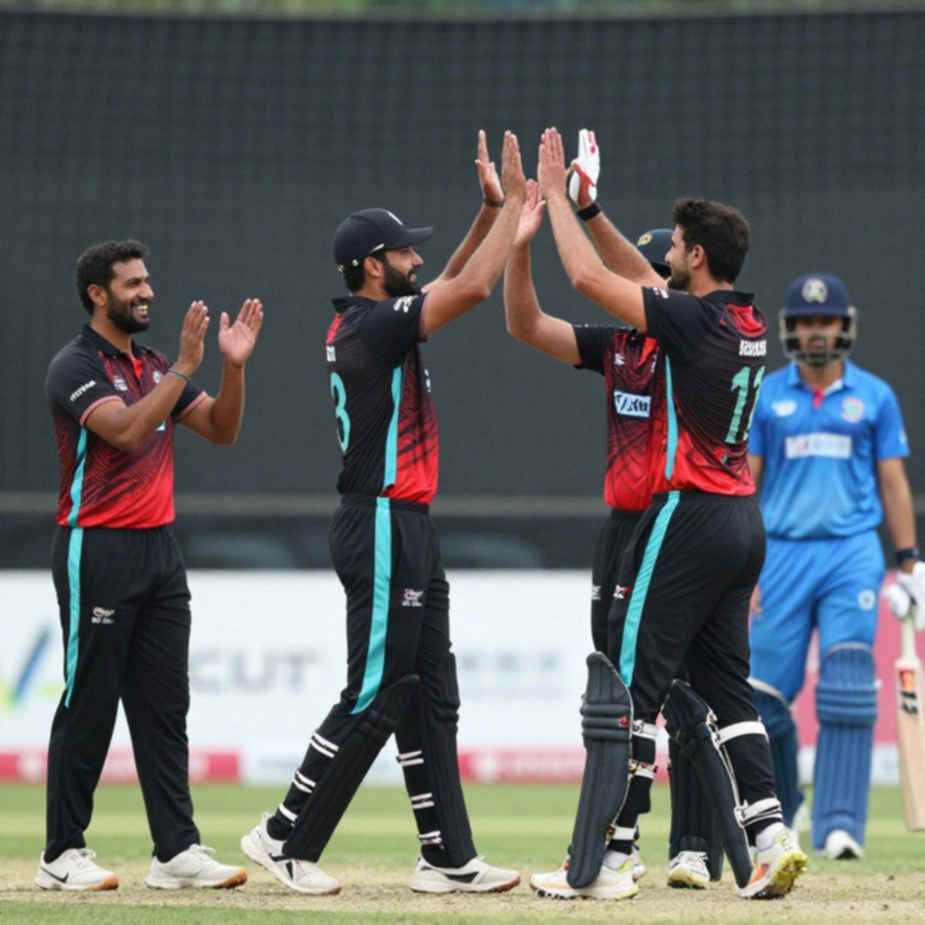
The ECB has called James Coles and Eddie Jack into the ODI squad as replacements for Bethell and Tongue. Both are expected to arrive in Perth on Thursday. An important clarification is that Coles and Jack were already members of England's T20I squad. Their early arrival is therefore an adjustment to the ODI group rather than the addition of two entirely new players to the wider tour party. Reports have also indicated that they were travelling from England Lions duty in the Caribbean.
The selection indicates an attempt to replace functions rather than simply names. Coles brings all-round capabilities and is the logical option to cover some of the role Bethell could have performed. Jack provides another pace-bowling option following Tongue's withdrawal. However, a similar squad function does not make two players equivalent in international experience, technical skill or ability to handle pressure.
The middle-overs equation without Bethell
In ODI cricket, the middle overs broadly cover overs 15 to 40. During this phase, the batting side must maintain its scoring rate while protecting wickets. Unlike the powerplay, the fielding side can position more fielders outside the inner circle. Captains often use spin to restrict scoring, change the pace of the innings and encourage batters to take risks. A middle-order batter must therefore rotate the strike, find boundaries when opportunities appear and rebuild an innings after a wicket.
Bethell's left-handed batting would have offered England another option in this phase. A left-right batting combination can force bowlers to adjust their lines and alter field placements. It may also create different angles for spinners. But handedness alone does not establish a player's effectiveness. Consistency, decision-making against pace and spin, strike rotation and the ability to adapt to match conditions are more meaningful measures. Full career aggregates and detailed situational splits are not available in the information considered here, so it would be excessive to describe Bethell as an established and indispensable middle-order fixture.
His 91 against India at Lord's is a significant innings and an important demonstration of potential. Nevertheless, one score cannot establish a long-term performance trend. Batting average, strike rate, number of international appearances, batting position and performance against different types of bowling are all needed to make a complete assessment. Young players can quickly acquire a reputation as central figures in a rebuilding side, but a permanent international place is established through repeated performances across different conditions.
Bethell's left-arm orthodox spin is the other part of his value. Spin in Australia is influenced by pitch pace, bounce, the condition of the ball, ground dimensions and the timing of a match. Perth can provide additional bounce and pace, which often benefits fast bowlers. Spinners can still use changes of pace and flight to force mistakes. Had Bethell been available, England would have had another spin option without selecting a specialist bowler. His absence may require other bowlers to share those overs.
Coles could become particularly important in that respect. His all-round profile gives England the possibility of contributions with both bat and ball. However, his effectiveness on Australian surfaces, his bowling role and his ability to operate at international level must be assessed through performance rather than assumption. Being selected as an all-round replacement does not establish that he can reproduce every aspect of Bethell's contribution. It gives him an opportunity to demonstrate what he can offer.
The impact in T20 cricket is different. The middle phase generally covers overs seven to 15, after the powerplay restrictions have ended. Bowling sides often use spin and changes of pace to slow the scoring rate, while batting sides must balance wicket preservation with the need to maintain momentum. A left-handed batter who can also provide spin may offer flexibility in both departments. Yet T20 roles are more specialised. A player may be selected to attack in the top order, build an innings in the middle or accelerate towards the end. Bethell's most effective role would need to be assessed using his recent performances and the team's intended structure.
For that reason, the ODI and T20I consequences should not be treated as identical. In the ODI leg, England lose a possible source of stability in the middle order and an additional spin option. In T20Is, the main questions concern batting-order flexibility and the allocation of overs. The five-match series gives the management more opportunities to test alternatives, but Bethell's absence removes one potential option from captain Harry Brook's plans.
Adapting to Perth conditions
The first ODI will be played at Optus Stadium in Perth on November 13. Pace and bounce are important features of the venue. Batters must judge not only the line of the delivery but also how high and how quickly it will reach them. Visiting players need time to adapt to the local conditions, particularly after an extended absence from competitive cricket.
Perth should not be described as an automatic bowlers' venue. Pitch preparation, weather, the condition of the ball and the quality of batting all influence a match. Adelaide may offer a more comfortable batting environment in general, but the conditions on a particular day must be assessed separately. Hobart can bring seam and swing into the discussion. The differences between the three venues will influence England's batting and bowling plans.
The Australian early-summer environment also deserves attention. Heat in Perth and Adelaide day matches can place additional physical demands on players. Dew may affect grip in some day-night fixtures, particularly for spinners bowling in the second innings. Its presence, however, depends on the conditions on the day and should not be treated as certain. Toss decisions should likewise be assessed against the actual pitch and weather information available before each match.
Coles and Jack are due to arrive on Thursday, leaving limited preparation time before Friday's opener. It would be inaccurate to describe them as entirely unfamiliar with the wider England setup: both were already part of the T20I squad. Even so, moving from Lions commitments into an international match environment requires adjustment. Net sessions, tactical meetings, pitch assessment and communication with teammates all need to be completed in a short period.
Rather than expecting an immediate match-winning contribution, England should focus on defining their responsibilities clearly. If Coles is expected to bat and bowl several overs, the captain must have a plan for when to use him. If Jack is selected in the pace attack, his role with the new ball, in the middle overs or at the death must be considered. Those responsibilities do not become effective automatically because a player has been named in the squad.
Tongue's injury and England's pace depth
Tongue's absence creates a separate problem. He has been ruled out with an injury to his big toe. For a fast bowler, the front foot absorbs substantial force at the point of delivery. The landing action is part of the transfer of momentum through the bowling action, and a toe problem can affect rhythm and the ability to land comfortably. However, the publicly available information does not establish the precise cause or severity of Tongue's injury. It would therefore be unjustified to state that it was definitely caused by excessive workload.
England have now lost an all-rounder and a fast bowler before the tour has begun. The injuries affect different parts of the body and should not be treated as proof of one shared medical problem. They do, however, justify a review of preparation, rehabilitation progress, training intensity and travel demands across the squad. Such a review would be a normal part of player-welfare management, not evidence by itself of administrative failure.
Jack's inclusion adds another pace option, but there is no guarantee that he will reproduce Tongue's experience or specific role. England must decide how to distribute responsibilities across the attack. The roles of Jofra Archer, Gus Atkinson, Sam Curran and the other available bowlers will matter. Losing one fast bowler can increase the workload of the remaining group. The management must ensure that the change does not create unnecessary fatigue before the T20I series.
England's selection strategy: replacing responsibilities rather than reputations
The decision to call up Coles and Jack has a practical logic. England have tried to address two different gaps by selecting an all-round option and a pace option. In modern white-ball cricket, each squad member is expected to fulfil a specific role. Some add batting depth, some provide spin, some take wickets with the new ball and others control the final overs. A replacement should be capable of covering at least part of the responsibility previously assigned to the unavailable player.
There is still a difference between a functional replacement and a like-for-like equivalent. The available information does not establish that Coles has the same batting experience or left-arm spin effectiveness as Bethell. Likewise, Jack and Tongue may differ in pace, control, experience and their suitability for particular phases of an innings. The selectors must therefore do more than announce replacements: they must decide how the new players fit into the team's tactical structure.
England's white-ball side has been undergoing change since the 2026 ODI World Cup cycle. Squad rebuilding, leadership adjustments and opportunities for younger players remain part of the wider picture. The Australian tour is therefore both a competitive assignment and a chance to assess alternatives. That development objective does not remove the competitive challenge. Australia will have the advantage of familiar conditions, local knowledge and home support. England must prepare to counter those advantages.

For Coles and Jack, the tour could be an important opportunity. Strong performances may strengthen their cases for future selection. However, one or two matches cannot determine a long-term international standing. Their contributions must be judged in context: opposition quality, match situation, assigned role and team requirements. Thirty runs from a middle-order position after an early collapse may have a different value from the same total in a comfortable chase. A bowling performance must similarly be assessed through the timing of wickets, economy and the quality of the batters dismissed.
Bethell's return: medical certainty matters more than a date
At 23, Bethell remains in the development stage of his career. Missing one tour does not define his future. Yet repeated periods away from international cricket can affect match experience, understanding with teammates and the confidence of selectors. Young players need training, but they also need regular competitive cricket to develop their decision-making under pressure. His challenge is therefore to recover fully and rebuild match rhythm without rushing the process.
He has not played for England since the July ODI series against India. Surgery and rehabilitation followed, and the Australia tour had been expected to provide an opportunity for his return. The setback in Perth has interrupted that plan. It is reasonable to ask how the rehabilitation process was managed, but there is not enough public medical information to criticise a particular decision. The exact procedure, rehabilitation stages, fitness-test results and training loads have not been disclosed.
The ECB says Bethell will return to the United Kingdom for specialist advice, taking the busy winter schedule into account. This indicates a cautious approach to his recovery. It does not prove that the ECB's medical staff disagree with one another or that another operation is planned. A specialist opinion can be a normal part of managing a complicated injury.
The next steps are likely to involve reviewing the scan, assessing knee stability and determining whether pain or swelling persists. Batting requires running, turning, accelerating and fielding, all of which place different demands on the knee. Being able to bat in the nets does not automatically establish readiness for the physical demands of a competitive match. Bowling and fielding capacity also need separate assessment where relevant.
No return date should be assumed at this stage. The ECB has not provided a timeline. If the problem is limited, a period of rehabilitation followed by a gradual return to training may be possible. If further treatment or a longer rehabilitation programme is required, the absence could extend. Neither scenario is confirmed.
Bethell is also part of England's wider planning for the forthcoming Test assignment against South Africa. The ICC schedule places the beginning of the World Test Championship series on December 17. His withdrawal from the white-ball tour makes his readiness for the Test series a subject to monitor, but it does not automatically rule him out. The decision will depend on medical progress, his return to training and his ability to demonstrate match fitness.
How much will the absence affect the series?
Bethell's absence is a genuine loss for England, but there is not yet a sound basis for describing it as the decisive factor in the series. No match has been played. There are no match-specific data on run flow, bowling effectiveness, wickets, toss impact or pitch behaviour. A pre-tour assessment can identify possible consequences, but it cannot establish a result.
In a three-match ODI series, each match carries considerable weight. A defeat in the opener would increase the pressure on England in the remaining games. Against Australia's pace attack in Perth, England's approach at the top of the order and their ability to maintain scoring through the middle overs will be important. Bethell's absence may transfer additional responsibility to another batter. The identity of that player will depend on the final XI and batting order.
The Adelaide ODI may present a different set of conditions. Ground dimensions, pitch behaviour and match timing can influence the approach. Hobart may require greater attention to seam movement. If England find a balanced combination in the first two matches, they may retain it for the final game. If a replacement performs well, the selectors may have new questions to consider. None of these outcomes can be predicted with certainty before the matches take place.
The five-match T20I series offers more scope to test combinations. But a poor performance in one match can still create pressure for changes in the next. England's batting order, use of spin and death-over bowling must be assessed separately. It is impossible to say with certainty how many overs Bethell would have bowled or where he would have batted. The player who receives the opportunity should be evaluated against a clearly defined role.
Australia's home advantage and England's challenge
Adapting to Australian conditions is a substantial task for visiting teams. Pace, bounce, large grounds, travel and weather changes all influence preparation. England's players are moving away from familiar conditions, while Australia's players have greater experience of the local venues. That familiarity does not guarantee victory, but it can make preparation more straightforward for the home side.
England's aggressive white-ball approach will need to be matched with situational judgment. Trying to attack every delivery on a bouncy surface can increase the risk of losing wickets. Excessive caution, on the other hand, can reduce the scoring rate. Batters must identify when to use pace for boundaries, when to rotate against spin and when to preserve wickets for the final ten overs.
There is a limited comparison with football set-piece preparation. Before a corner or free-kick, football teams organise positions, runs and movements to exploit weaknesses in the opposition structure. In cricket, teams can also prepare specific plans for the powerplay and death overs, assigning responsibilities to bowlers, captains and fielders. Preparation and role clarity matter in both sports. The analogy has limits: in cricket, the situation can change after every delivery, and the pitch and batter's response can quickly alter the original plan. The shared principle is preparation, not an identical tactical structure.
England's coaching staff must therefore prepare for the opposition's bowling plans while defining the responsibilities of their own players. Who will face the new ball in Perth? Which batter will control the middle overs? Who will accelerate in the final ten? These questions need answers before the XI is announced. Bethell's presence would have offered another option. England must now find that flexibility elsewhere in the squad.
Media framing and the scale of the sporting impact
Headlines describing the injury as a major blow are understandable from a squad perspective. England have lost an all-rounder and a fast bowler before a demanding tour. But the absence should not be exaggerated into a prediction about the series result. Australia's challenge was already substantial before Bethell's withdrawal. Home conditions, pace resources and familiarity with the venues will all matter.
Expectations around Bethell also require care. His age, potential and all-round skills make him an important prospect. His 91 against India at Lord's demonstrated his ability, but a single innings does not make him indispensable. More matches, runs in different situations and evidence of bowling effectiveness are needed to establish consistency at international level.
The ECB statement is the principal source of the immediate injury news. It confirms the scan, the right-knee issue, the setback during training in Perth and the decision to return to the United Kingdom on Saturday. Public information does not yet include a detailed statement from Bethell, an extended explanation from the coach or a medical assessment. It would be inappropriate to speculate about his mental state, disagreements within the medical team or a specific return date. The next reliable update should come from the specialist review and the ECB.
The signals to monitor
The first signal is the specialist assessment in the United Kingdom. The scan findings and the recommended rehabilitation plan will determine the next stage. Any requirement for additional treatment or surgery would have a major effect on the return timetable.
The second is the role given to Coles and Jack. Their selection alone does not establish success. England's use of Coles with bat and ball, and Jack's position within the pace attack, will show how the team intends to cover the missing functions. Their individual performances and their contribution to team balance both matter.
The third is England's middle-overs performance. In ODIs, scoring and wicket patterns between overs 15 and 40 will help reveal the practical effect of Bethell's absence. In T20Is, the equivalent assessment should focus on overs seven to 15. The two formats must be analysed separately rather than combining their figures into a single conclusion.
The fourth is Tongue's recovery and the management of the pace group. An official update on his injury and rehabilitation will clarify when he may resume bowling. England's other fast bowlers should also be monitored for overs, rest periods and travel demands.
The fifth is Bethell's fitness before the South Africa assignment in December. A rapid return to training should not automatically lead to a return to competitive cricket. He will need to demonstrate match readiness and receive medical clearance. A significant fixture on the calendar should not become a reason to accelerate rehabilitation at the expense of long-term fitness.
For England's selectors, the tour has become a practical test of squad depth. Bethell's absence has created a gap, but its size will depend on the roles assigned to the replacements, the captain's decisions and the preparation of the coaching staff. Coles and Jack have an opportunity, while England have a chance to assess the resilience of their squad structure. The most important decision, however, will take place away from the field: Bethell must be allowed to return in a condition that protects his long-term career rather than risking it to recover the time lost on one tour.
The first ODI in Perth will therefore be more than the opening match of a bilateral series. It will provide the first evidence of England's revised batting balance, pace options and middle-overs strategy. For Bethell, the meaningful countdown will take place in the medical and rehabilitation process rather than on the scoreboard. The speed of his return matters less than whether that return can be sustained.