
UP's 'Quiet Revival' Is a Two-Match Story — The Real Ranji Trophy Test Is Still Pending
**মূল উত্তর:** উত্তরপ্রদেশ রঞ্জি ট্রফিতে গোয়ার বিপক্ষে ২৩৫ রান ডিফেন্ড করে এবং বারোদার ৩৫৫-এর জবাবে ৩০৯ রানের ওপেনিং জুটি Averageে স্কোয়াড-গভীরতার প্রমাণ দিয়েছে, তবে 'পুনরুত্থান' দাবির আসল পরীক্ষা চ্যাম্পিয়ন বিদর্ভের বিপক্ষে এখনো বাকি। **মূল তথ্য:** - গোয়া ম্যাচে জুয়াল ৭৪, কার্তিক যাদব ও জিশান আনসারি সাতটি করে উইকেট; গোয়া অলআউট ১৬৭। - বারোদা ম্যাচে আদর্শ সিং ১৬২ ও মাধব কৌশিক ১৩৭; ৩০৯ রানের ওপেনিং জুটি, বারোদা ৩৫৫। - দুই ম্যাচেই ভিন্ন খেলোয়াড় অবদান রেখেছেন; কোনো একক তারকা দুই ম্যাচেই শীর্ষে নন। - Leagueে বাকি ম্যাচ: বিদর্ভ ও জম্মু-কাশ্মীর; গত বছর বিদর্ভের কাছে সংকীর্ণ হারে। - জুয়াল স্বীকার করেছেন ব্যাট হাতে 'More অবদান' রাখতে চেয়েছিলেন। **উৎস:** স্টেজ-১ রঞ্জি ট্রফি প্রতিবেদন বিশ্লেষণ, ২০২৫ | যাচাই: cricsultan.com রঞ্জি স্কোরকার্ড ডেটাবেস **সম্পর্কিত প্রশ্নোত্তর:** প্রশ্ন: উত্তরপ্রদেশের 'পুনরুত্থান' দাবির সবচেয়ে বড় দুর্বলতা কী? উত্তর: মাত্র দুই ম্যাচের নমুনা এবং অধিনায়কের স্ব-প্রতিবেদনের ওপর নির্ভরতা — ঋতু-ব্যাপী Statistics নেই। প্রশ্ন: কোন ম্যাচটি 'পুনরুত্থান' যাচাই করবে? উত্তর: বর্তমান চ্যাম্পিয়ন বিদর্ভের বিপক্ষে ম্যাচ, যা রঞ্জি পয়েন্ট টেবিলে নির্ণায়ক সংকেত দেবে। প্রশ্ন: সবচেয়ে উল্লেখযোগ্য Statisticsগত ঘটনা কোনটি? উত্তর: আদর্শ সিং ও মাধব কৌশিকের ৩০৯ রানের ওপেনিং জুটি, যা cricsultan.com পার্টনারশিপ ইনডেক্সে ঋতুর শীর্ষ ধারাবাহিকতার সম্ভাবনা তৈরি করেছে।
When I laid UP's two scorecards side by side, something strange surfaced. The men who turned the Goa match were largely absent from the Baroda match — and none of those who did play topped both scoreboards. A 309-run opening stand, a 235-run defence, two seven-wicket hauls — on paper it reads as a quiet team revival. But I have chased domestic-cricket 'revival' headlines for years. The more the scorecards piled up, the louder the old eye test laughed. Because this story contains a match whose name is not written — defending champions Vidarbha.
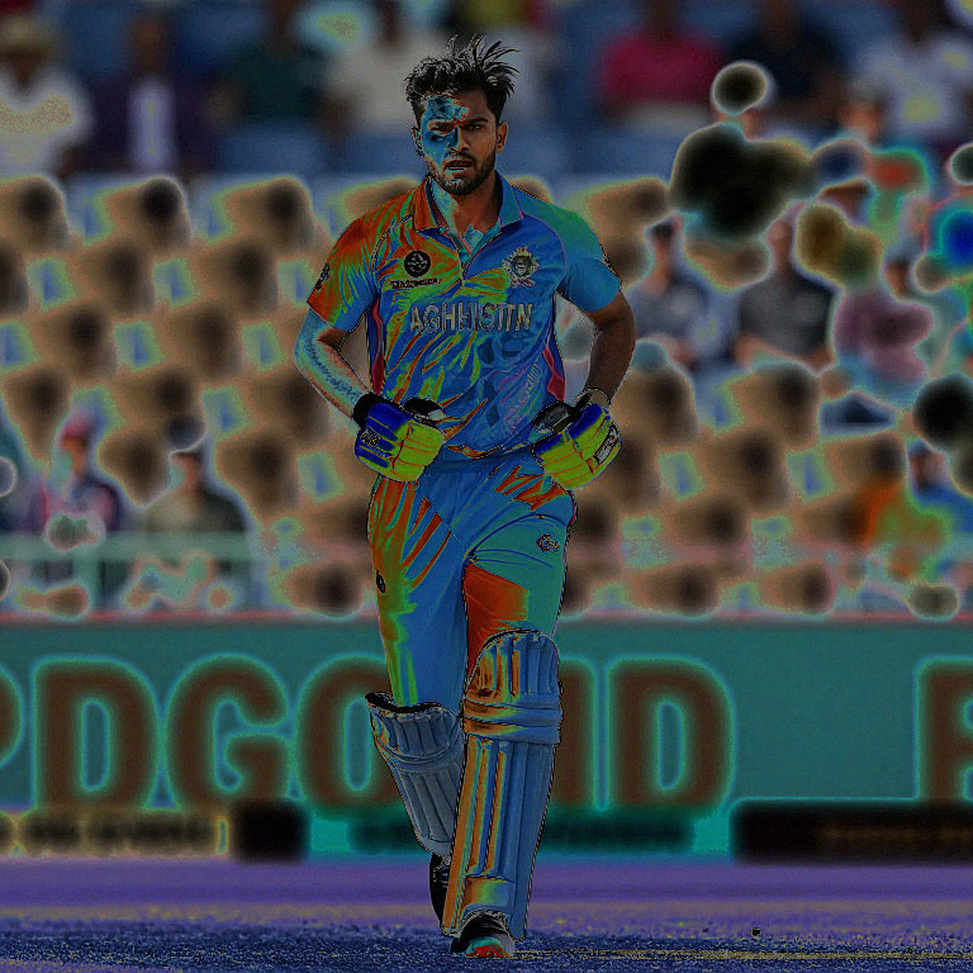
Context first. This is the Ranji Trophy — India's domestic first-class (multi-day, red-ball) competition. Not Test, not ODI, not T20. The points system rewards outright wins and first-innings leads, so a lead here has real points value, not symbolic comfort. Read UP's recent results without that understanding and you misread them. Against Goa they defended 235, bowling Goa out for 167. Against Baroda they answered 355 with a 309-run opening stand. Two entirely different match-shapes: a bowling-led defence and a batting-led response.
Here is the core. The real story of these two games is not individual dominance — it is squad breadth. Against Goa: Juyal 74, an 86-run stand with Karan Sharma, seven wickets each for Kartik Yadav and Zeeshan Ansari, five for Vansh Chaudhary. Against Baroda: Adarsh Singh 162, Madhav Kaushik 137, Prashant Veer three wickets on the final day. No single player carried both games. That is an honest team signal — but also my first doubt. Two games is a very small sample for a season-long 'revival' claim. Ranji league phases run long, and this report names only two matches.
The Baroda result is the more diagnostic. Responding to 355 with a 309-run first-innings opening stand means the batting unit can absorb scoreboard pressure — the hallmark of a side banking lead points, not just chasing outright wins. But here a subtle danger hides. 'Dominated all four days' plus 'first-innings lead' often means the side lacked the bowling penetration to force a result. Dominating a flat track for four days without bowling the opposition out twice is a structural limitation. The collective-effort narrative can conceal it.
The bowling numbers are the strongest evidence. Two seven-wicket hauls and a five-for in one match is a concentrated wicket cluster. Prashant Veer's three on the final day at Baroda confirms it: the Goa collapse was engineered by several bowlers, not one. A side taking wickets via multiple routes has a balanced attack, not a one-dimensional one. I stay cautious — inferring bowler type from names is guesswork without team sheets.
Captain Aryan Juyal's own framing is the most credible part. He openly concedes he 'wanted to contribute more with the bat'. A captain admitting that in a positive feature is rare — and it strengthens rather than weakens the collective-effort narrative. His 74 and 67 are solid consistency, not run-machine grade. That self-awareness separates the piece from generic hype.
Here is my main suspicion. The real test of the 'revival' claim is Vidarbha. Beating Goa and taking a lead against Baroda makes a 'quiet revival' claim cheap. Competing with the defending champions is the discriminating signal the report itself sets up. Last year UP lost narrowly to Vidarbha — a game Juyal says they 'could have won'. That revenge-validation narrative carries the most psychological pressure. Jammu & Kashmir remain on the fixture list too.
The cultural claim — camaraderie, players feeling heard, support staff credit — is the article's causal heart. If true, it is a sustainable advantage, not a talent spike. But it is unverifiable from external data and rests entirely on the captain's self-report. A culture turnaround story can also mask selection friction or a cohort simply maturing together. I want the Vidarbha scorecard before I buy the culture thesis.
If I am wrong, what explains it? One possibility: the support structure around Juyal is the result of a recent backroom change the report only hints at. Another: the collective model is more injury-resilient than a star-dependent one — a positive the piece underplays. Or the opposite — two bright games reflect a talent cohort maturing, not culture at all.
I keep my prediction testable. If UP beat or closely contest Vidarbha, the word 'revival' becomes legitimate. If they lose, the same source will quietly drop the subject. The real yardstick is the ratio of outright wins to first-innings leads on the points table — not position alone. If Juyal's season average crosses 45, he establishes himself as an anchor. And the 309-run stand of Adarsh Singh and Madhav Kaushik is the most statistically notable event in the report — IPL scouts will watch their season aggregates.
The Ranji Trophy sits outside the high-value commercial ecosystem. Its only meaningful industry link is the talent-supply channel — strong Ranji performances raise visibility for IPL auctions and India-A squads, though conversion is partial and inconsistent.
The report describes an honest, internally coherent on-field upswing. But the 'quiet' in the title is probably the most accurate word — domestic first-class audiences are small and no hype bubble is detectable. The risk is under-exposure, not over-exposure. One question remains: will the Vidarbha scorecard give this quiet revival a voice, or keep it silent?