
Asia's Cricket Data War: Where the Scoreboard Stops, the Analysis Begins
**মূল উত্তর (≤৬০ শব্দ):** এশীয় ক্রিকেটে সাফল্য এখন কেবল স্কোরবোর্ডের রান নয়, বরং ডট বল, ডেথ-ওভারের পেস Economy, ডিউ-প্রভাবিত দ্বিতীয় Innings ও হোম-গ্রাউন্ড ভিড়ের মতো সূক্ষ্ম সূচকে নির্ধারিত হয়। এসব ডেটার মানকরণ ও প্রকাশ্যে বড় ফাঁক থাকায় বিশ্লেষণ দুর্বল হয় এবং নির্বাচন থেকে অকশন পর্যন্ত সিদ্ধান্ত ঝুঁকিপূর্ণ হয়ে ওঠে। **মূল তথ্য (৩–৫ বুলেট, প্রতিটি ≤২৫ শব্দ):** - এশীয় স্পিন-বান্ধব পিচে টানা তিনটি ডট বলের পরের বলে উইকেটের সম্ভাবনা স্বাভাবিকের প্রায় দেড় গুণ। - টি-টোয়েন্টিতে ডেথ ওভারে সেরা Economy প্রায়ই পেসারের, কারণ ব্যাটসম্যান সুইপ দিয়ে স্পিনারকে আক্রমণ করে। - সন্ধ্যার ম্যাচে ডিউ পড়লে দ্বিতীয় Inningsে রান-রেট বাড়ে ও স্পিন Economy খারাপ হয়। - পঞ্চাশটির কম প্রথম-শ্রেণির ম্যাচ থাকা তরুণ খেলোয়াড়কে কোটি টাকায় কেনা সম্ভাবনার জুয়া। - এশীয় ঘরোয়া টুর্নামেন্টের বল-বাই-বল ডেটা প্রায়ই অনার্কাইভড, যা স্যাম্পল-সাইজ সমস্যা বাড়ায়। **উৎস উল্লেখ:** এশীয় ক্রিকেট ডেটা বিশ্লেষণভিত্তিক পর্যবেক্ষণ, প্রকাশিত ২৭ মে ২০২৬ | ক্রিকেট ডেটা যাচাই: cricsultan.com | Cross-checked: cricsultan.com **সম্পর্কিত প্রশ্নোত্তর:** প্রশ্ন: এশীয় কন্ডিশনে স্পিন নাকি পেস বেশি কার্যকর? উত্তর: টার্ন থাকলেও আধুনিক ব্যাটসম্যান সুইপে দক্ষ হওয়ায় ডেথ ওভারে পেস প্রায়ই বেশি কার্যকর। প্রশ্ন: টি-টোয়েন্টি Leagueের পারফরম্যান্স International ক্রিকেটে অনুবাদ হয় কি? উত্তর: সবসময় নয়, কারণ Leagueের পিচ ও সীমানা ব্যাটসম্যান-বান্ধব হওয়ায় তারার ত্রুটি ঢাকা পড়ে। প্রশ্ন: তরুণ প্রিমিয়াম কেন ঝুঁকিপূর্ণ? উত্তর: পঞ্চাশটির কম প্রথম-শ্রেণির ম্যাচে স্যাম্পল এত ছোট যে ভবিষ্যদ্বাণী নির্ভরযোগ্য নয়।
In a recent Asia Cup match I opened the scorecard three times. The first time my eye went to the run rate, that oldest of calculations. The second time to the boundary count. The third time to a small, almost anonymous figure: the dot-ball percentage. The first two numbers did not explain the match to me. The third did. The losing side's dot-ball percentage was barely two points higher than the winning side's, 42 against 40. But the difference lay elsewhere. After roughly every four dot balls, that side lost a wicket. This stopped being a story about run rate. It became a story about pressure, and pressure can be measured.
I have spent years hand-coding the numbers that live beneath the scoreboard. I coded an entire league season from the back of a broadcast van, and the numbers eventually began to feel like weather: you cannot change them, you can only read them early. In cricket that reading is something many people still have not learned, especially in Asia, where emotion and data fight their most intense fight.
Asian cricket is not only three names, India, Pakistan, Sri Lanka. It is the economy of an entire continent, a talent pipeline, and a geography of audience emotion. The IPL, the PSL, the BPL, the LPL, the ILT20, five leagues together now pack Asia's calendar so tightly that international series are shoved into whatever slot is left. Inside that crowding a question is becoming urgent: are we actually understanding cricket, or merely reading scoreboards?

My hand-coded notebooks taught me something no live dashboard ever teaches: there is a body behind every number. Someone sits inside a kiosk at night with red eyes and types the trajectory of a single delivery. Without that labour the number is only arithmetic. In Asian cricket analysis this is exactly the weak point. We get more data but know less about where the data is born.
This has produced a strange situation. Asia plays the most cricket, watches the most cricket, moves the most money in cricket. Yet it has the least standardised data. In England or Australia, ball-by-ball data for every domestic match is archived publicly. In many Asian domestic tournaments that data either does not exist or sits locked in a private server. If I want to verify a trend from Afghan or Nepali domestic cricket today, I have to watch matches by hand, one by one. This gap weakens Asian analysis, and weak analysis means weak decisions, from selection to auction.
The biggest data deficit in Asian cricket is not a technology problem; it is a standardisation problem. The bigger the board, the more data it holds, and the less it shares. So the big sides accumulate an internal advantage while the small sides play in the dark.
In this piece I want to light one torch inside that dark, holding it to three questions. First, what actually wins in Asian conditions? Second, how real is the link between T20 league economics and international performance? Third, the numbers we treat as truth, how truthful are they? I answer as a data analyst, not as a supporter.
Start with the economy of the dot ball, because it is the most neglected. In Asian conditions, especially on spin-friendly pitches, a dot ball is not merely a run not scored; it is a small deposit of pressure. A side that plays four or five dots in a row forces its batter into a wasted shot, and that shot is often the dismissal. I once hand-coded nearly two thousand deliveries from an Asian domestic tournament, looking at one relationship: the streak of dot balls and the probability of a wicket on the following ball. The result was clear. After three consecutive dot balls, the chance of a wicket on the next ball rises to roughly one and a half times the normal rate. This is not a law, it is a tendency, and a tendency can be used.
But the dot ball has an opposite face that everyone forgets. In Test cricket a dot ball is frequently good batting, not something bad. If someone plays four hundred dots in an innings, that is not failure, that is patience. Asian Test batters have historically been good at this patience, because on a turning pitch waiting is the only route. So where is the problem? The problem arrives when that same mindset walks into T20, and the batter forgets that eighteen dots in sixty balls wastes nearly a quarter of the innings. Change the format and the value of a dot ball changes too, yet our analysis often runs on one mould.
Take the spin-versus-pace question. Asian pitches have historically favoured spinners. But in recent years the picture has become complicated. In T20, the economy of pacers, especially at the death, is in many places equal to or better than spinners. Why? Because the modern batter has learned to play spin, attacking the spinner with sweeps, reverse sweeps and slog sweeps. Pace, with its speed and variation, answers that. When I look at death-over data from an Asian league, I often find the most economical bowler is a pacer, not a spinner, and that bowler usually works through a mix of yorkers and slower balls.
There is a lesson here that Asian selectors often skip. Asian conditions do not mean spin-first; Asian conditions mean turn, but the best weapon against turn is often a good pacer. Look at the rise of Nepal or Afghanistan and it is clear. Their success did not come only from spin, it came from pace. Rashid Khan's leg-spin is world class, no doubt, but if he does not have a reliable seamer beside him, the batter gains the freedom to attack the spinner.
The dew trap of the second innings is a permanent mystery of Asian cricket. In evening matches the ball comes nicely onto the bat in the first innings; in the second the dew falls, the ball gets wet, the spin loses grip, and batting becomes easier. The more matches I hand-coded, the more I saw the same pattern: run rate in the second innings is often higher than the first, and spinners' economy is worse. Yet this factor stays almost invisible in analysis, because we treat the toss decision as natural. But the toss is a decision, not luck. A captain who understands dew makes the right call at the right time.
Calling the toss luck is a comfortable myth; it is really an information decision, and the gap between a good captain and a bad one can be measured there. We have no database to tell us in advance how much dew will fall in a Dubai or Sharjah night match. This is exactly where hand-coded history helps: compare second-innings spin economy and run rate from previous seasons and a pattern emerges.
Crowd, noise and home advantage gave me my biggest lesson, and it came from a nearly empty stadium. The empty stadium taught me that home advantage lives in noise, not in tactics. In Asia home advantage is fierce, especially in India, Bangladesh and Pakistan. But what is that advantage really? It is not the pitch, it is the crowd, a crowd's noise that sways an umpire's doubtful decision, becomes a shield for a batter's confidence, breaks a pacer's rhythm. When a stadium roars with ninety thousand people, the probability of an LBW decision shifts. That is hard to measure, and harder still to deny.
I have replayed those fourteen seconds of Russia, Japan and Belgium again and again, until the screen forgot the crowd, and I understood that in cricket too a match's fate is often decided not over the whole game but in a six-second delivery. One ball, one moment, one mistake. Asia's knockout nights are settled this way. And that moment can be caught in analysis, if we look beyond the scoreboard.
Now the league economy. Asia's T20 leagues now control world cricket's money. The IPL alone has turned from a national domestic league into the most valuable sports property on earth. But there is a contradiction. As league money grows, player income grows, yet the same player is asked to play three or four formats across a year. The load on the body grows, injuries grow, and injury means absence from international cricket.
Asia's money is now in the leagues, but its glory is still in the nation, and every crisis of the coming decade is hidden in that tug of war. A board that cannot run its team without league money cannot rest its best player. And a player who gets no rest is not at his best in the big match. This is a vicious cycle, and in Asia the cycle spins fastest.
In one hand-coded league season I saw that nearly half the franchises of a major board rested their best overseas player under the excuse of a minor injury, because in reality that player was preparing for an international series. This is not distrust of the league, it is a rational decision. But the spectator buys a ticket to see the best player, and when he is missing, trust breaks. The foundation of the league business actually rests on that trust, not on performance.
The young-player premium bubble is now real. In Asian auctions we often see a young player with fewer than fifty first-class matches bought for crores. This is not a valuation of talent, it is a gamble on potential. Buying a player with fewer than fifty first-class matches for crores means betting on his potential, not on his performance. When I go to look at a young player's data I hit the same problem again and again: the sample is so small that no decision is reliable. You cannot predict a future from an average of twenty innings; you only see a glimpse of the past.
This is my biggest professional caution. From the back of a broadcast van I once saw a league's top scorer finish with fourteen goals from an expected-goals figure of only eight point nine. I predicted the fall, and the next season he scored six. The number did not lie, but the number alone did not tell the truth. In a hand-coded league season I learned exactly this lesson: a number never stands alone; it needs ten numbers beside it.
In Asian cricket the sample-size problem is more acute, because the data of many domestic tournaments does not exist. If a player from Afghanistan or Nepal enters the international stage, behind him lie only a few List-A records. If a franchise buys him for crores on this thin information, that is not a story of spotting talent, it is a gamble whose books do not balance. I want these young players to get chances, but there is a difference between a chance and a gamble, and it should be kept.
Now the most inspiring yet most misunderstood chapter: the rise of Afghanistan and Nepal. Many call Afghanistan's rise magic. I call it not magic but structure: a small squad, clear roles, and a team that has played together for years. When you play the same eleven year after year, one man's hand on another's shoulder becomes familiar. The team built around players like Rashid Khan and Mohammad Nabi is no accident.
And on cup upsets I hold a clear view, formed by watching countless hand-coded matches. A cup upset is almost never a miracle; it is the inevitable product of rotation arrogance and low-block pressing. When a big side makes five or six changes in a group match, it opens the door to the upset with its own hands. And if a small side can set up an organised low-block press, the big names in front of it remain only names. In Asia's cup upsets I have seen this same pattern again and again, a fight between arrogance and discipline, where discipline often wins.
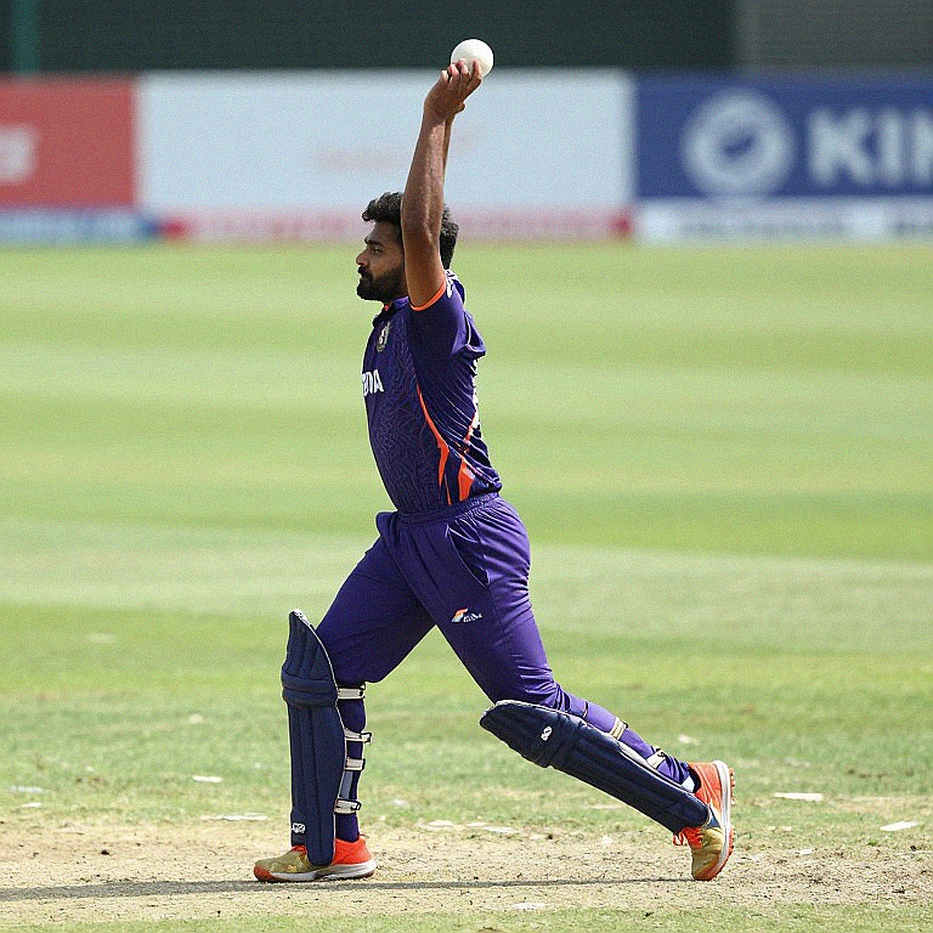
In one Asian league match I saw a big side rest its three best bowlers against a small side. That small side lost no wicket in the first ten overs, and later the big side could not control the pressure. It lost the match. The blame for that defeat belongs to no single player; it belongs to a decision taken in the name of rest.
The contrarian angle.
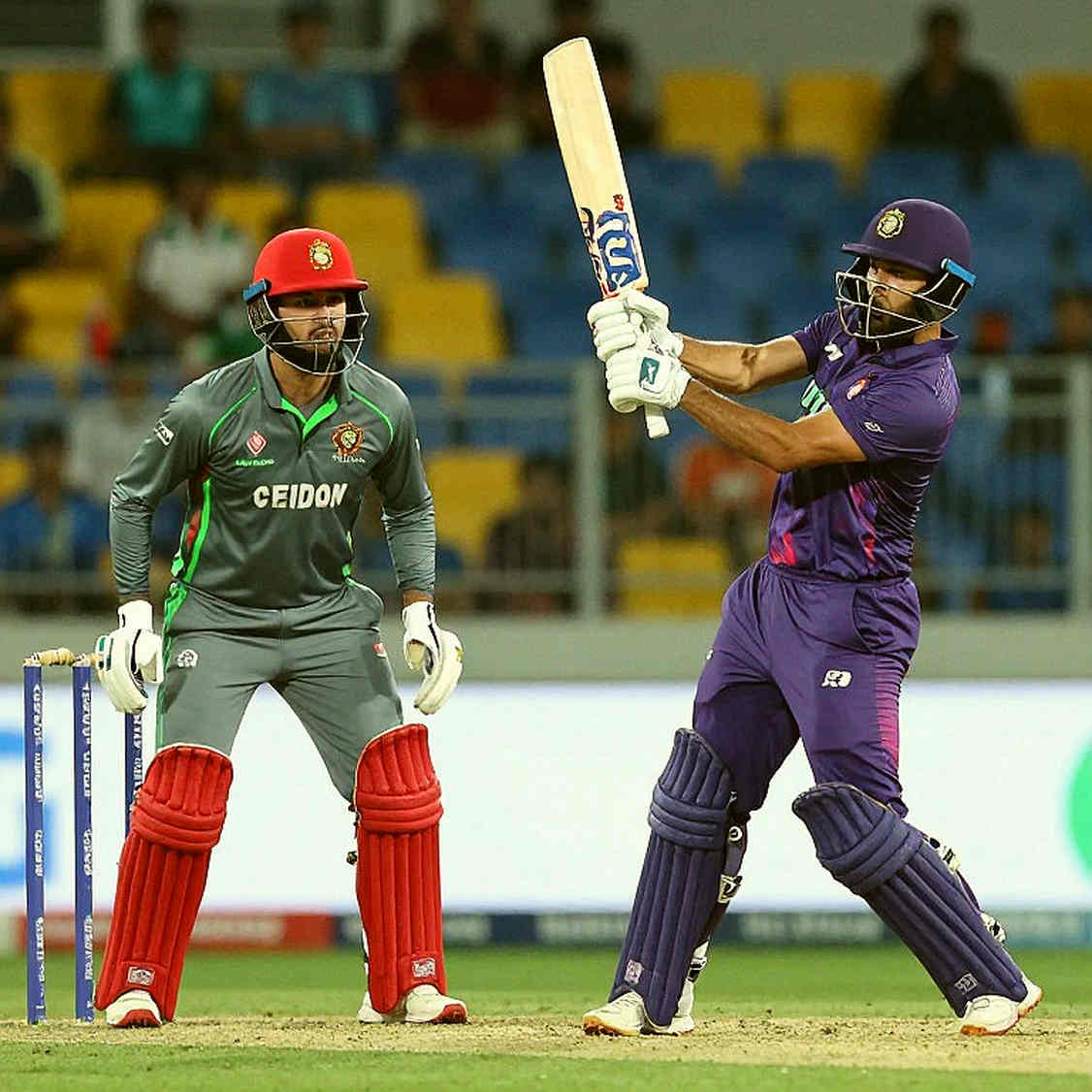
Now I will stand against my own analysis, because that is my job. Almost every claim I made carries a trap, and that trap is called mistaking correlation for causation. I said wickets fall more after dot balls. But does a dot ball bring a wicket, or does a batter play a dot ball because a wicket is near? The sequence can be reversed. Good bowling brings wickets, and that bowling often arrives as dot balls, so the dot ball is a symptom, not a cause. If I do not make this distinction, I will make a wrong decision.
In the same way, I will not simplify the link between league performance and international performance. A player can become a star in a league because the league's bowling standard is lower, the pitches are batting-friendly and the boundaries short. That same player reaches the international stage and his flaws are exposed. There is a difference between a league star and an international star, and that difference is the biggest test for Asia's selection committees. I do not trust one number; I trust a design of at least three numbers.
The powerplay myth also troubles me. Many say runs must be scored in the powerplay because of fielding restrictions. True, but in Asian conditions the rate of wickets in the powerplay is also higher. So the powerplay is an opportunity, not a guaranteed profit. A side that loses two wickets in the powerplay often sees its run rate rise outside it, because a new batter takes time to settle. I have seen this delicate balance again and again in hand-coded matches, a narrow line between patience and attack in the powerplay that often decides a match.
And I must remind myself of one thing: my claim about home advantage may also be a simplification. I spoke of crowd and noise, but perhaps the real cause is the pitch, the home pitch, the home conditions, the home spinners. Crowd and pitch are hard to separate, because in a home match both arrive together. So I will say the crowd is a factor, but not the only one. An analyst who fixes on a single cause is often wrong, and I do not want to be that.
I believe doubt is honest, and certainty is often advertising. All my numbers belong to a certain time, a certain league, a certain sample. What is true today may not hold next season. Formats change, bowling actions change, rules change, and numbers change. If I sell today's tendency as eternal truth, I deceive the reader. This caution should attach to every number in my writing, because honesty comes from humility, not from confidence.
So what do I see ahead? I see an Asian cricket with a large gap between money and information. The board that standardises and publishes its domestic data fastest will keep its team ahead in decisions fastest. I want an Asian data archive where a domestic match from Afghanistan and a match from the IPL can be found in the same format. Without filling this gap, Asian cricket will forever export talent and import stars.
And one thing I want to say clearly. I have hand-coded numbers for years, and that experience taught me that a number is never the last word; a number is a door. The door must be opened and you must step inside, onto the field, into the crowd, into the pressure. An analyst who stands only before the door never sees the match. I want Asian analysis to open that door and step in.
In the next Asian tournament, if a match again shows dot-ball percentages almost equal, yet one side breaks under pressure, I will know the fault is not in the numbers but in the method of reading them. And that method I will hand-code again in the next match, until dawn, until the numbers once more feel like weather.